What Is Lei Day? Understanding One of Hawaiʻi’s Most Beloved Cultural Celebrations
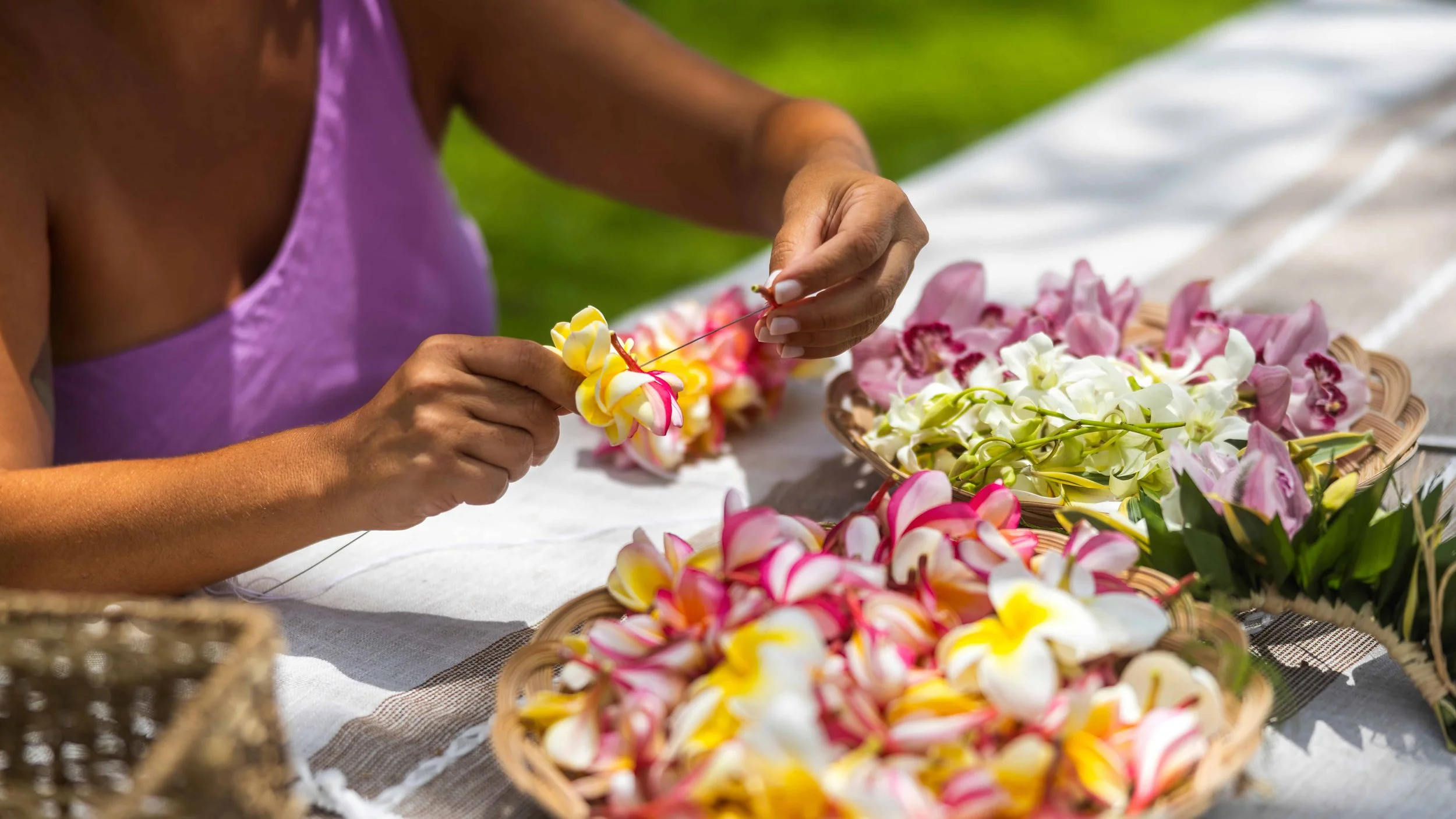
Photo from Maui Ocean Center
If you find yourself in Hawai’i on May 1, you may notice something different.
School courtyards fill with the sound of Hawaiian music as families gather to watch children perform Hula they've spent weeks preparing. Freshly woven leis are exchanged between friends, grandparents, graduates, and loved ones. Parks and cultural centers come alive with live music, Hula, and demonstrations by skilled lei makers whose craft has been passed from one generation to the next.
To a visitor, it might look like a festival celebrating flowers.
But ask someone who grew up in Hawai’i, and they'll likely tell you that Lei Day is really about people.
Every lei carries a story. Every gift strengthens a relationship. Every celebration is a reminder that community is built through acts of kindness, generosity, and Aloha.
Held every year on May 1, Lei Day honors the traditions that continue to connect Hawaiʻi's people, culture, and the natural world. While the holiday is centered around the art of lei making, its deeper purpose is celebrating the relationships that bind families, neighbors, and communities together.
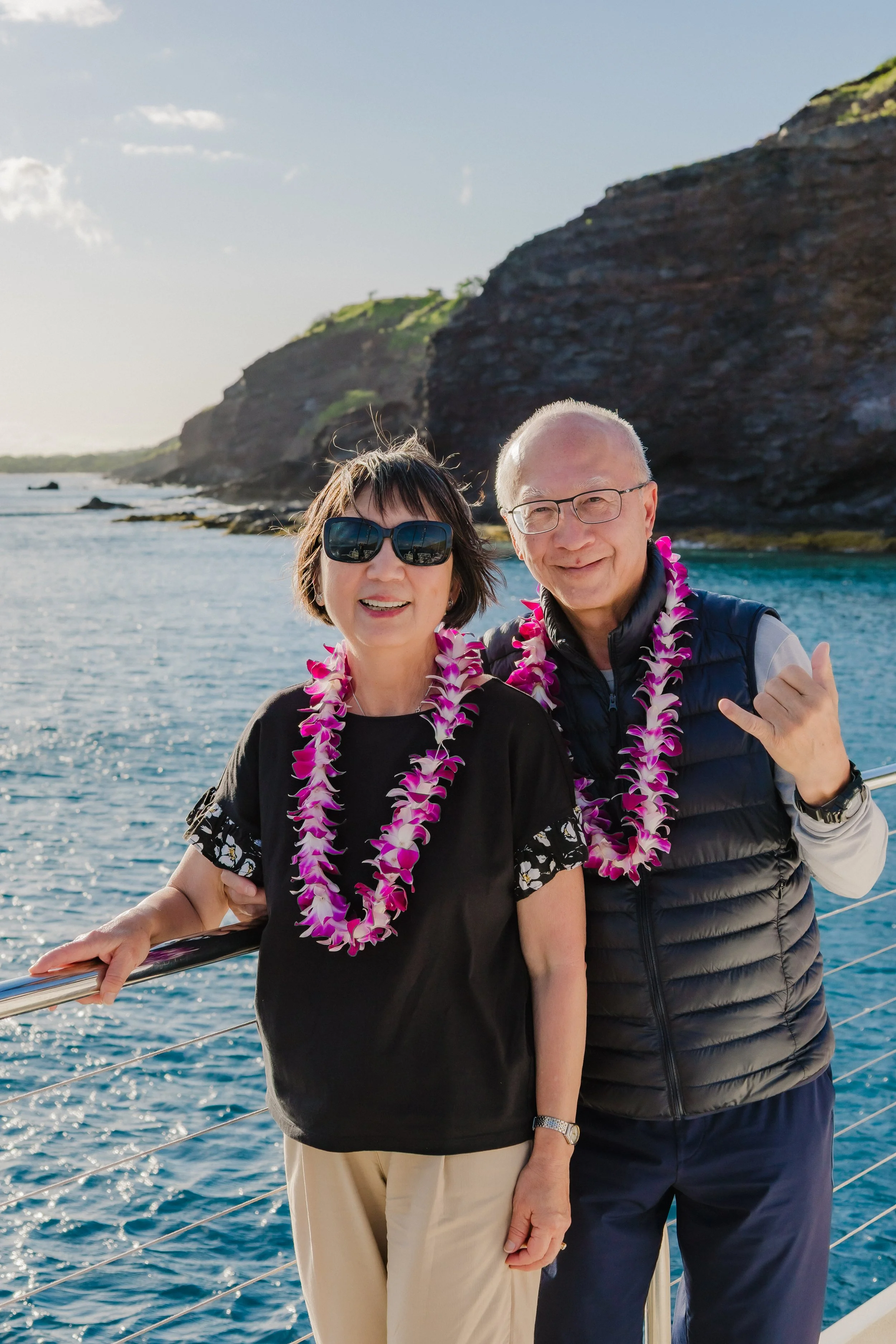
More Than a flowers: What a Lei Represents
It's easy to see a lei as simply a beautiful garland of flowers.
In Hawaiian culture, however, a lei is something much more meaningful.
For generations, lei has been given to celebrate life's milestones, welcome loved ones home, honor accomplishments, express gratitude, offer comfort during times of loss, and strengthen relationships. A lei is not measured by the value of the flowers used to make it but by the intention behind the gift.
Traditionally, leis have been woven from many natural materials—not only flowers, but also leaves, vines, shells, seeds, feathers, kukui nuts, and native plants. Every material tells its own story, and every lei reflects the care of the person who created it.
Many Hawaiian cultural practitioners describe a handmade lei as carrying the Mana, or spiritual energy, of its maker. Gathering each flower, weaving every strand, and choosing who will receive it are all part of the gift itself.
That is why lei are treated with such deep respect. Receiving one is considered an honor, and removing it immediately in front of the giver is traditionally discouraged. When a lei has reached the end of its life, many people choose to return it to nature rather than throw it away, symbolizing the enduring relationship between people and the ʻāina (land).
the history of lei day
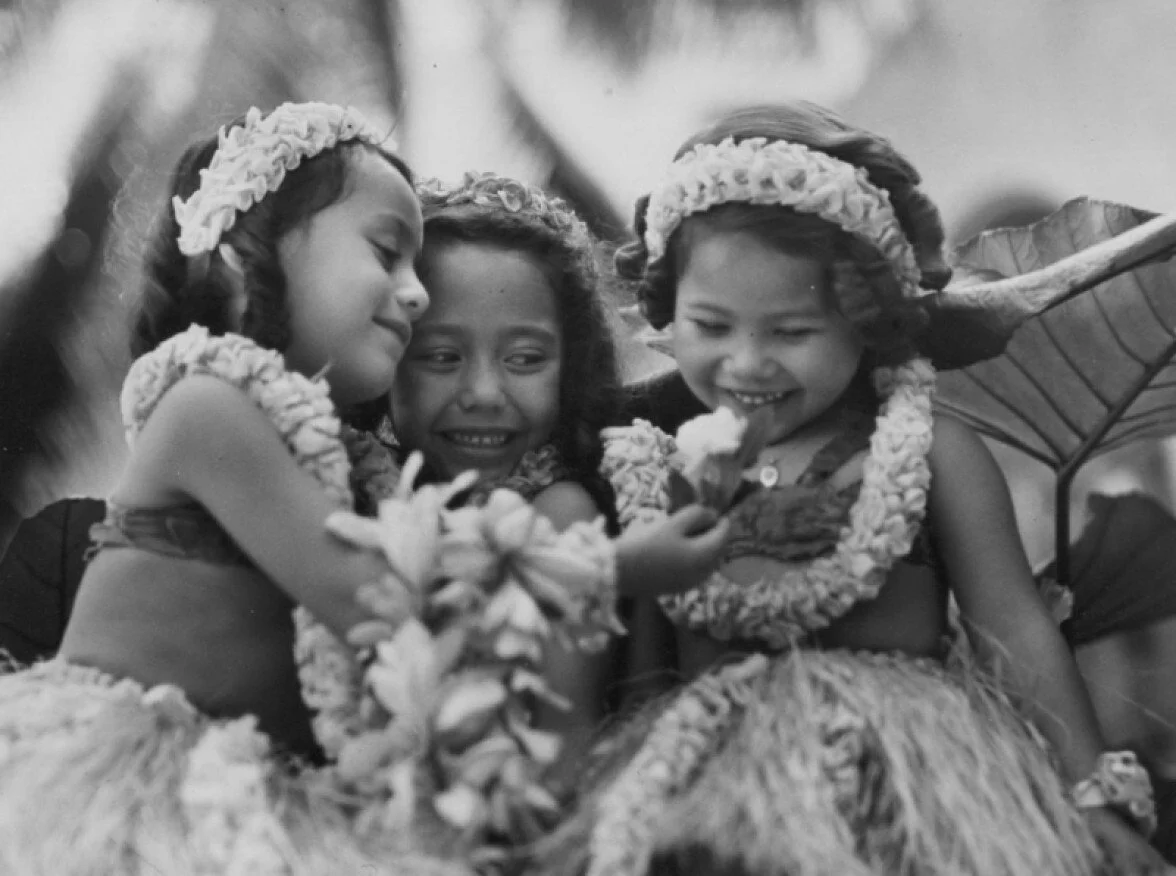
Keiki adorned with lei. No date. Courtesy of the Hawaiʻi State Archives.
Although lei has been part of Hawaiian culture for centuries, Lei Day itself began in the early twentieth century.
In 1927, poet and newspaper columnist Don Blanding suggested creating a day dedicated to Hawaiʻi's beloved tradition of lei making. His colleague, Grace Tower Warren, proposed celebrating it every May 1 and famously coined the phrase:
"May Day is Lei Day in Hawaiʻi."
The idea quickly captured the public's imagination.
The first official Lei Day celebration took place on May 1, 1928, featuring music, hula, lei-making demonstrations, and community festivities. In 1929, Territorial Governor Wallace R. Farrington formally proclaimed Lei Day as an annual observance. Nearly a century later, it remains one of Hawaiʻi's most cherished cultural celebrations.
Every Island Has Its Own Lei Story
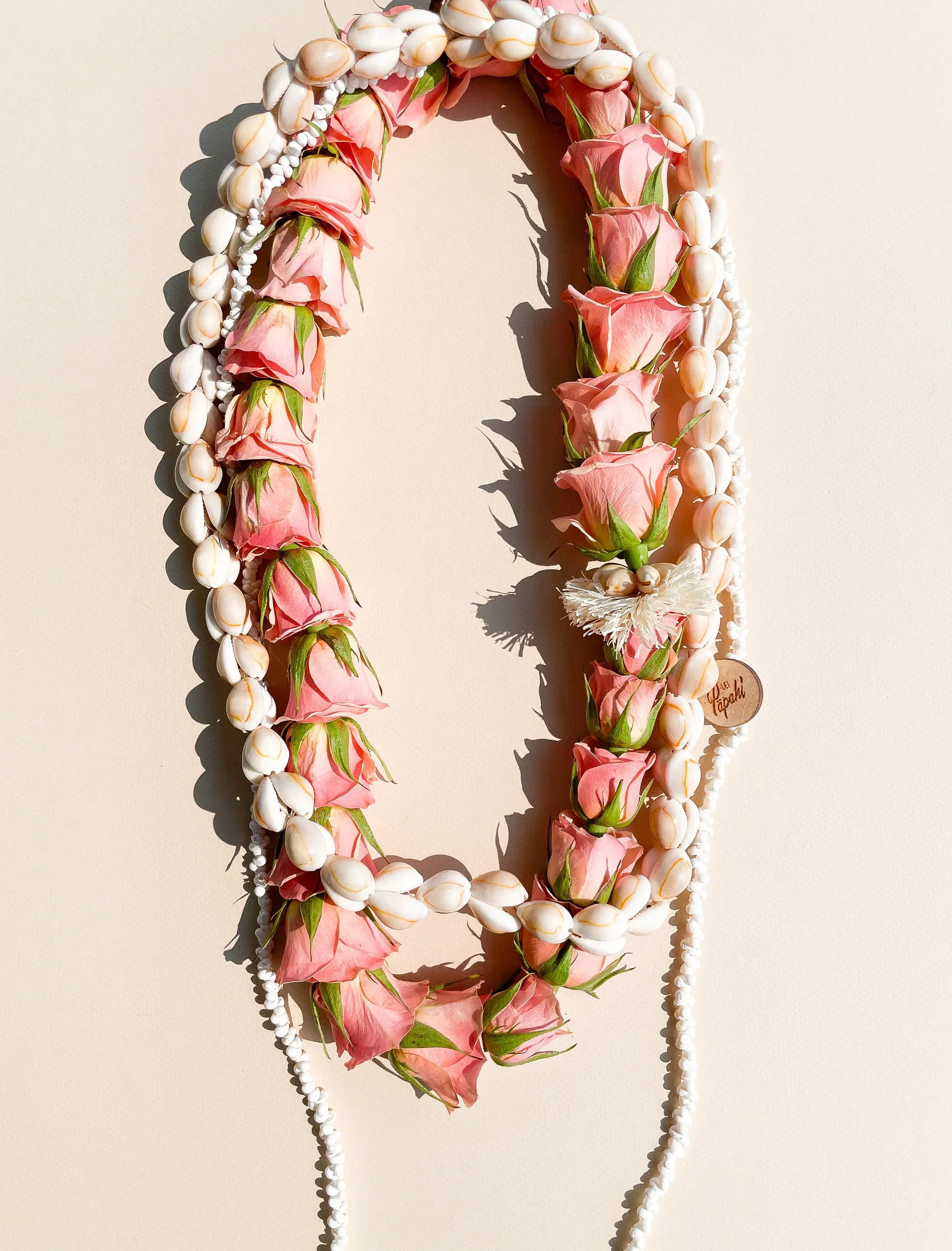
Lokelani Lei for Maui; Photo from Lei Papahi
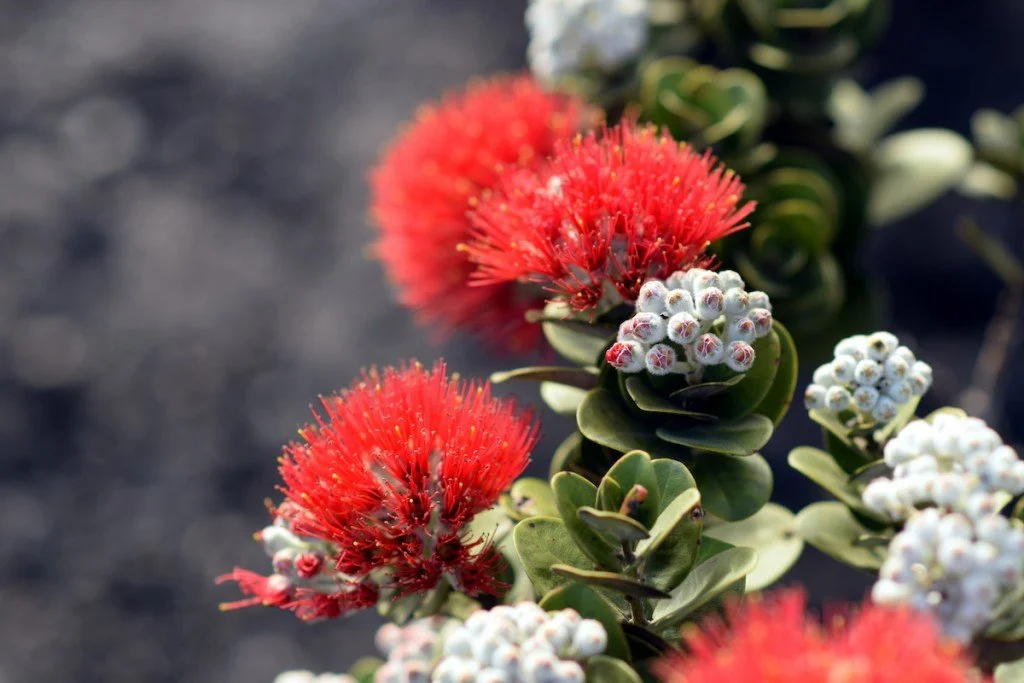
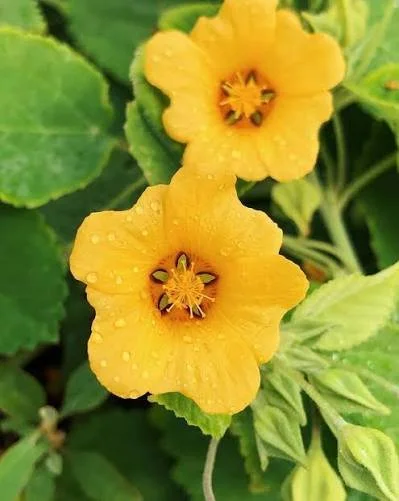
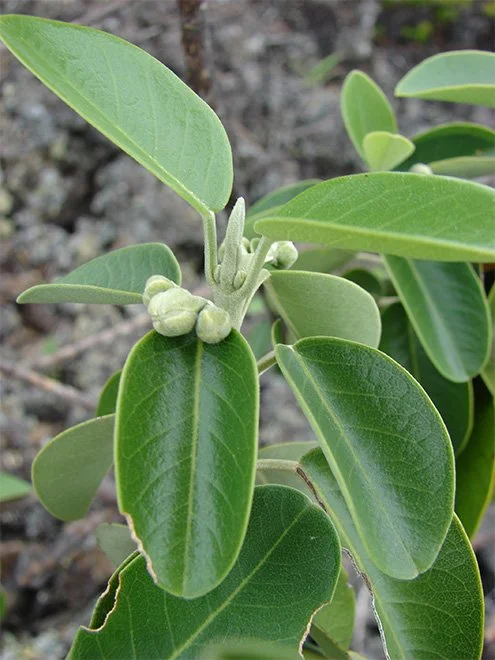
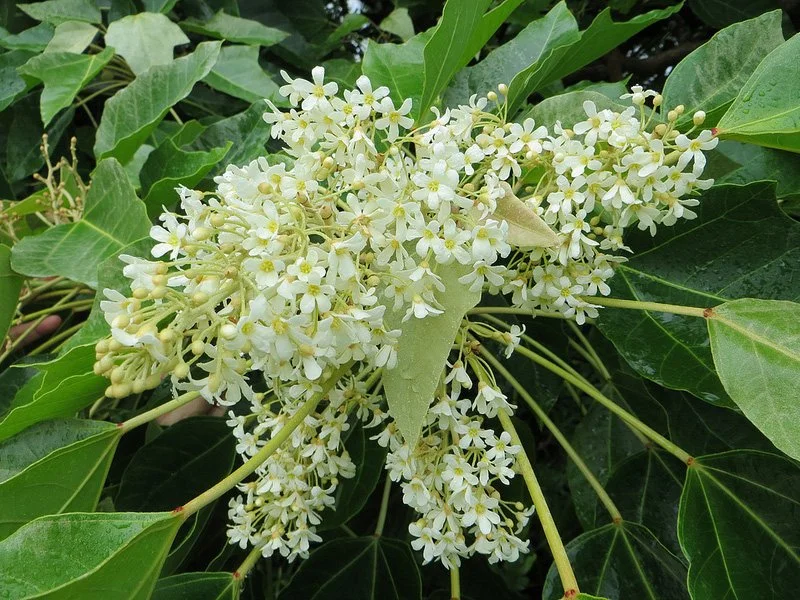
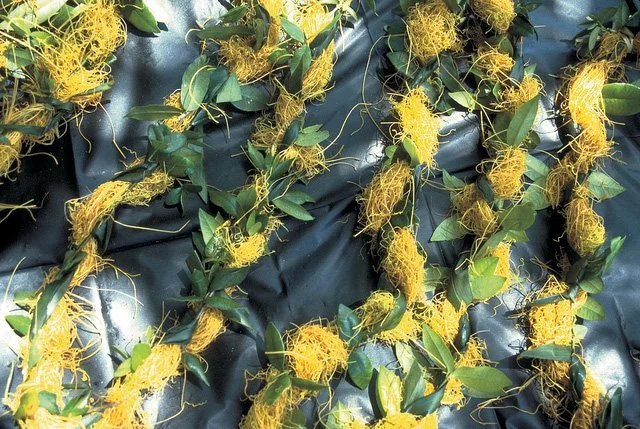
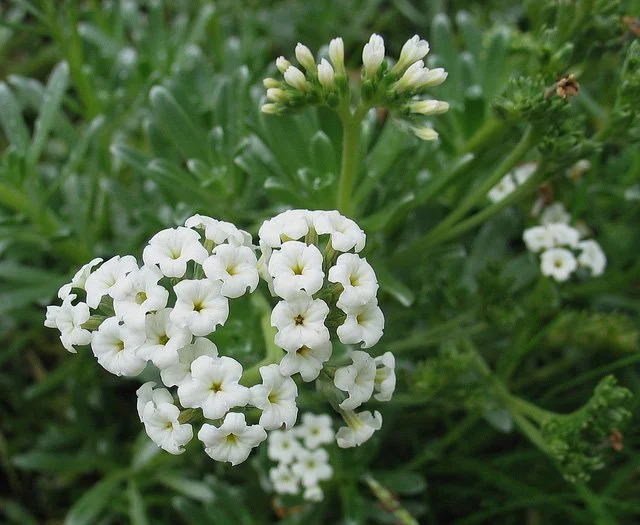
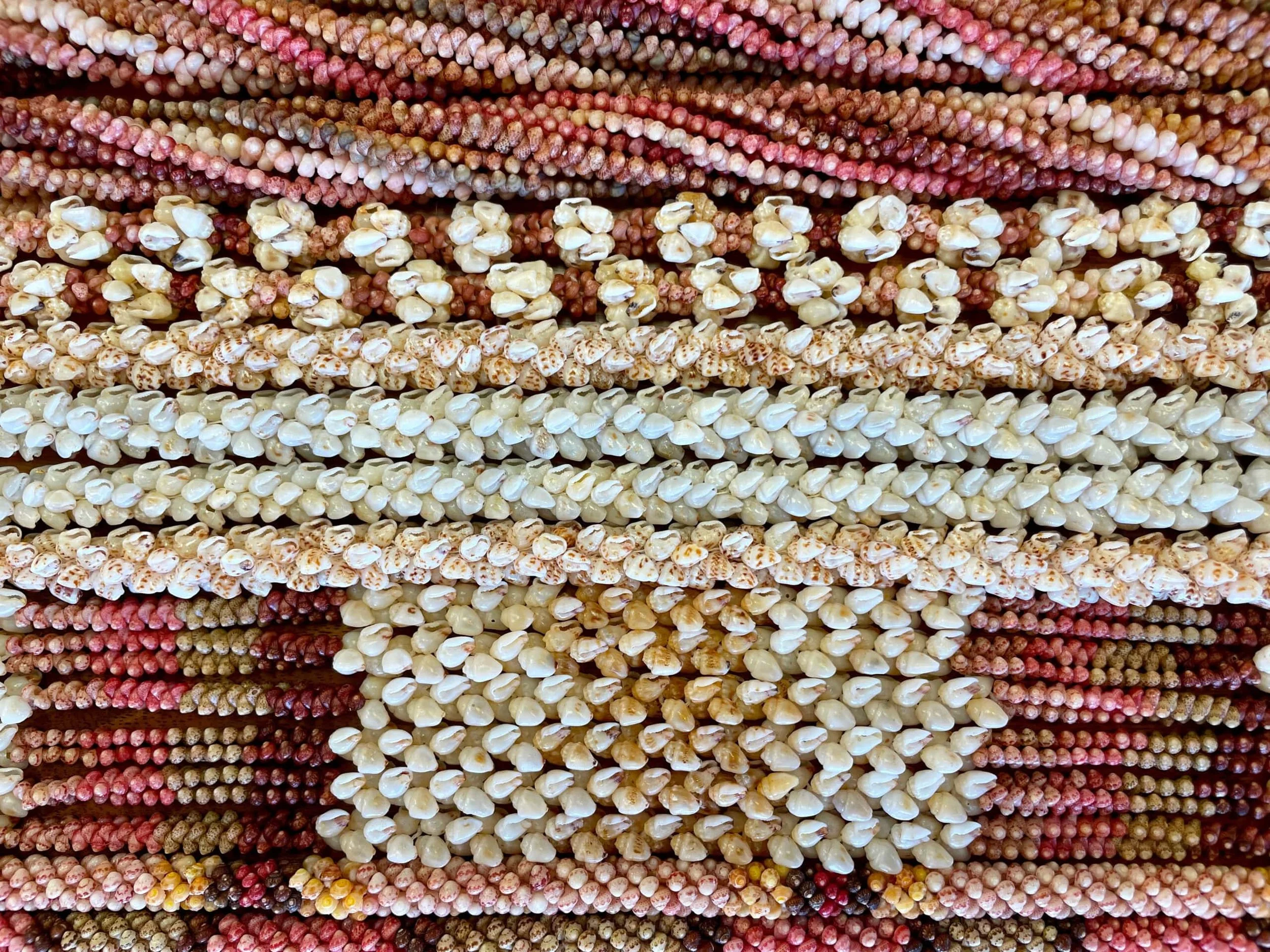
One of the traditions many visitors are surprised to discover is that each major Hawaiian Island has its own official flower or lei material.
Rather than representing competition between the islands, these symbols celebrate the unique identity and natural beauty of each place while honoring the shared tradition of lei making throughout Hawaiʻi.
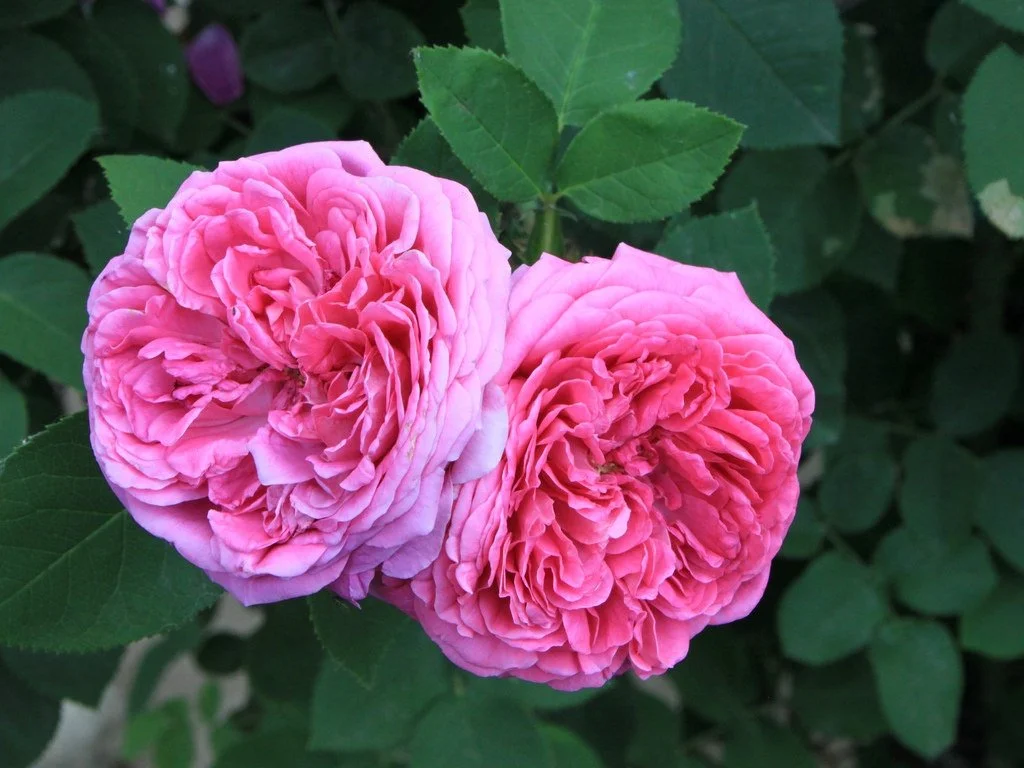
On Maui, the official island flower is the lokelani, a fragrant pink Damask rose whose rich scent has made it one of the island's most recognizable symbols. During Lei Day celebrations, the color pink and the lokelani often represent Maui in displays that feature every island's official lei material.
Across the Islands, these symbols tell their own stories:
Hawaiʻi Island: ʻŌhiʻa lehua
Maui: Lokelani
Oʻahu: ʻIlima
Kauaʻi: Mokihana
Molokaʻi: Kukui blossom
Lānaʻi: Kaunaʻoa
Kahoʻolawe: Hinahina
Niʻihau: Pūpū shells
Together, they remind us that while every island has its own traditions and identity, they remain connected through a shared culture of aloha and generosity.
How Lei Day Is Celebrated Today
Today, Lei Day is celebrated across Hawaiʻi with events that bring communities together and help preserve traditions for future generations.
Visitors may encounter:
Lei-making workshops led by skilled artisans.
Hula performances featuring both ancient kahiko and modern ʻauana styles.
Hawaiian music concerts celebrating mele that have been passed down for generations.
Lei contests showcasing remarkable craftsmanship and creativity.
Cultural demonstrations that share the stories behind Hawaiian traditions.
School May Day programs, where students perform hula, Oli (chant), music, and cultural presentations for their families.
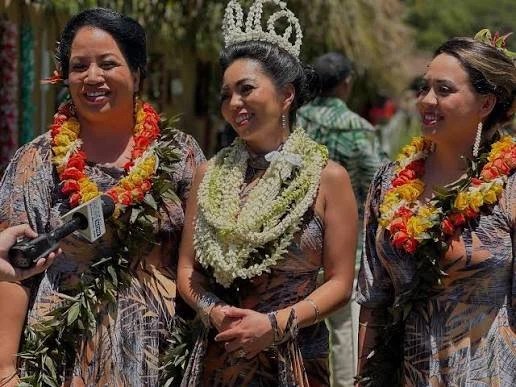
Winners of a Lei Contest; Photo from Honolulu Parks
For many residents, these school celebrations are among the most meaningful parts of Lei Day. They are opportunities for children to learn Hawaiian language, history, music, and hula while sharing those traditions with parents, grandparents, and the wider community.
Visiting Maui During Lei Day
If your visit to Maui happens to include May 1, attending a local Lei Day celebration can offer a meaningful glimpse into the island's culture.
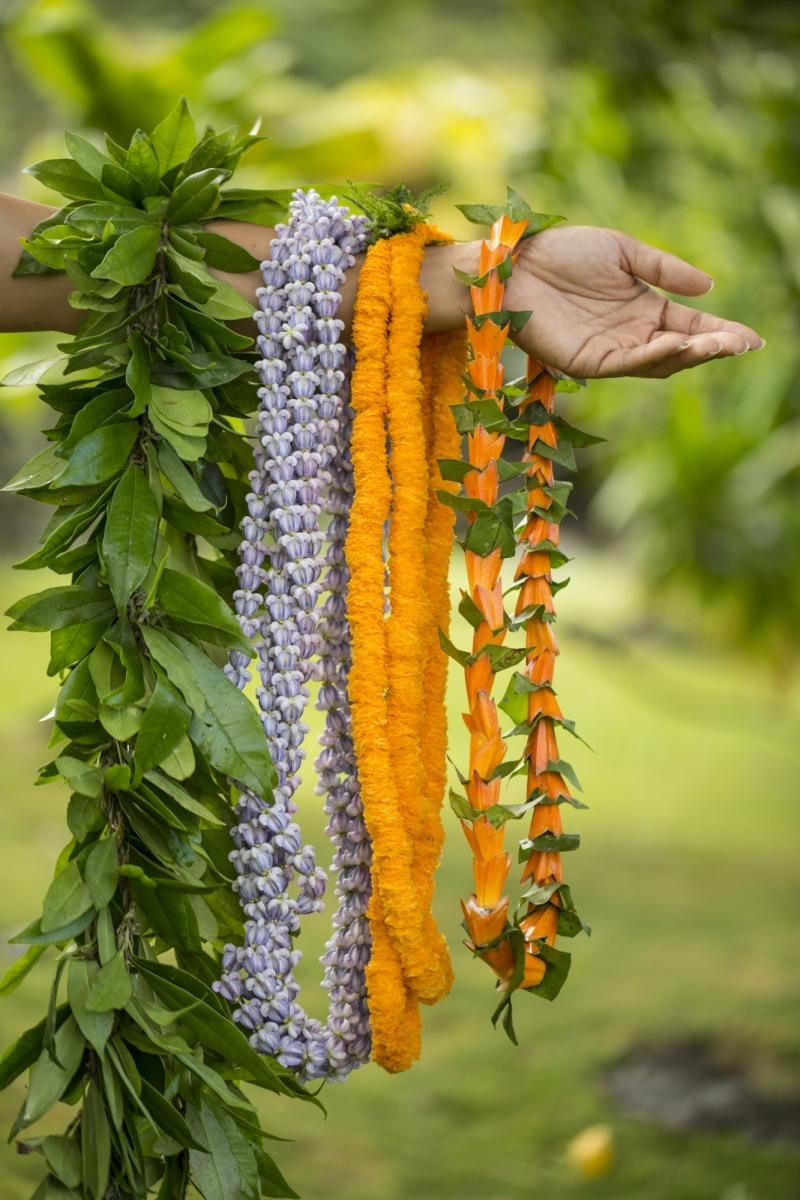
A selection of lei. Photo: Hawaii Tourism Authority (HTA)/Tor Johnson; Hawaii Magazine
The best way to experience the day is simply to observe, learn, and participate respectfully. Support local lei makers, enjoy live Hawaiian music, watch hula performances, and remember that these celebrations exist first and foremost for the communities who call Hawaiʻi home.
Rather than viewing Lei Day as entertainment, consider it an invitation to better understand the values that continue to shape life on Maui: generosity, respect, family, and connection to the ʻāina.
A Celebration That Lasts Beyond One Day
Although Lei Day is celebrated once a year, the spirit behind it is woven into everyday life across Hawaiʻi.
Whether welcoming someone with a lei, gathering for music and hula, or sharing time with family and friends, the holiday reminds us that aloha is something we practice through our relationships with one another.
On Maui, that spirit can be felt far beyond May 1.
It's found in the warmth of a genuine welcome, in traditions passed from one generation to the next, and in the simple act of sharing something meaningful with another person.
Like a handmade lei, those connections are often the memories that last the longest.