The Ultimate Guide to Moon Phases: Learn to Identify Every Moon in Just One Night
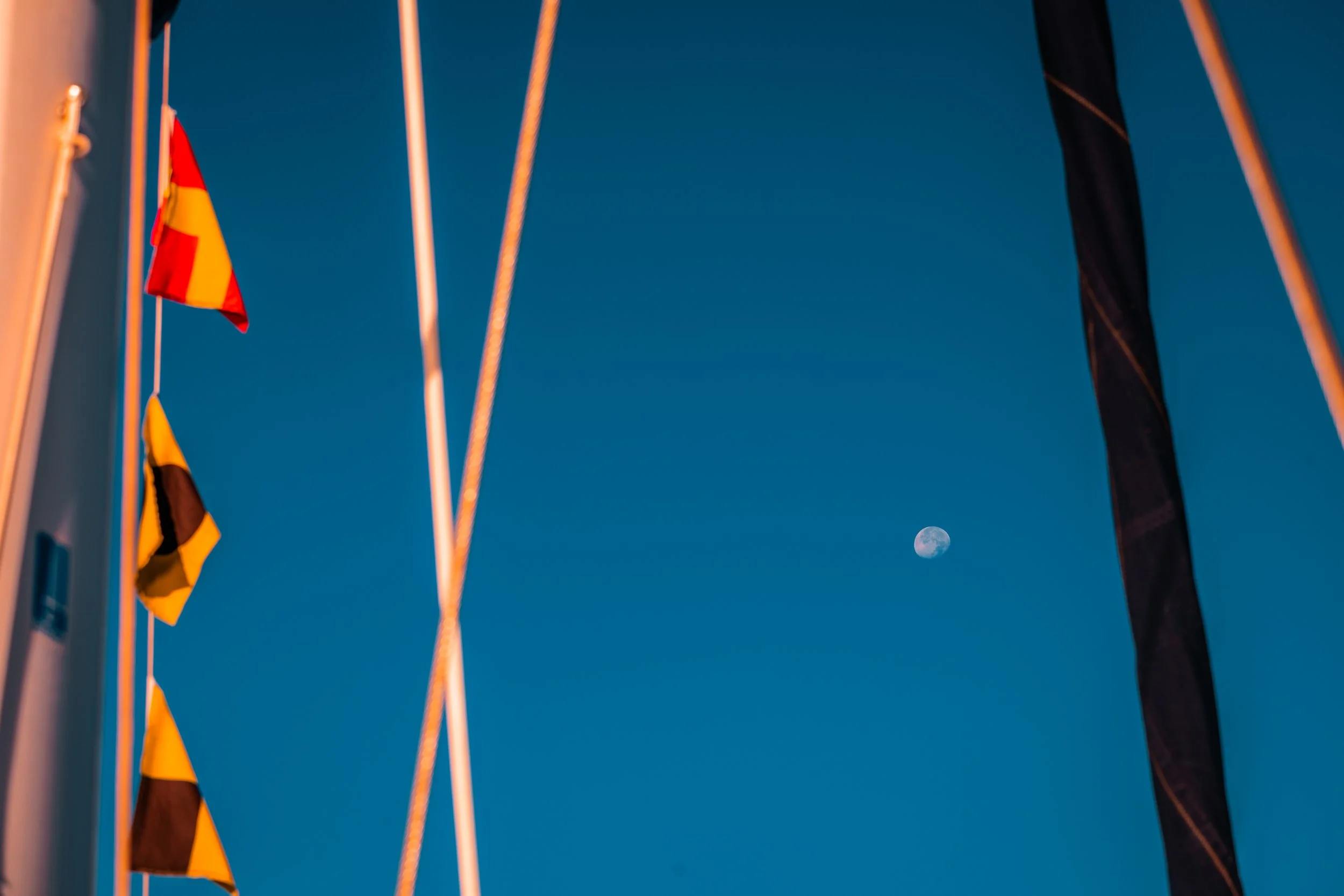
Have you ever looked up at the night sky, admired the Moon glowing overhead, and wondered, "What phase is it tonight?"
You're not alone.
Most of us can recognize a full moon without hesitation. A crescent moon usually feels familiar, too. Beyond that, the phases often blur together into names we vaguely remember from science class.
The truth is, identifying the Moon is much easier than most people think.
Once you understand a few simple patterns, you'll be able to step outside, glance up at the sky, and know exactly what you're looking at. Better yet, you'll begin to notice how the Moon changes from night to night, slowly completing the same beautiful cycle it has repeated for billions of years.
By the end of this guide, you'll be able to identify every phase of the Moon with confidence. Along the way, we'll also explore the Moon's incredible history, why it controls Earth's tides, its importance in Hawaiian culture, the myths it inspired around the world, and the fascinating question that humans have been asking for thousands of years: does the Moon affect us, too?
Keep reading to learn about the phases of the moon, or skip ahead to:
🌑🌒🌓🌔🌕🌖🌗🌘
🌑🌒🌓🌔🌕🌖🌗🌘
The importance of knowing waxing versus waning moons
The Moon changes into a new major phase about every 3–4 days, known as a lunar cycle, completing one full cycle every 29.5 days. As it orbits Earth, sunlight illuminates different portions of its surface, creating the changing phases we see from Earth. If you watch the Moon each night for a month, you'll see it gradually grow from invisible to full before shrinking back to a New Moon all over again.
Don't worry about memorizing complicated astronomy terms. Once you learn two simple words—waxing and waning—identifying the Moon becomes surprisingly easy.
First, Learn These Two Words
Waxing = Growing
When the illuminated portion of the Moon is getting larger each night, it's waxing. Think of it like wax dripping down the side of a candle—it's building up. Or like waxing your surfboard, you are adding wax to the board.
Waning = Shrinking
When the illuminated portion of the Moon is getting smaller each night, it's waning.
Think: Waning = Wearing away.
Once you remember those two words, the rest of the Moon's phases fall into place.
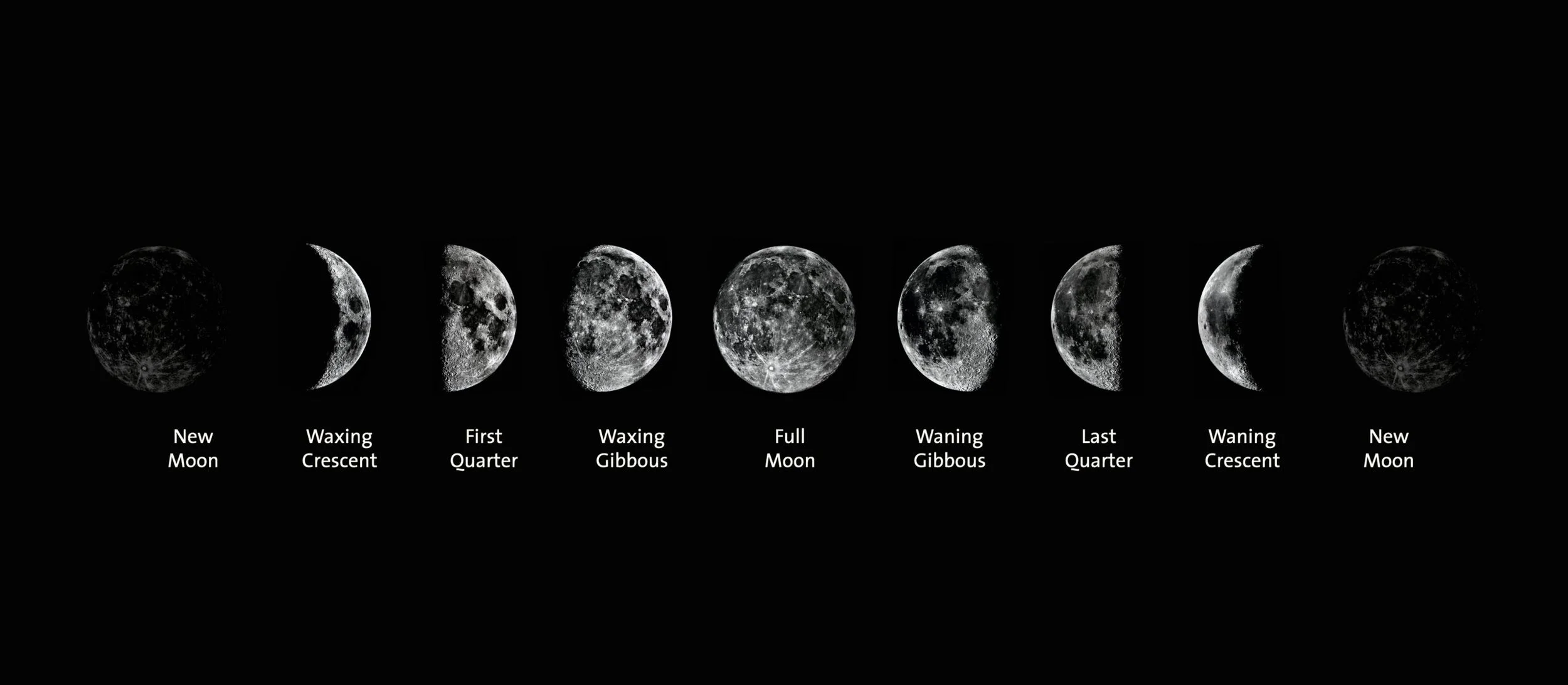
Photo from Griffith Observatory
How do you know if the moon is waxing or waning?
What if you haven't been watching the Moon every night? How can you tell whether it's waxing (growing) or waning (shrinking) from just one glance?
Here's the easiest trick.
In the Northern Hemisphere (Including Hawaiʻi):
If the right side of the Moon is illuminated, it's waxing—meaning the Moon is growing toward a Full Moon.
If the left side of the Moon is illuminated, it's waning—meaning the Moon is shrinking back toward a New Moon.
Memory Trick: right is bright = waxing, right is dark = waning
In the Southern Hemisphere:
If you're south of the equator, the Moon appears upside down compared to what we see on Maui.
That means the rule is reversed:
Left side illuminated = Waxing (Growing)
Right side illuminated = Waning (Shrinking)
How to Identify Every Moon Phase
🌑 New Moon
Memory Trick: New = No Moon
This is the easiest phase to remember because you usually can't see it at all. During a New Moon, the Moon sits between Earth and the Sun. The side facing us isn't illuminated, making it nearly invisible in the night sky.
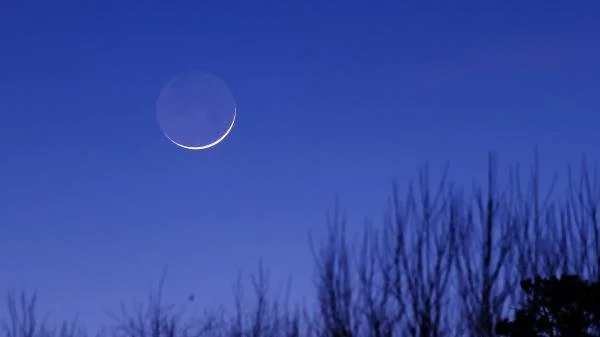
Waxing Crescent Moon Photo from Time and Date
🌒 Waxing Crescent
Just after the New Moon, a thin sliver of light begins to appear.
Each night, that crescent grows a little larger as the Moon moves toward First Quarter.
Memory Trick: A little slice that's growing. (Remember, waxing is growing.)
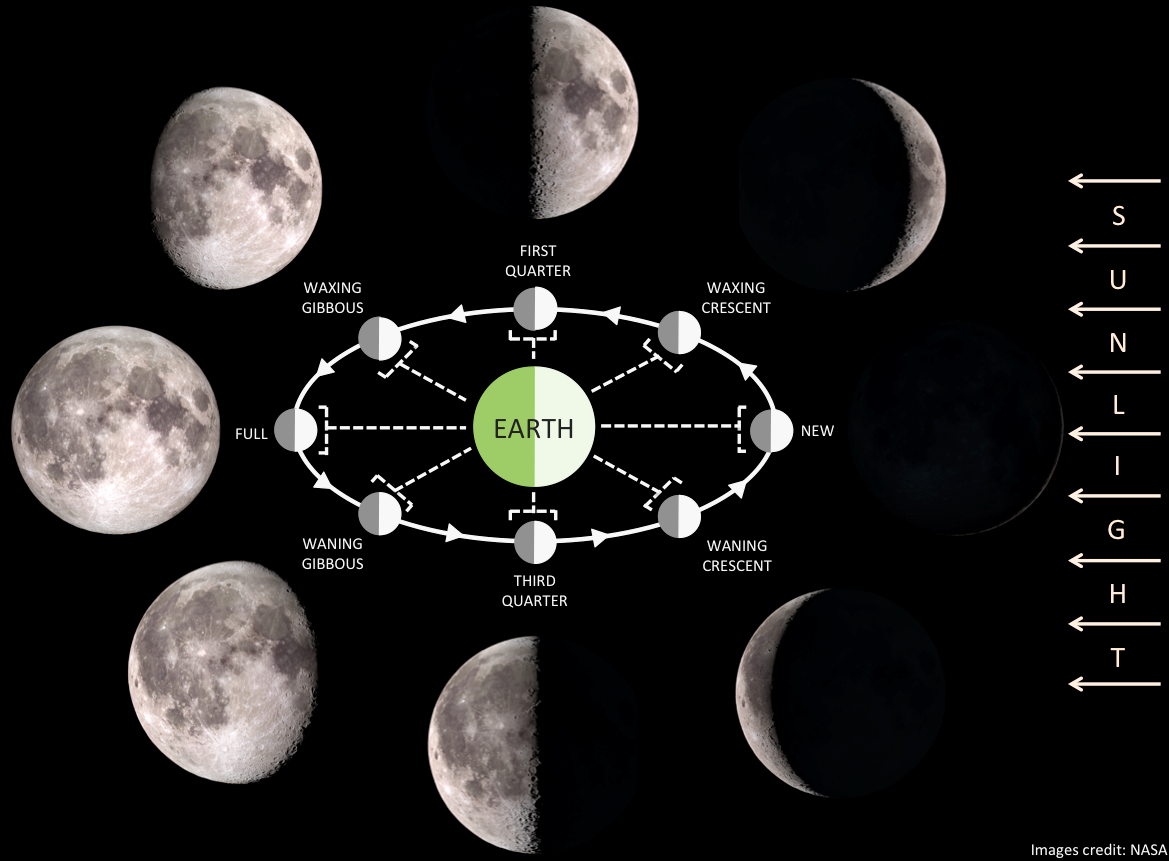
The Moon Phases Photo From: Imaging the Universe
🌓 First Quarter
One side of the Moon appears illuminated while the other remains dark. The moon is split directly in half during the First Quarter phase, and is continuing to grow.
Despite the name, this is not a "quarter moon." It's called First Quarter because the Moon is one-quarter of the way through its orbit around Earth.
Memory Trick: Half lit, quarter through the journey.
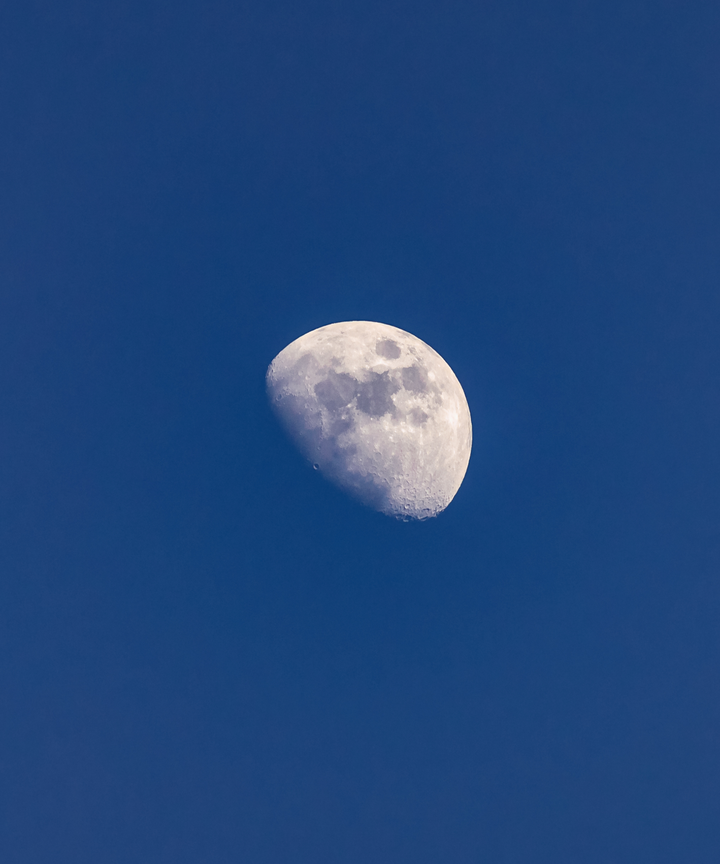
Waxing Gibbious Moon Photo From: Refinery29
🌔 Waxing Gibbous
"Gibbous" simply means more than half illuminated, but not yet full.
The Moon continues growing each night until it reaches its brightest phase.
Memory Trick: Almost Full.
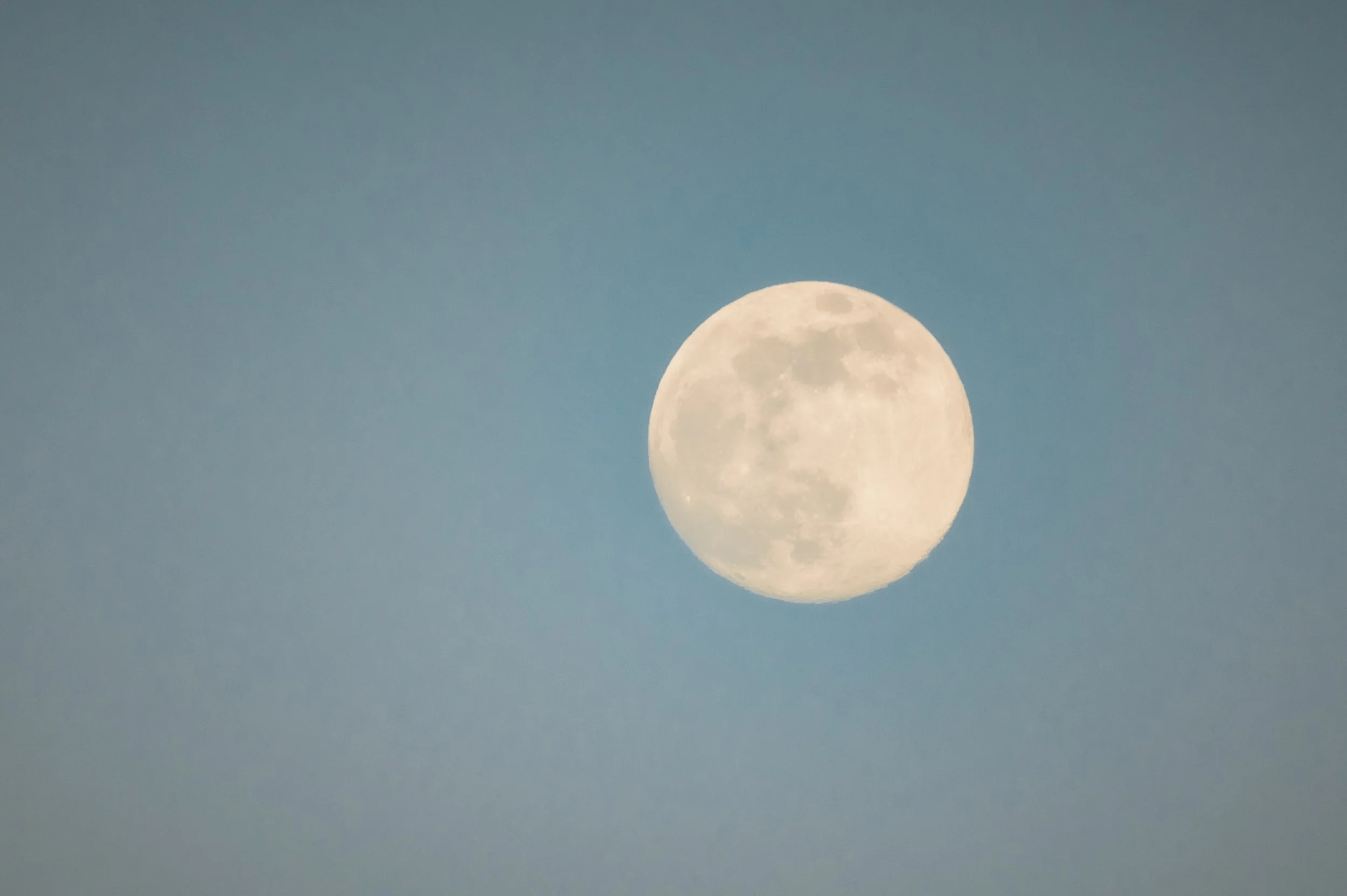
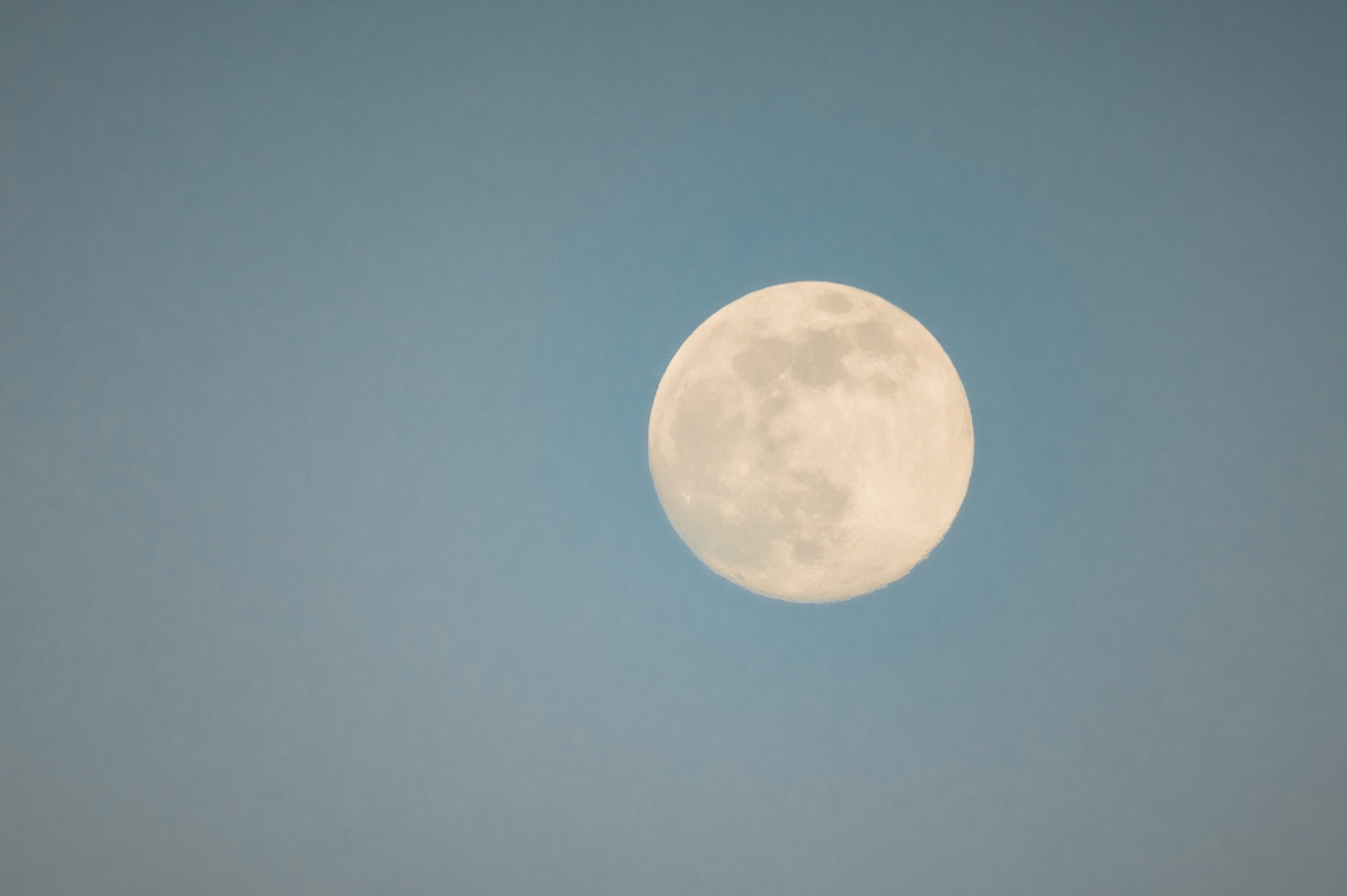
Full Moon Photo from: Trilogy Excursions
🌕 Full Moon
This is the phase most people recognize immediately. Earth sits between the Sun and Moon, allowing us to see the Moon's entire sunlit side.
It's also when moonrise, moonset, and the bright reflection across the ocean are especially spectacular on Maui.
Memory Trick: The whole face shines.
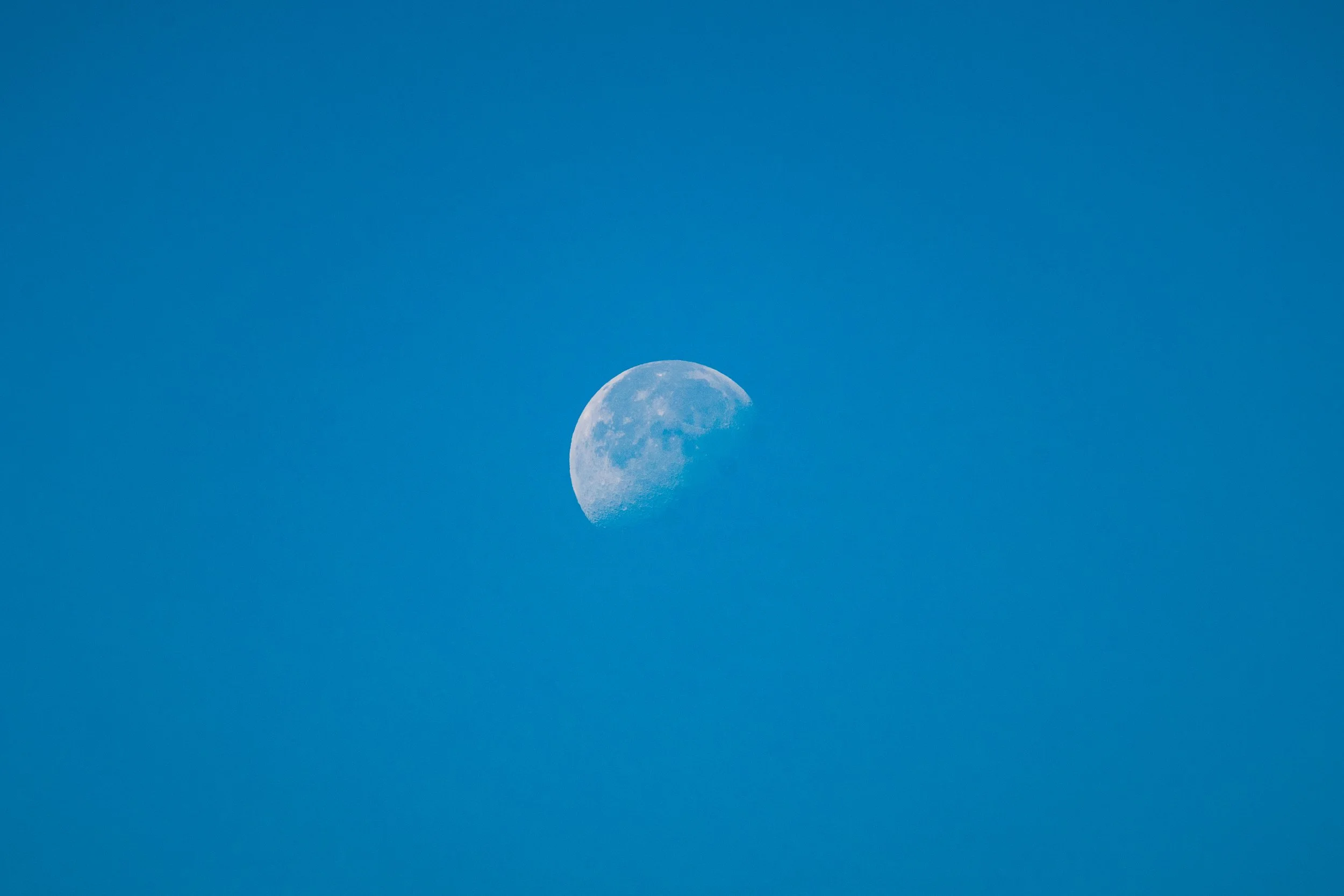
Waning Gibbous Photo From: Trilogy Excursions
🌖 Waning Gibbous
The Moon is still mostly illuminated, but each night it becomes a little smaller. Remember, waning = getting smaller.
Think: The Full Moon is fading away.
Why is this photo Waning Gibbous and not First/Third Quarter?
More than half of the moon is illuminated = Gibbous.
The right side is dark, therefore = Waning.
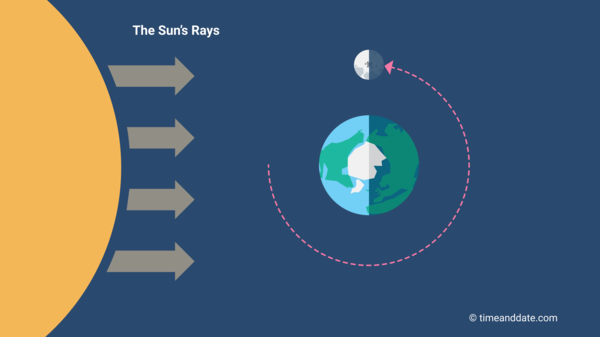
Third Quarter Moon Phase Photo From: Time and Date
🌗 Third Quarter (Last Quarter)
Memory Trick: Half lit again.
Once again, half the Moon appears illuminated.
This time, it's three-quarters of the way through its orbit around Earth.
Think: Half lit... on the way back to New.
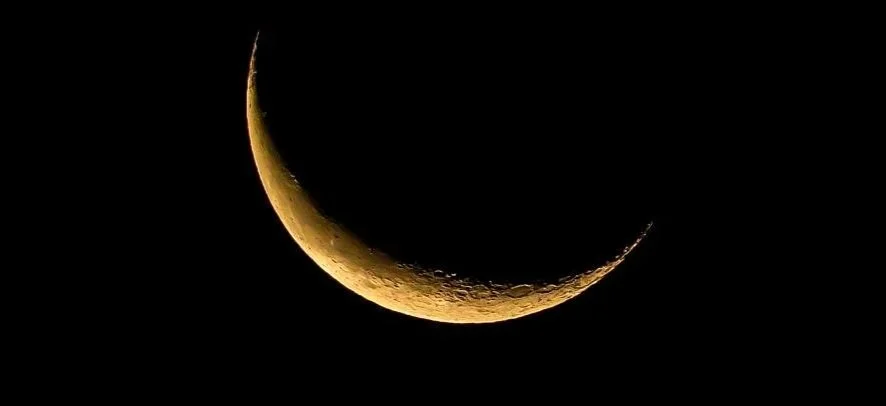
Waning Crescent Moon Phase Photo From: Time and Date
🌘 Waning Crescent
Memory Trick: The last slice.
Only a thin crescent remains before the Moon disappears into another New Moon.
Every night, that sliver becomes smaller until..... New Moon. And the entire cycle begins again.
Congratulations—you now know more about moon phases than most people.
The next time someone points to the sky and asks, "What phase is the Moon tonight?" you'll know exactly what you're looking at. Keep reading to learn about the history of the moon, the spectacular lunar events visible from Maui, its importance in Hawaiian culture and navigation, the myths it inspired across civilizations, and why humans have wondered about its influence for thousands of years.
The Moon's Incredible Origin Story
The Moon has been orbiting Earth for about 4.5 billion years, making it nearly as old as our planet itself.
But it wasn't always there. Shortly after the Earth formed, our young planet looked nothing like the blue world we know today. It was a molten, chaotic place, surrounded by countless asteroids and developing planets as our solar system slowly took shape.
Then came one of the most violent events in Earth's history.
Scientists believe a Mars-sized protoplanet, often called Theia, collided with the young Earth in a massive impact known as the Giant Impact Hypothesis. The collision was so powerful that it blasted enormous amounts of rock into space—much of it from Earth's outer layers, mixed with debris from Theia itself.
Instead of drifting away into the solar system, that debris remained trapped by Earth's gravity. Over thousands of years, those fragments collided, merged, and slowly formed a single body. Our Moon.
In many ways, the Moon is Earth's oldest companion—a world born from the same cosmic event that helped shape our own planet.
Scientists continue to study exactly how the Moon formed, but samples brought back by the Apollo missions show that Moon rocks are remarkably similar in composition to Earth's outer layers. This evidence is one of the strongest reasons why the Giant Impact Hypothesis is the leading explanation for the Moon's origin.
Watch the video from NASA below to see a supercomputer simulation of the Moonʻs origin. (skip to 0:31)
Why the Moon Matters So Much
Because the Moon is relatively large compared to Earth, its gravitational pull has had an enormous influence on our planet for billions of years.
Without the Moon, Earth would be a very different place.
Its gravity creates the ocean tides that shape our coastlines every day. It also helps stabilize Earth's axial tilt, which has contributed to a relatively stable climate over millions of years. Many scientists believe that this long-term stability played an important role in allowing complex life to evolve.
The next time you look up at the Moon, you're not just seeing Earth's closest neighbor.
You're looking at the remains of an ancient collision that helped shape the world we call home.
Supermoons, Blue Moons, Strawberry Moons, Eclipses, and Other Special Lunar Events
Special Lunar Events You Can See From Earth
If you've ever heard someone mention a Supermoon, Blue Moon, or Blood Moon, you might wonder what makes them different from a regular moon phase.
The answer is simple: they're not moon phases at all.
The Moon always follows the same eight phases—from New Moon to Full Moon and back again. Names like Supermoon, Harvest Moon, Strawberry Moon, and Blue Moon describe special events that occur during the Moon's normal orbit around Earth. Some happen every year. Others are much rarer. Here's what each one means—and what makes them so special.
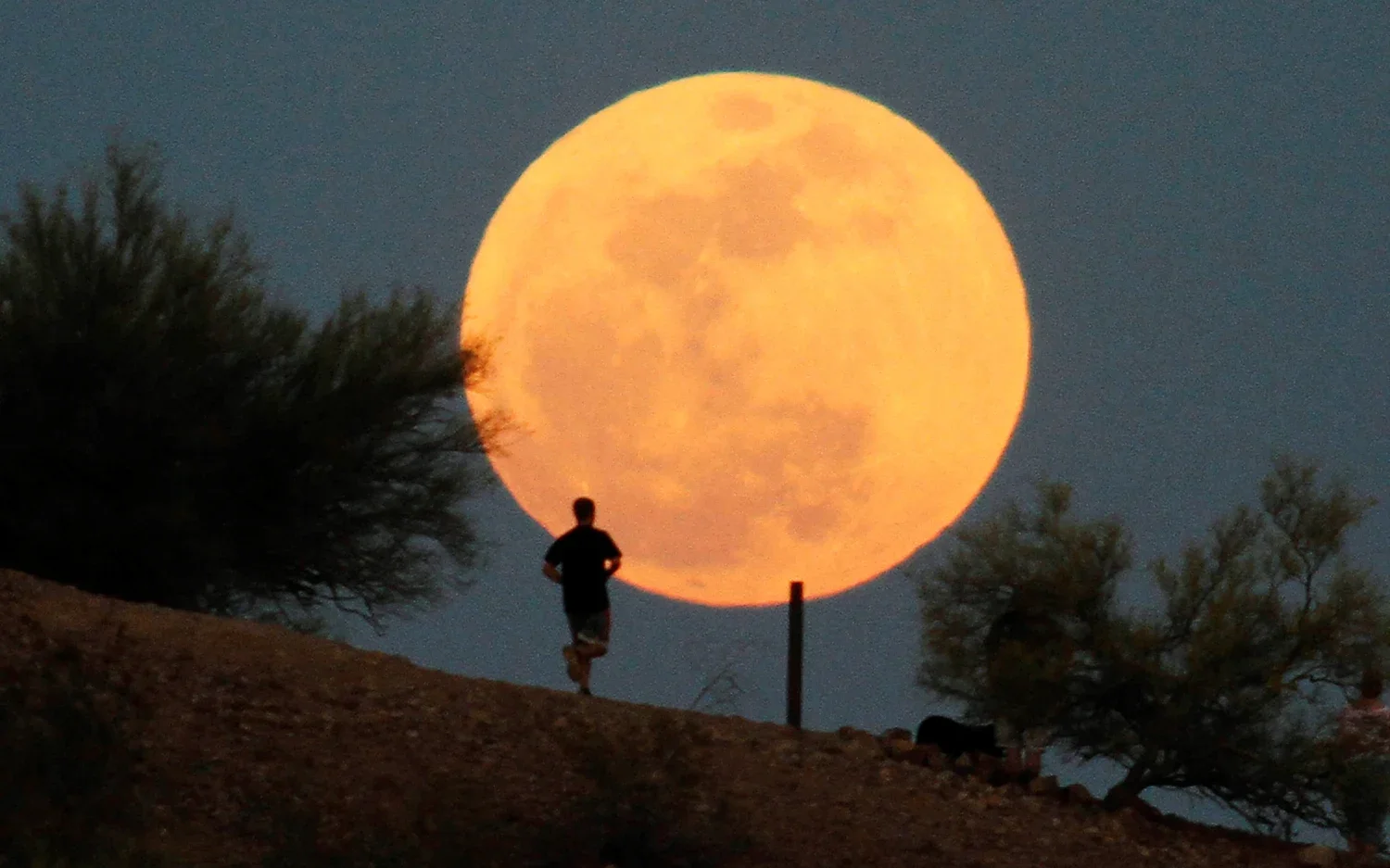
Supermoon Photo From: NBC News
Supermoon
A Supermoon occurs when a Full Moon happens at nearly the same time the Moon reaches perigee—the point in its orbit where it's closest to Earth.
Because it's slightly closer, a Supermoon can appear up to 14% larger and about 30% brighter than the smallest Full Moon of the year, although the difference can appear subtle sometimes unless you're comparing them side by side.
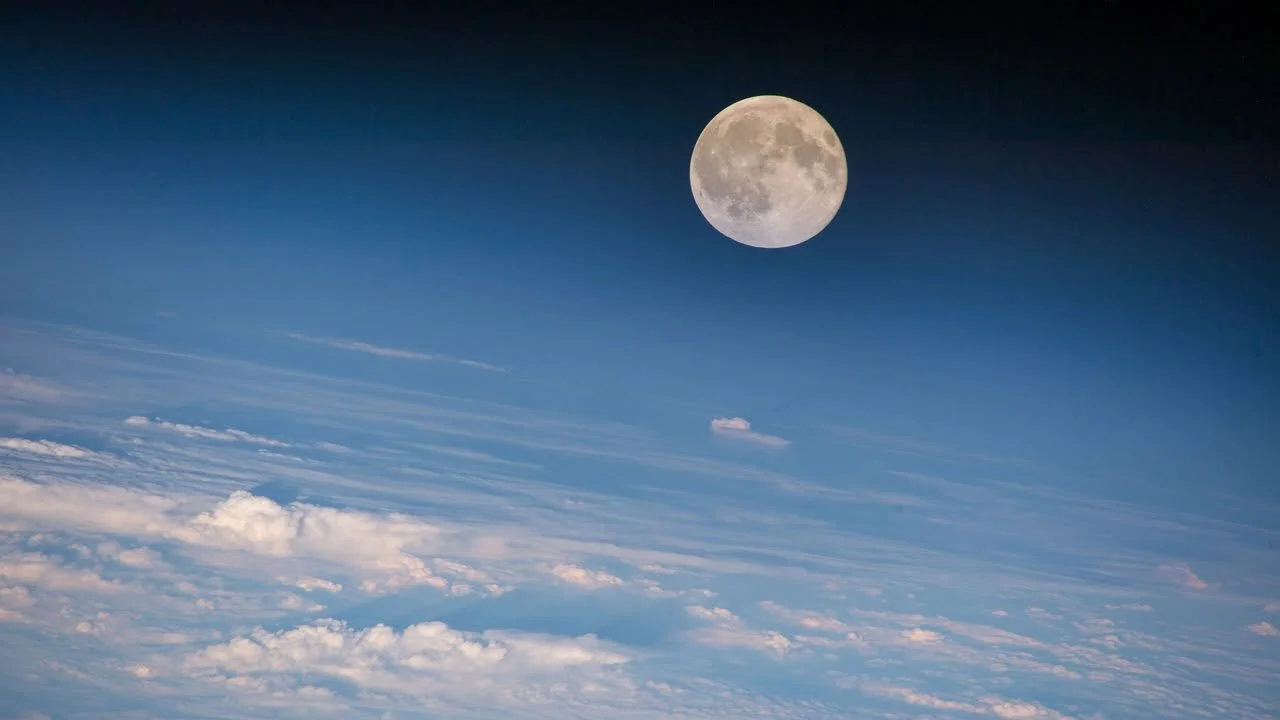
Blue Moon Photo From: NASA
Blue Moon
Despite its name, a Blue Moon isn't actually blue. The term Blue Moon most commonly refers to the second Full Moon that occurs within the same calendar month.
Since a Full Moon typically only happens once a month, fitting two Full Moons into a single month is relatively uncommon. That's why a Blue Moon only occurs about once every two to three years. Which is how the saying "Once in a blue moon" emerged.
Strawberry Moon
The Strawberry Moon is the name traditionally given to the Full Moon in June.
It has nothing to do with the Moon's color. The name comes from Indigenous peoples in North America, who used the June Full Moon to mark the short strawberry harvesting season.
Depending on atmospheric conditions, it may appear golden, orange, or pink/reddish at the time it rises, however that is not the reason for its name.
View the Strawberry Moon in 2026 posted on Instagram by Dan Martland —>
Harvest Moon
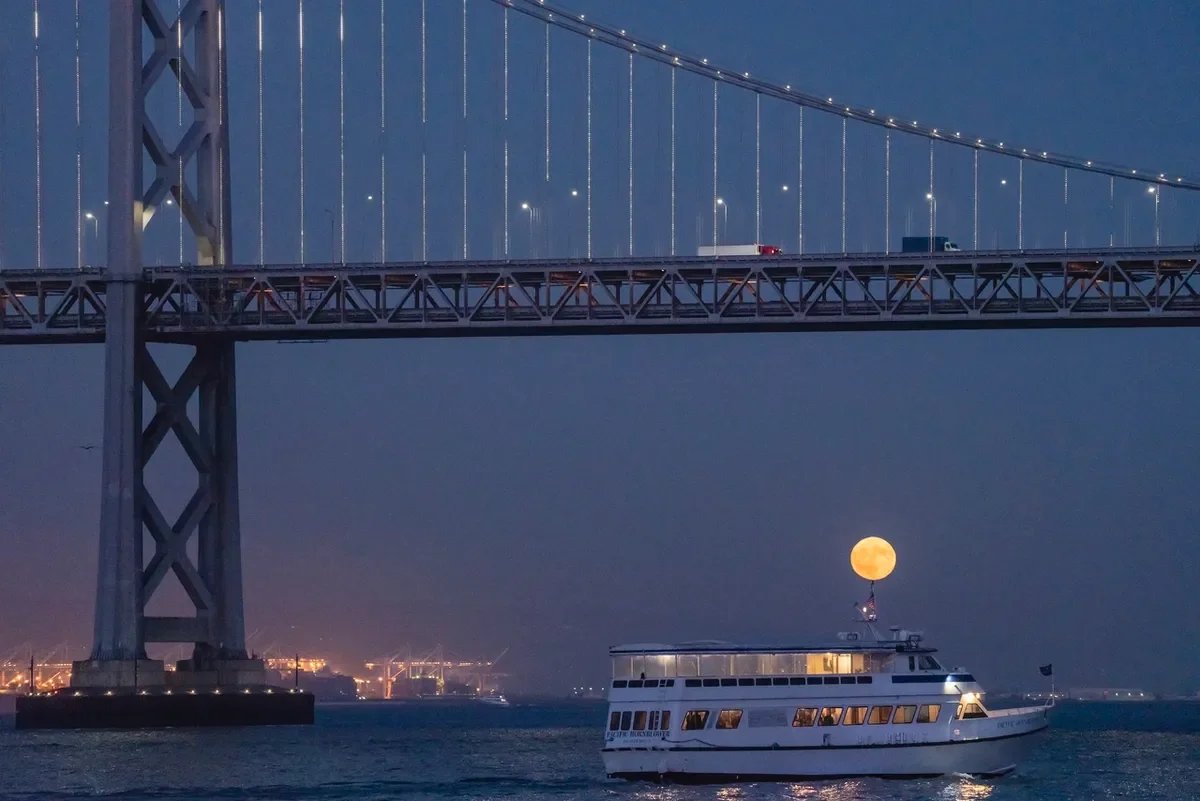
The Harvest Moon appears to perch on top of a boat beneath California's San Francisco-Oakland Bay Bridge in this photo taken by Kwong Liew on Sept. 24, 2018. (Image credit: Kwong Liew/@liewdesign)
The Harvest Moon is the Full Moon closest to the autumn equinox.
Before electricity, farmers relied on its bright light to continue harvesting crops after sunset.
Unlike most Full Moons, which rise about 50 minutes later each night, the Harvest Moon rises only about 20–30 minutes later over several consecutive evenings, providing extra evening light during harvest season.
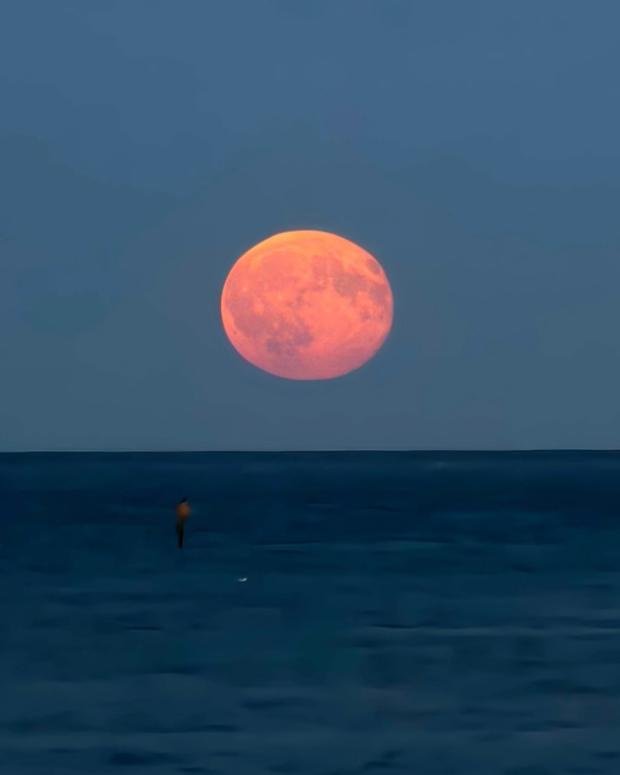
Blood Moon above coast in Norfolk; Photo From: Eastern Daily Press
Blood Moon
A Blood Moon occurs during a total lunar eclipse.
As Earth passes directly between the Sun and Moon, our planet blocks direct sunlight from reaching the Moon.
Some sunlight still bends through Earth's atmosphere, filtering out shorter blue wavelengths while allowing red light to continue toward the Moon. That's why the Moon can appear deep red or copper-colored during a total lunar eclipse.
Solar Eclipse vs. Lunar Eclipse
Although they both involve the Sun, Earth, and Moon lining up, they're very different events.
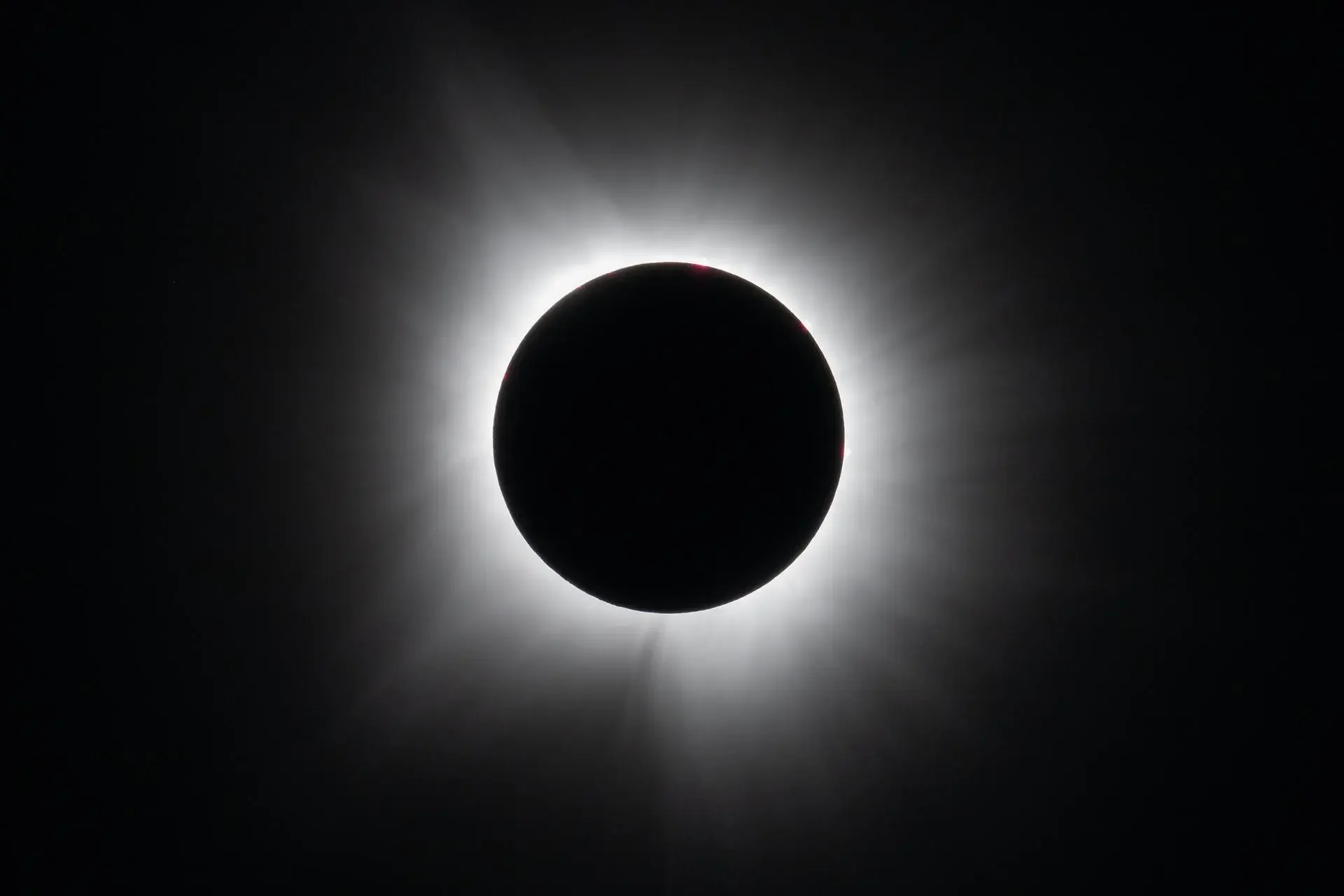
Total Solar Eclipse on April 8, 2024; Photo From: NASA
Solar Eclipse
The Moon passes between Earth and the Sun, temporarily blocking the Sun's light. This can only happen during a New Moon.
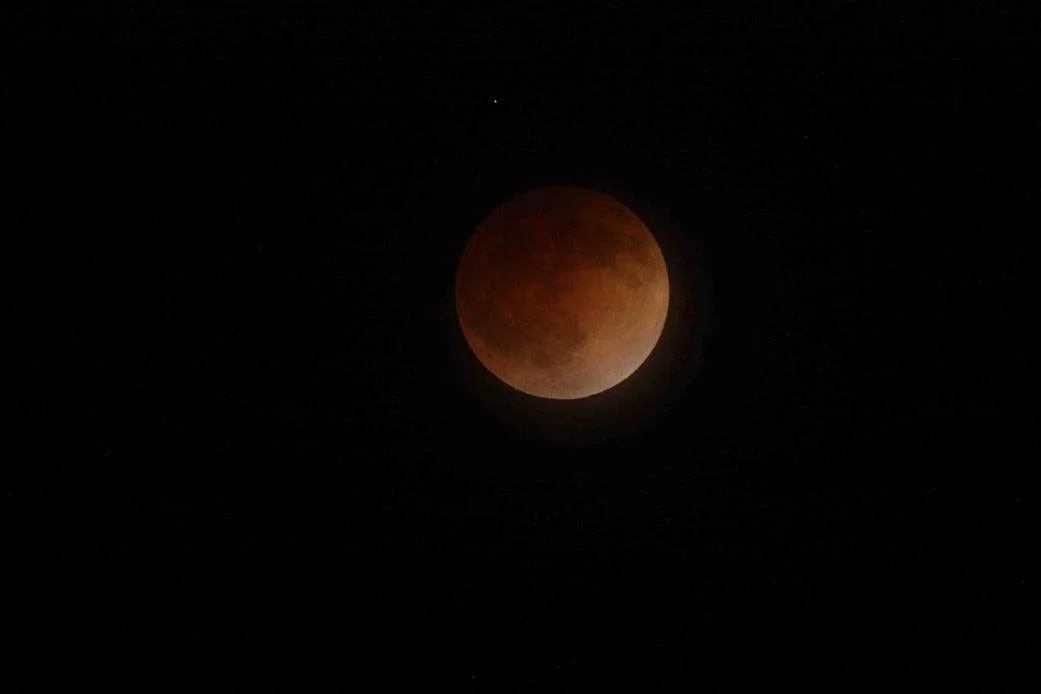
Total Lunar Eclipse, Feb 28, 2022; Photo From: NASA
Lunar Eclipse
The Earth passes between the Sun and the Moon, casting Earth's shadow across the Moon. This can only happen during a Full Moon. Unlike a solar eclipse, a lunar eclipse is completely safe to watch with your eyes.
Why the Moon Looks So Big Near the Horizon
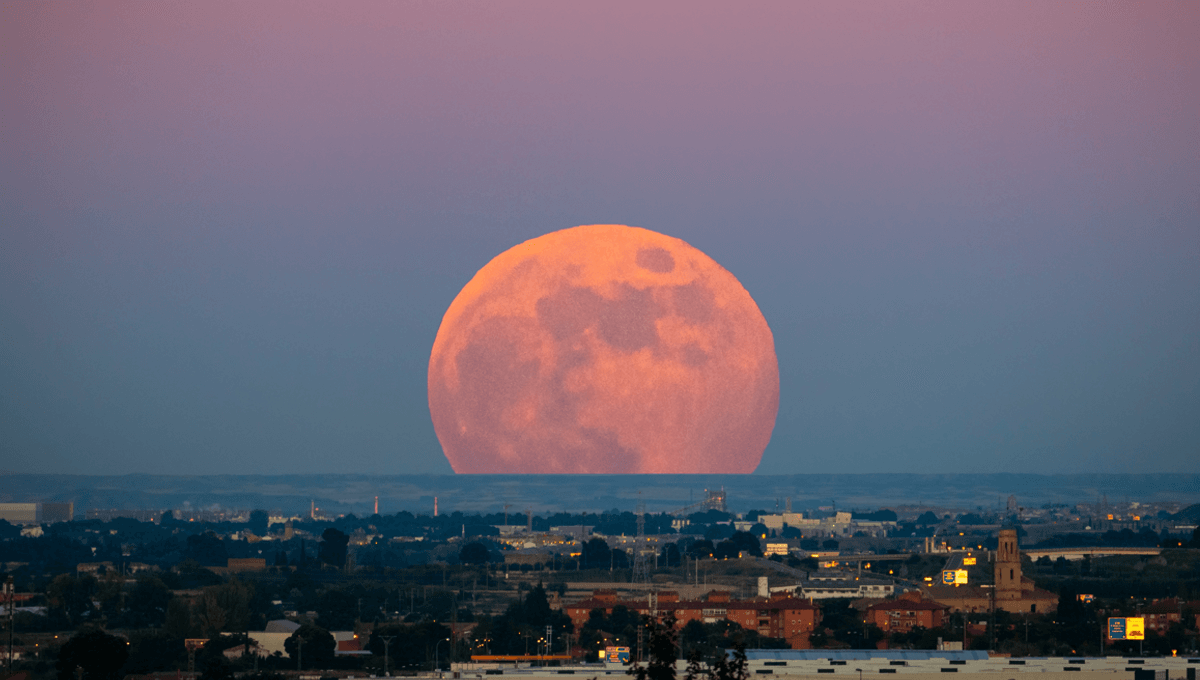
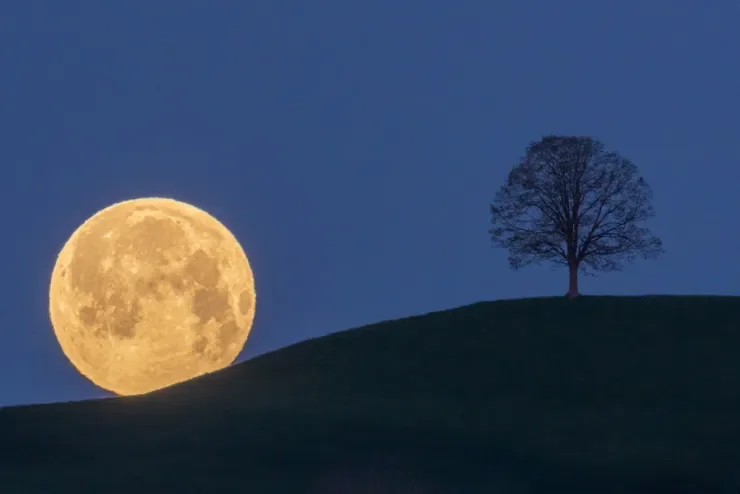
Moon Illusion; Photo From: IFLScience
Have you ever watched the Moon rise over the ocean and thought it looked enormous?
Surprisingly, that's mostly an optical illusion.
Known as the Moon Illusion, your brain compares the Moon to objects on the horizon—like trees, mountains, or the ocean—making it appear much larger than when it's high overhead. In reality, the Moon's size changes very little during a single night.
Moon Watching Tip for maui
One of the most magical nighttime sights on Maui isn't the Moon itself—it's what the Moon can create.
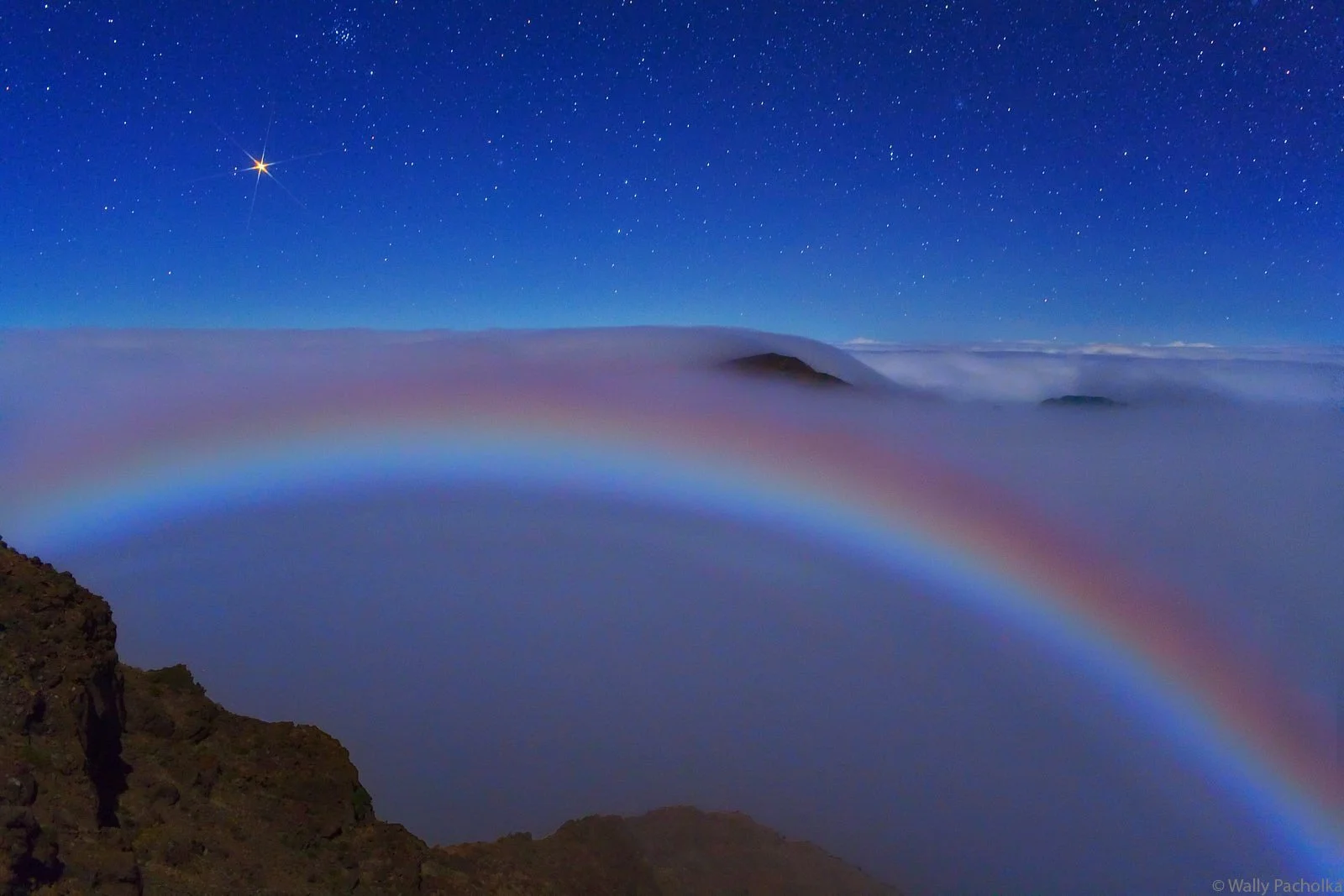
Mars rising over Haleakala Crater Moonbow | Haleakala National Park, Maui, Hawaii; Photo Taken By: Wally Pacholka, Astropics
Moonbows
A moonbow, also called a lunar rainbow, is exactly what it sounds like: a rainbow created by moonlight instead of sunlight. Just like an ordinary rainbow, moonlight is refracted through tiny water droplets in the air. Because moonlight is much dimmer than sunlight, moonbows often appear as soft white or silvery arches to the naked eye, though cameras can reveal their full spectrum of colors.
On Maui, moonbows can occasionally appear on bright moonlit nights when there's light rain or mist, especially in areas near Haleakalā or along the windward slopes where moisture is more common.
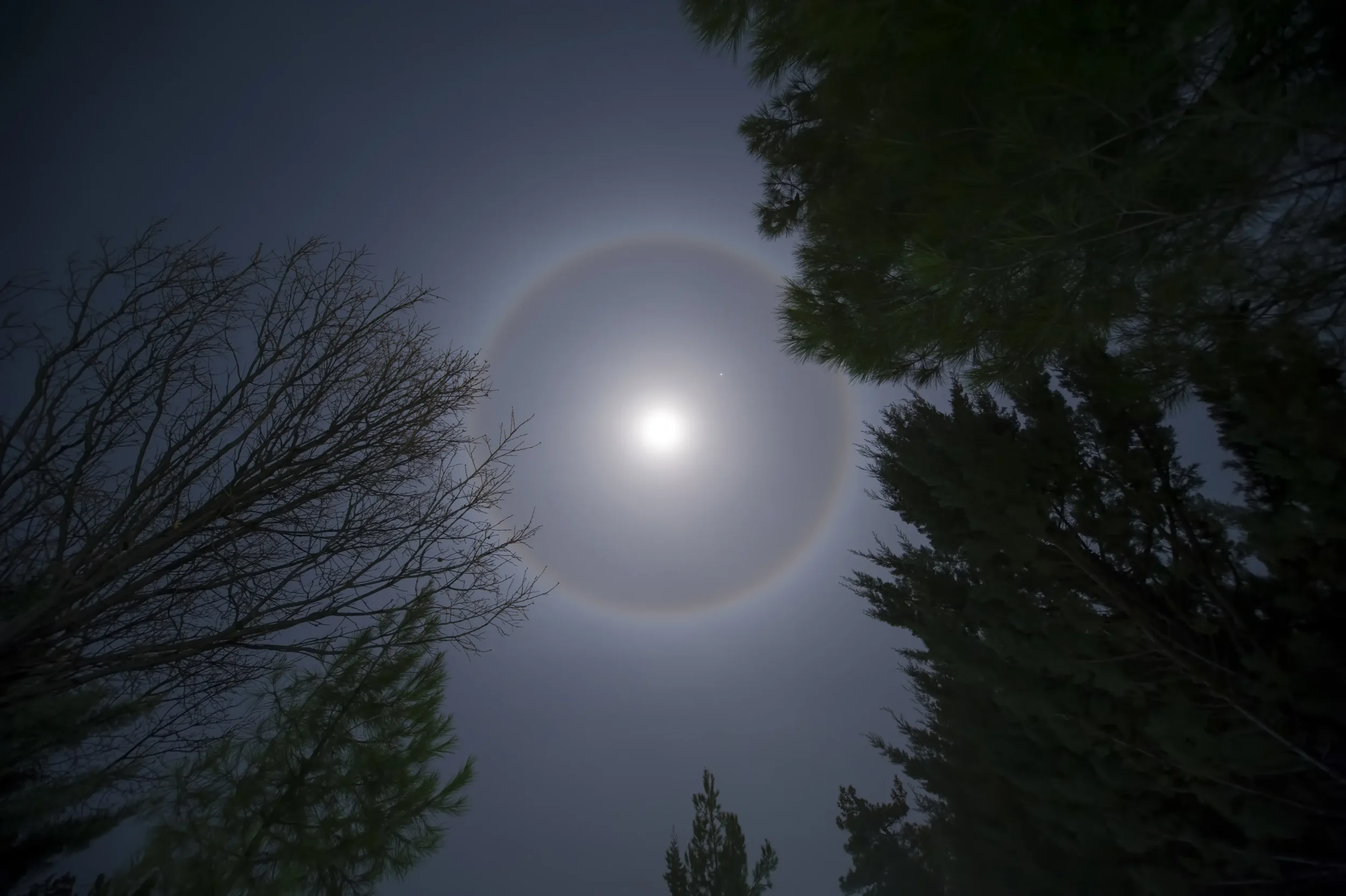
Moon Halo; Photo From: IFLScience
Moon Halos
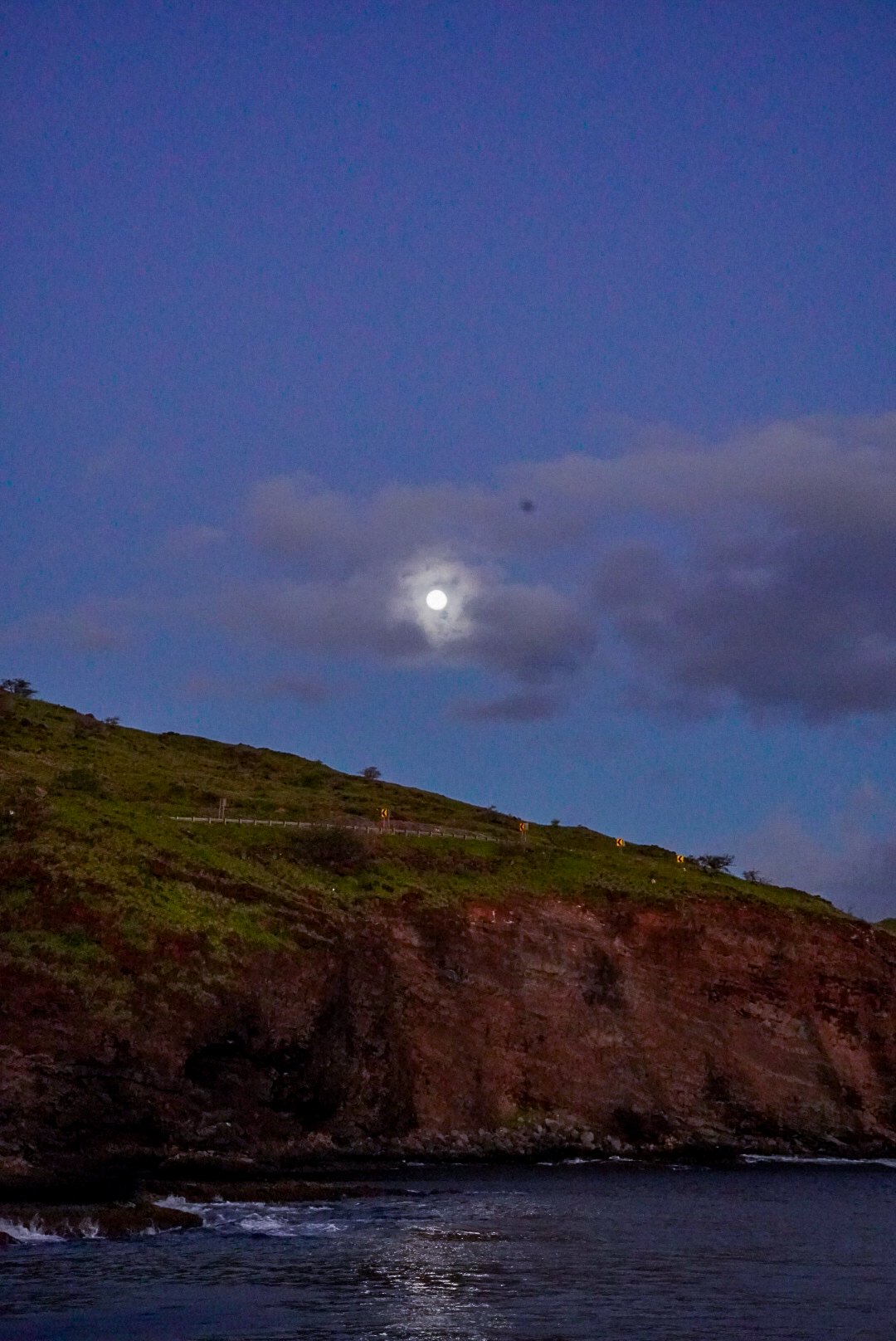
Another beautiful sight is a moon halo—a glowing ring surrounding the Moon.
Unlike a moonbow, a halo isn't created by rain. Instead, it's formed when moonlight passes through millions of tiny ice crystals high in cirrus clouds, bending the light into a nearly perfect circle around the Moon.
On Maui, moon halos are fairly common during periods of high, thin clouds. While many people see them simply as beautiful rings in the sky, they've inspired weather folklore around the world because they often appear ahead of approaching weather systems.
Mahina: The Moon in Hawaiian Culture
Long before telescopes, satellites, or modern astronomy, Native Hawaiians were expert observers of the night sky.
The Moon—known as Mahina in Hawaiian—was far more than a beautiful object overhead. It served as a calendar, a clock, a guide for ocean navigation, and a way of understanding the natural rhythms of the world.
Rather than separating people from nature, the Hawaiian lunar calendar encouraged living in harmony with it.
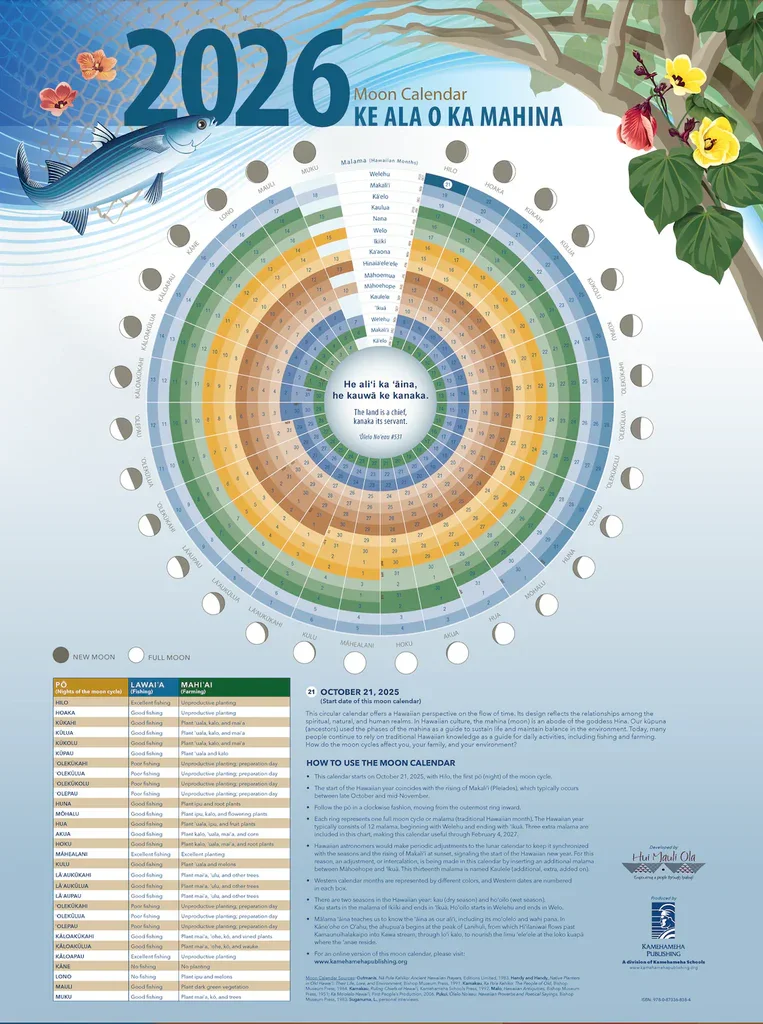
Ke Ala o ka Mahina Moon Calendar 2026; From: Native Books
The Hawaiian Lunar Calendar
Unlike the 12-month Gregorian calendar used throughout much of the world today, Native Hawaiians followed a lunar calendar based on the Moon's nightly cycle.
Each lunar month contained 30 named moon phases, with every night carrying its own name and significance.
These moon nights helped determine the best times to:
Fish
Plant crops
Harvest food
Travel
Hold important ceremonies
Instead of viewing every day as the same, Hawaiians understood that nature follows rhythms—and the Moon was one of its greatest timekeepers.
Many fishermen still pay attention to moon phases today because they can influence tides, currents, and the behavior of marine life.
Navigating the Pacific
Perhaps nowhere was the Moon more important than at sea.
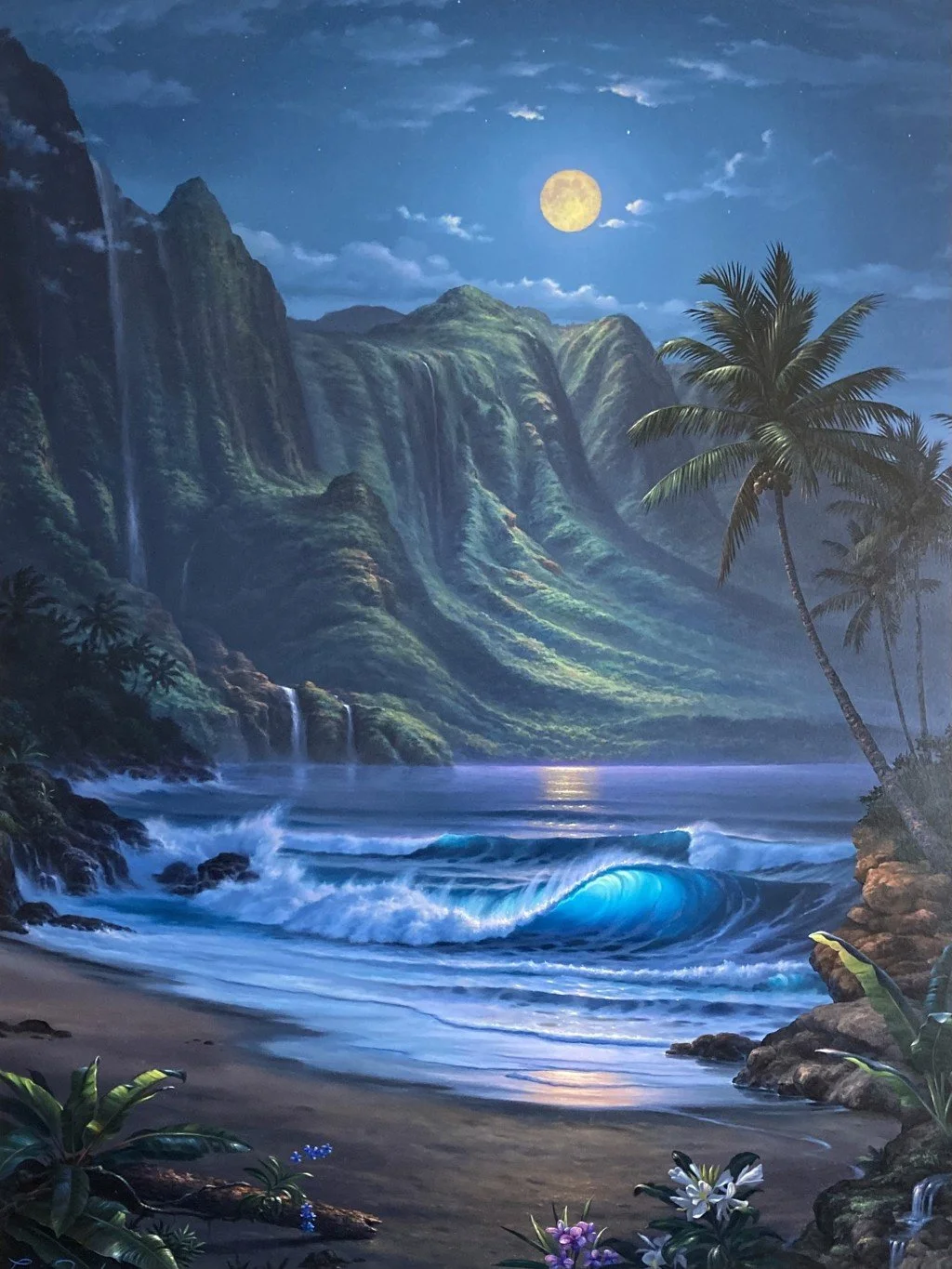
Lance Fairly- Moon Over Hawaii; Island Art Galleries
Centuries before compasses or GPS existed, Polynesian voyagers crossed thousands of miles of open ocean to reach the Hawaiian Islands using only the natural world around them.
They memorized the rising and setting points of the Sun, Moon, and stars. They read the direction of ocean swells, the winds, cloud formations, and even the flight patterns of birds to maintain their course across the Pacific.
The Moon was one piece of an incredibly sophisticated system of navigation that allowed Polynesians to accomplish one of humanity's greatest feats of exploration. Today, traditional wayfinding continues to be practiced, preserving this remarkable knowledge for future generations.
A Living Relationship with Nature
One of the most remarkable aspects of the Hawaiian lunar calendar is that it wasn't simply about measuring time.
It was about paying attention. Watching the Moon meant observing the ocean. Watching the tides meant understanding the fish. Watching the seasons meant knowing when to plant and when to harvest.
The Moon became a reminder that everything in nature is connected, and that living well begins with learning to observe the world around us.
Even today, whether you're sailing with us on the water or simply watching moonlight shimmer across the Pacific, that connection is easy to feel.
The Moon Through the Eyes of Ancient Civilizations
Long before scientists understood gravity or telescopes revealed the Moon's cratered surface, people around the world looked to the night sky and wondered the same things we do today.
Where did the Moon come from?
Why does it change shape?
Why does it seem to influence the ocean—and perhaps even us?
Without modern science, many cultures answered these questions through stories. Some saw the Moon as a goddess. Others believed it watched over travelers or guided the seasons. Across continents and centuries, one thing remained remarkably consistent: The Moon became one of humanity's greatest storytellers.
Luna: The Roman Moon Goddess
To the ancient Romans, the Moon wasn't simply a celestial object—it was a goddess.
Her name was Luna, and each night she was believed to guide the Moon across the heavens in a gleaming silver chariot pulled through the sky. While the Sun brought daylight under the watch of Sol, Luna ruled the night, illuminating the darkness and marking the passage of time.
The Moon's dependable cycle made Luna a symbol of rhythm, renewal, femininity, and the natural order of the world. Farmers watched her to help track the seasons. Travelers relied on her light to guide their journeys after sunset. Poets and artists celebrated her beauty, while philosophers wondered about her mysterious influence over the Earth.
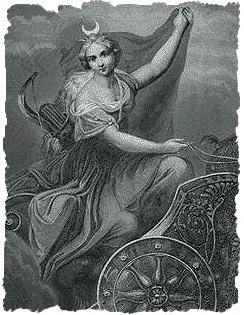
The Roman Goddess Luna; Photo from Buzzing Bee Blog
More than two thousand years later, Luna's legacy is still woven into our language.
The word lunar simply means "relating to the Moon," and it comes directly from her name.
So do the words lunatic and lunacy.
For centuries, many people believed that the Full Moon could influence human behavior, causing people to act irrationally or emotionally. Someone behaving strangely was thought to be "moon-struck"—affected by Luna herself. This belief became so widespread that by the Middle Ages, the word lunatic was commonly used to describe someone believed to be mentally unstable.
Today, modern science has found no convincing evidence that Full Moons cause people to become irrational or mentally ill, and terms like lunatic are now understood as outdated and inappropriate in medical contexts. Yet the words remain a fascinating reminder of how deeply the Moon shaped human thought for thousands of years.
It's remarkable to think that every time we use words like lunar, lunacy, or even the phrase "once in a blue moon," we're echoing humanity's long relationship with our closest celestial neighbor.
Selene: The Greek Personification of the Moon
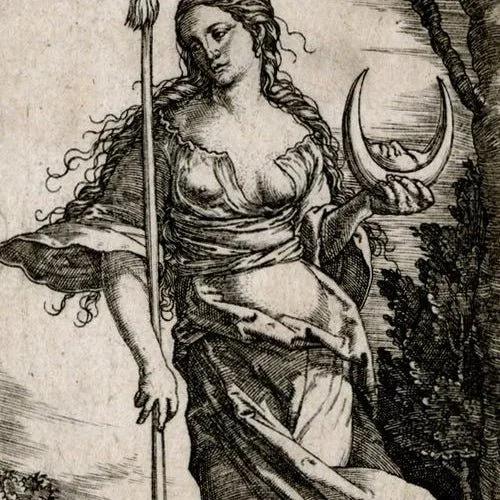
Photo from Dixi, A Brief History of Selene; Goddess of the Moon
Before the Romans told stories of Luna, the ancient Greeks looked to the night sky and saw Selene, the divine embodiment of the Moon itself.
Unlike many Greek gods who represented ideas or forces of nature, Selene was the Moon. Every evening, she was believed to rise from the eastern horizon in a silver chariot drawn by two white horses—or, in some stories, winged steeds—and carry the Moon across the heavens until dawn.
To the Greeks, Selene's steady journey symbolized the passing of time and the dependable rhythm of nature. Her monthly cycle became closely associated with fertility, renewal, and the changing seasons, making her one of the most enduring figures in Greek mythology.
One of Selene's most famous legends tells of her love for the mortal shepherd Endymion. According to the myth, Selene fell deeply in love with his beauty. Zeus granted Endymion eternal sleep so he would never grow old, allowing Selene to visit him each night beneath the Moon's glow.
The story has inspired artists, poets, and musicians for centuries, becoming one of mythology's most enduring tales of eternal love.
Artemis: The Huntress Beneath the Moon
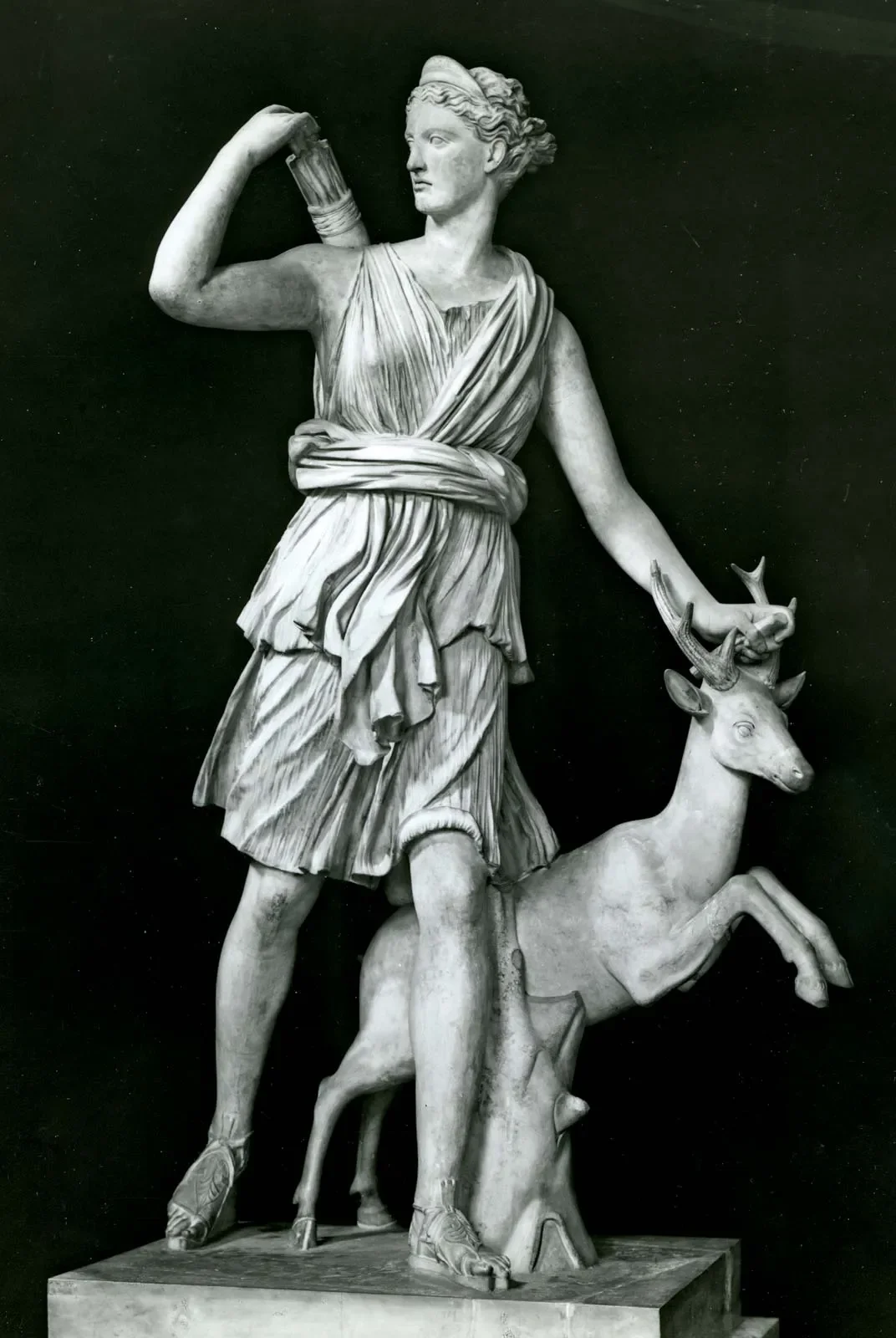
Artemis as a huntress, Classical sculpture; in the Louvre, Paris. Photo from Britannica
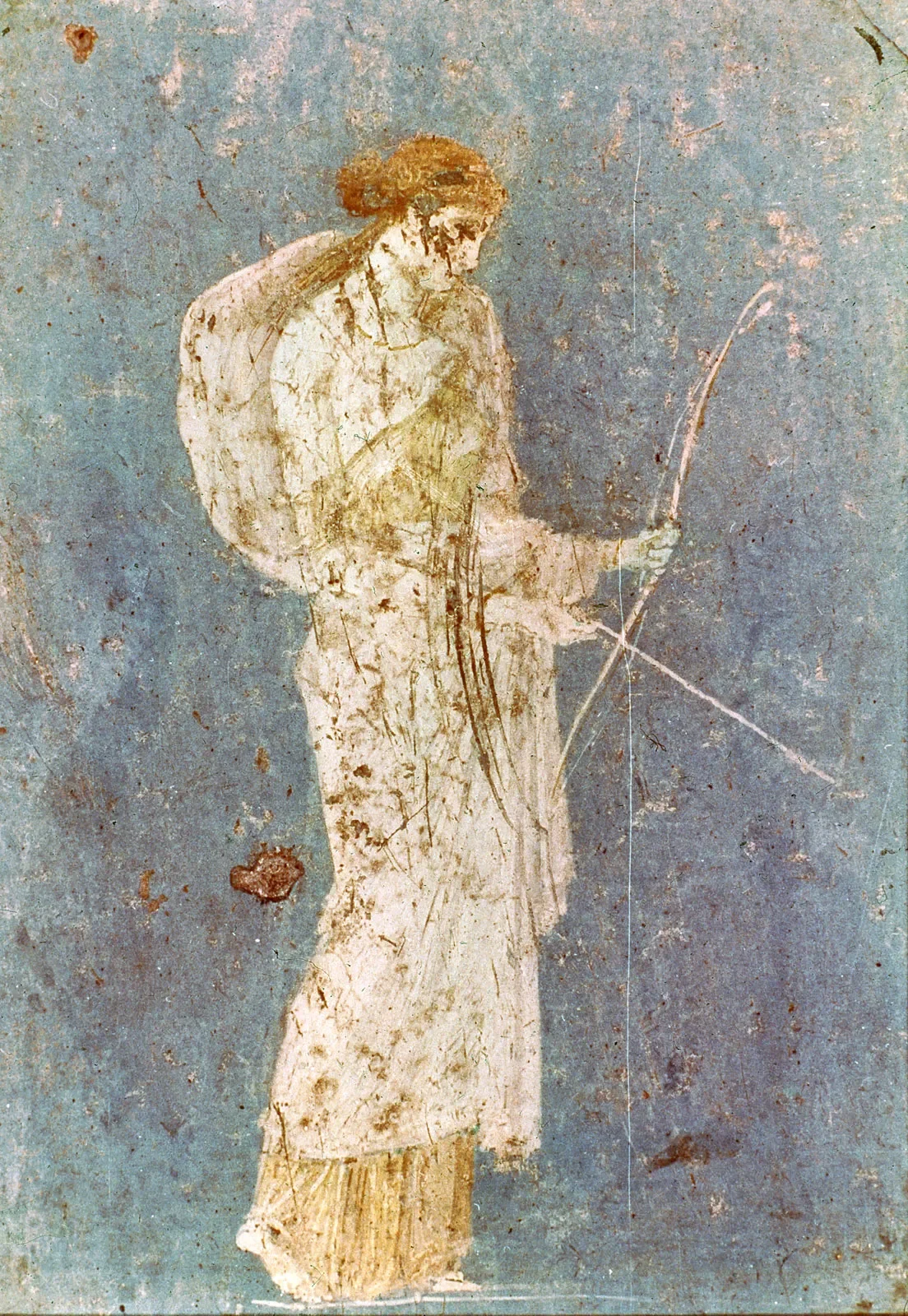
Artemis, wall painting from Stabiae; in the Museo Archeologico Nazionale, Naples. Photo from Britannica
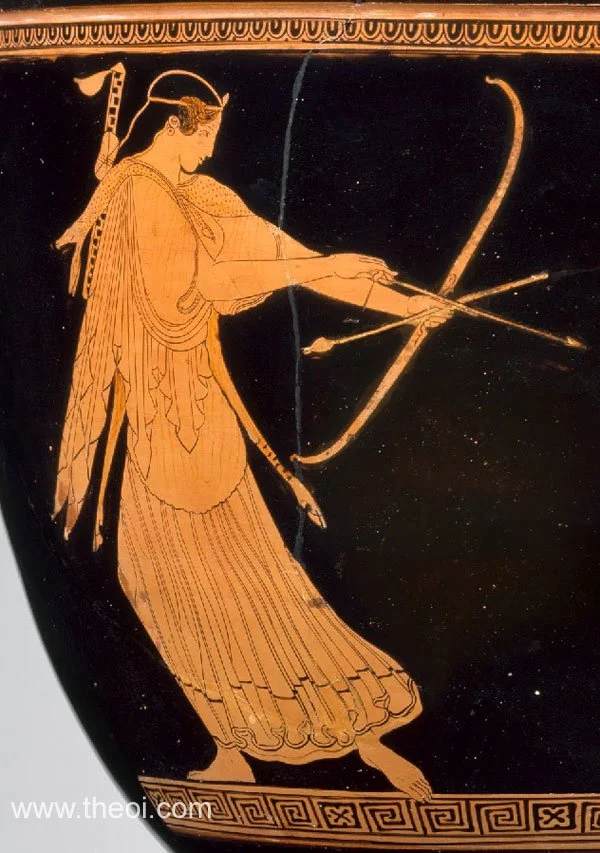
Artemis, Athenian red-figure bell krater C5th B.C., Museum of Fine Arts Boston
While Selene was the Moon, another Greek goddess became closely connected with its light.
Artemis, goddess of the hunt, wilderness, wildlife, and protector of young women, was often depicted carrying a bow beneath the glow of the Moon as she roamed forests and mountains.
As Greek mythology evolved, Artemis became increasingly associated with moonlight itself. Her connection wasn't rooted in astronomy as much as symbolism. The Moon illuminated the wild places she called home, guiding hunters, travelers, and those who ventured beyond the safety of the city after sunset.
Because the Moon waxes, wanes, and is continually renewed, Artemis also came to symbolize independence, growth, and the ever-changing cycles of nature. Today, countless works of art still portray Artemis standing beneath a crescent moon—a symbol that has endured for more than two thousand years.
The Rabbit in the Moon
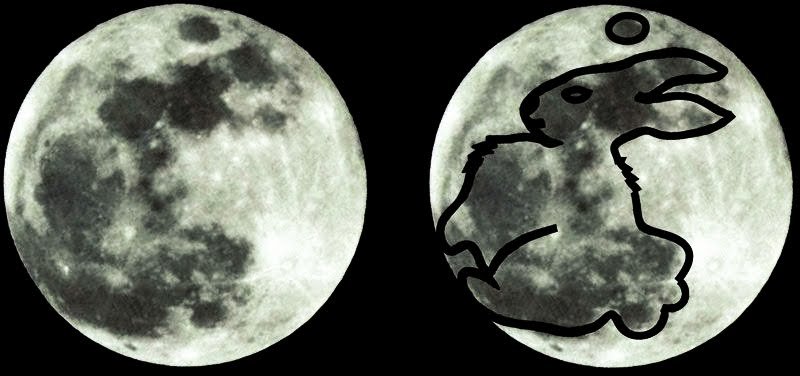
Look closely at a Full Moon, and you might notice dark patches scattered across its surface. Depending on where you grew up, those markings may resemble different shapes.
Across much of Europe and North America, people traditionally see the "Man in the Moon." But throughout East Asia, many people see something entirely different: A rabbit.
In Chinese mythology, the Moon is home to Chang'e, the Moon goddess who drank an elixir of immortality and ascended to the heavens. She is accompanied by the Jade Rabbit, who spends eternity preparing the elixir of life with a mortar and pestle. The Moon remains central to one of Asia's most beloved celebrations—the Mid-Autumn Festival—when families gather beneath the Full Moon to celebrate reunion, gratitude, and the harvest.
It's a beautiful reminder that while we all look up at the same Moon, every culture has found its own stories reflected in its light.
One Moon, Countless Stories
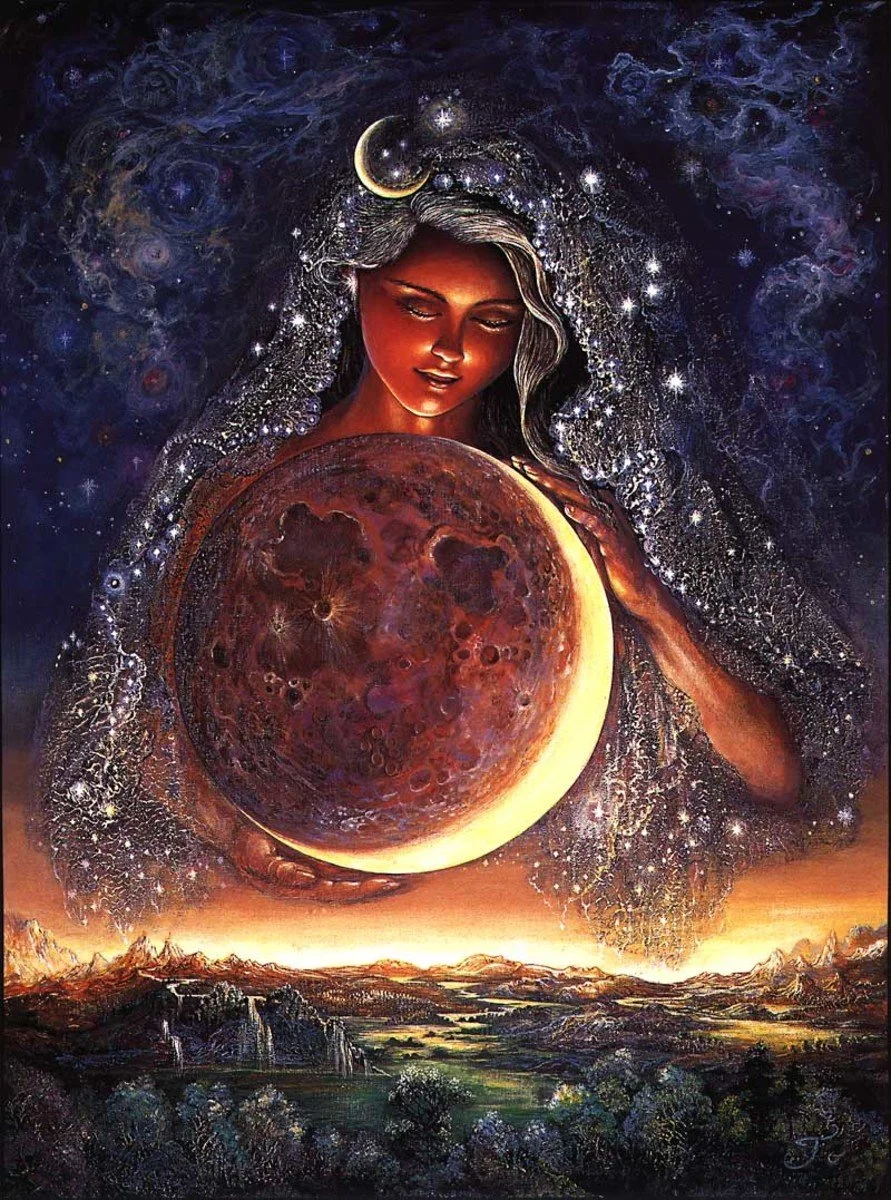
Photo from HubPages; © 2009 Kathryn Vercillo
The Moon has inspired wonder for as long as humans have looked toward the night sky. To the Romans, she was Luna, guiding the Moon across the heavens. To the Greeks, she was Selene, faithfully crossing the sky each night, while Artemis embodied the wilderness illuminated by moonlight. In China, the Moon became home to Chang'e and the Jade Rabbit. Across Europe, people imagined the Man in the Moon, while Indigenous cultures around the world used the Moon to measure seasons, guide travel, and mark the passage of time.
Although every civilization interpreted the Moon differently, they all shared one thing in common: They looked up and found meaning in it.
Some found gods. Some found stories. Some found a calendar. Others simply found wonder.
Perhaps that's the Moon's greatest gift. It reminds us that no matter where we come from, we all share the same sky. If civilizations across the world believed the Moon influenced life on Earth, it raises one final question—one that continues to spark both scientific research and human curiosity: could the Moon influence us, too?
Does the Moon Affect Humans?
For thousands of years, people have looked at the Moon and asked the same question:
If it can move the oceans... could it also influence us?
It's not a strange question.
The Moon's gravitational pull raises and lowers Earth's oceans every single day, creating the tides that shape our coastlines and influence marine ecosystems around the world.
The Moon's gravitational pull raises and lowers Earth's oceans every single day, creating the tides that shape our coastlines and influence marine ecosystems around the world.
Water has always been fundamental to life on Earth. According to the leading scientific understanding, the earliest forms of life are believed to have emerged in Earth's ancient oceans billions of years ago. Regardless of how one understands the origins of life, the connection between water and life is undeniable.
The average adult body is made up of roughly 60% water, while our blood, tears, sweat, and every living cell rely on water and dissolved salts to function. So it's only natural to wonder:
If the Moon has helped shape our planet for billions of years, could it be shaping us in ways we don't yet fully understand?
The honest answer is... We don't know. Or more accurately, we don't know completely.
Researchers have spent decades studying whether the Moon influences human sleep, mood, behavior, reproduction, or other biological rhythms. Some studies have found subtle correlations, while many others have found no meaningful relationship. At this point, there is no scientific consensus that lunar phases directly affect human physiology or behavior.
But a lack of consensus isn't the same thing as having every answer. Science is a process of asking questions, testing ideas, and following the evidence wherever it leads. Throughout history, many things once thought impossible later became accepted science, while others were ultimately disproven. For now, the Moon's relationship with humanity remains one of those questions that continues to spark curiosity.
The Moon and Women's Cycles
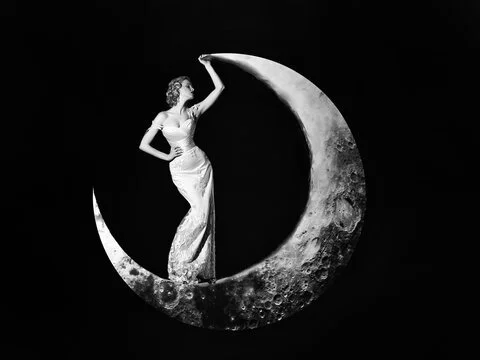
Woman Moon Images; Stock Photos
Perhaps the most well-known connection is between the Moon and the menstrual cycle.
The comparison is easy to understand. A lunar cycle lasts about 29.5 days, while the average menstrual cycle is approximately 28 days. Across countless cultures, this similarity has linked the Moon with femininity, fertility, motherhood, and renewal.
Some modern studies have explored whether certain menstrual cycles may align with lunar phases under specific conditions, while many others have found no consistent relationship. At present, researchers have not reached a scientific consensus. Even so, the symbolic connection between women and the Moon has endured for thousands of years, becoming one of the oldest and most widespread associations found across human cultures.
A Mystery That Still Inspires Wonder
Tonight, step outside and look up.
Maybe you'll see a thin crescent hanging just above the horizon. Maybe it's a brilliant Full Moon reflecting across the Pacific. Or perhaps it's somewhere in between. Whatever phase you find, you'll know exactly what you're looking at.
But perhaps you'll see something else, too.
A celestial companion that has circled Earth for billions of years.
A Moon that guided Polynesian wayfinders across the largest ocean on Earth. One that helped Native Hawaiians measure time through Mahina, inspired Roman and Greek mythology, shaped languages around the world, and continues to spark questions that science is still exploring today.
Whether you're watching moonlight dance across the water from the shore or sailing on Maui beneath a clear night sky, you're sharing the same Moon that countless generations have admired before you.
Some mysteries have been solved. Others continue to inspire curiosity. And perhaps that's what makes the Moon so remarkable.
No matter how much we learn about it, it never stops inviting us to look up.
Want to learn how to identify the constellations year-round on Maui? Click here.
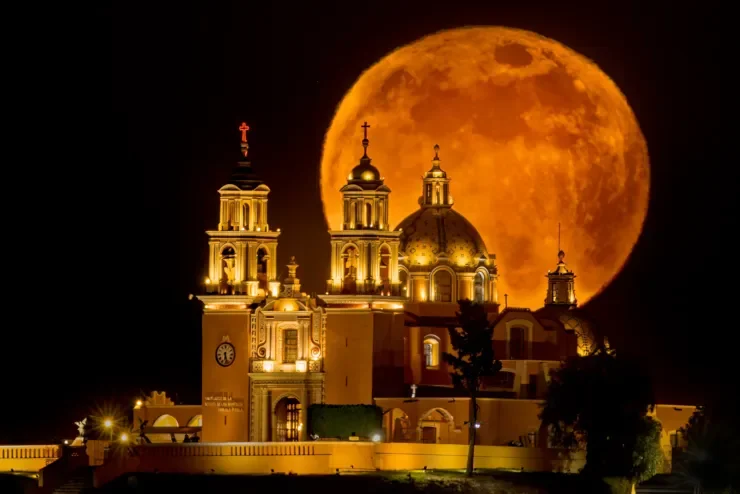
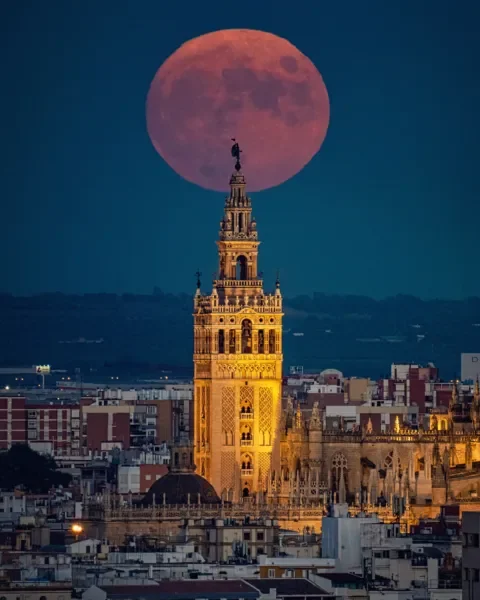
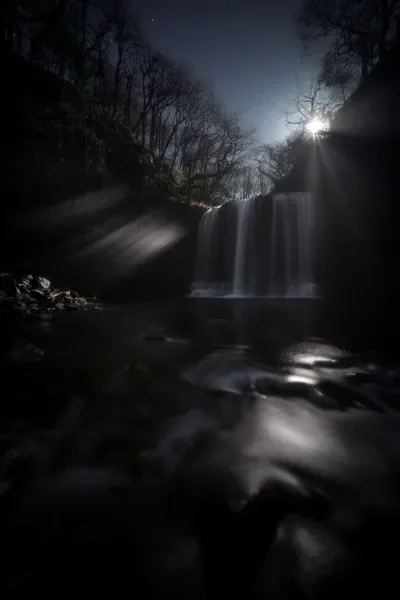
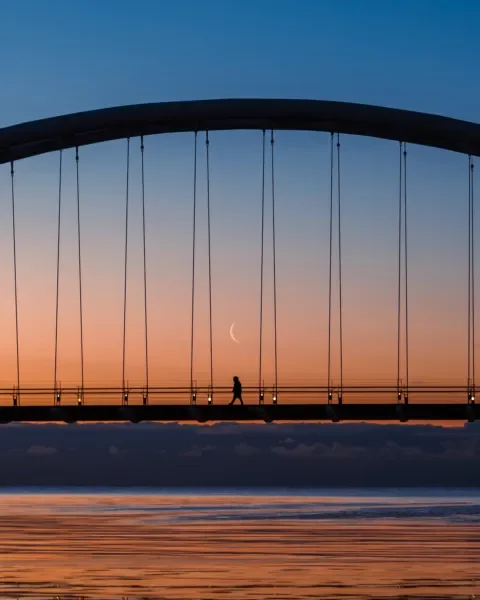
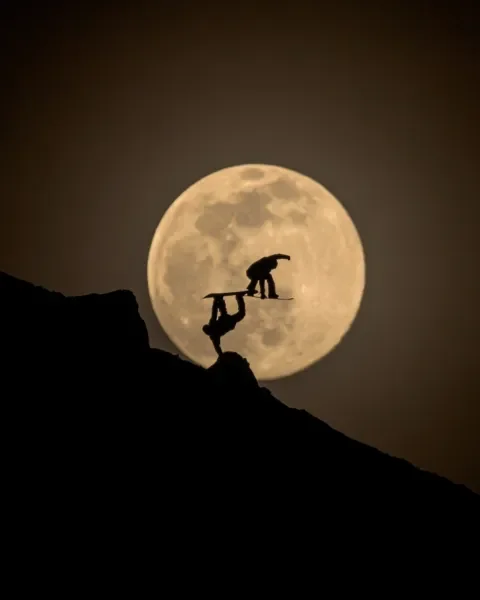
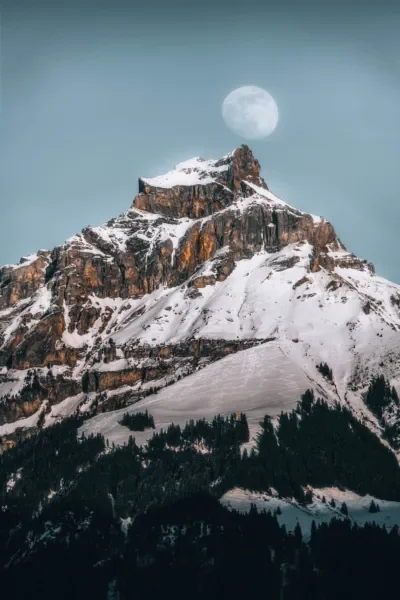
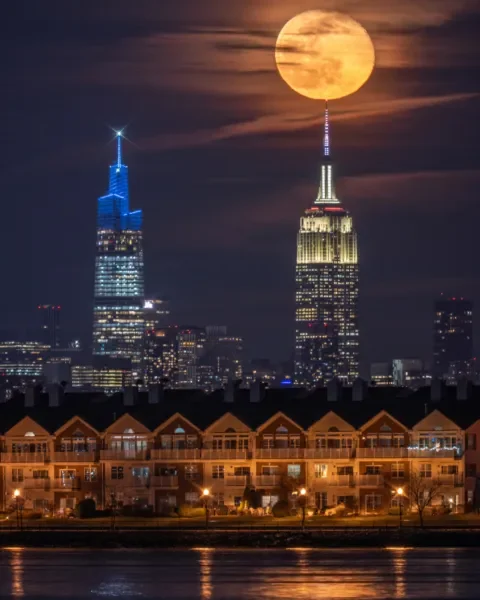
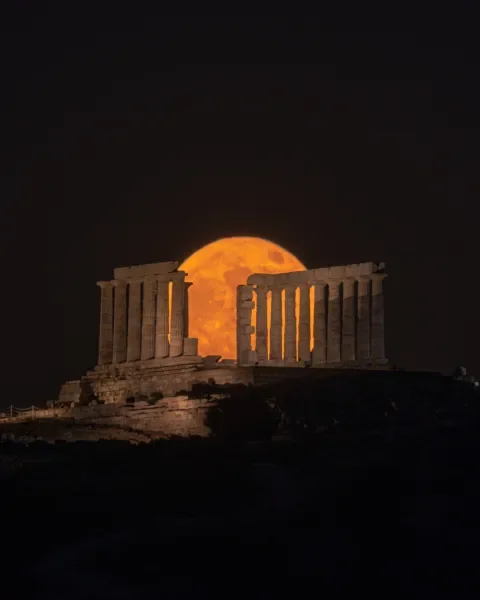
Photos from PhotoPills and Trilogy Excursions