Stargazing on Maui — A Beginner’s Guide to Finding Constellations
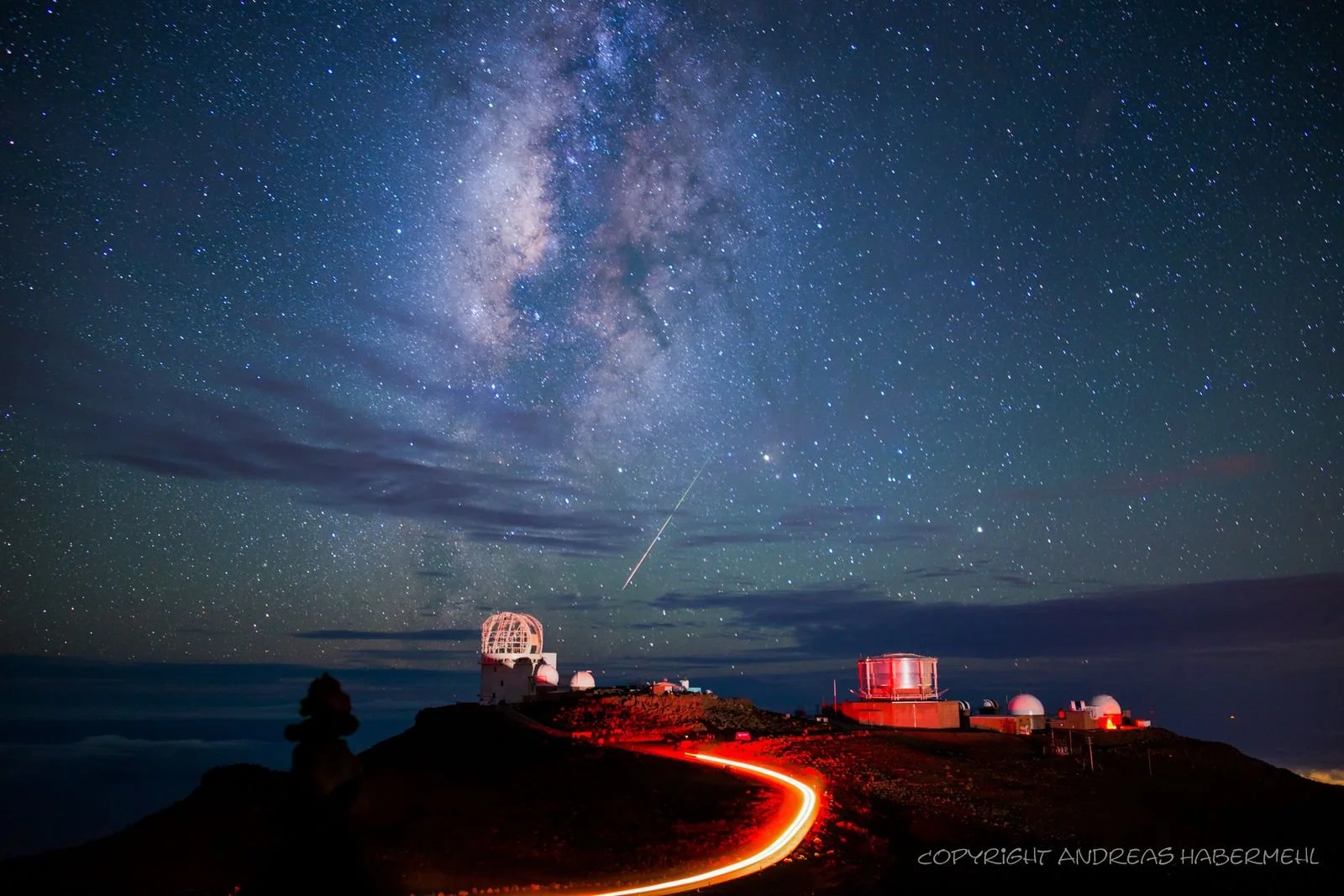
Milky Way from Haleakalaʻs Crater | Photo by Andreas Habermehl
Away from the shoreline lights, you start to notice what people have relied on for generations—the steady rise and fall of stars along the horizon. Long before compasses or GPS, Polynesian navigators crossed thousands of miles of open ocean using the night sky as their guide.
They didn’t see random points of light. They saw structure. Direction. Memory.
This guide is a simple place to begin. If you’re standing on deck after sunset on Maui, here’s how to start recognizing what’s above you—and how those same stars once helped guide voyagers across the Pacific.
˙⋆✮
𖤐
⋆.˚ ☾⭒.˚
˙⋆✮ 𖤐 ⋆.˚ ☾⭒.˚
how to read the night sky
Before jumping into constellations, a few basics make everything easier:
Face the horizon first
Stars rise in the east and set in the west, just like the sun.Give your eyes time
It takes about 20 minutes for your eyes to fully adjust to darkness.Look for patterns, not individual stars
Constellations are shapes. Start with the brightest stars and connect them.Use the ocean as your reference line
On Maui, the horizon is clear—this makes it easier than most places.
Seasonal Constellation Guide (From Maui)
Because of Maui’s location (about 20° north latitude), you can see both northern and some southern sky constellations—something most mainland travelers never experience.
Winter Sky (December – February)
Orion (Ka Heihei o nā Keiki)
If you can find Orion, you can find almost everything else in this guide.
Step-by-step:
Face the open ocean after sunset
Look for three bright stars in a straight line
That line is Orion’s Belt
Pause here. This is your anchor.
From there:
A rectangle of stars forms his shoulders, knees, and bow & arrow
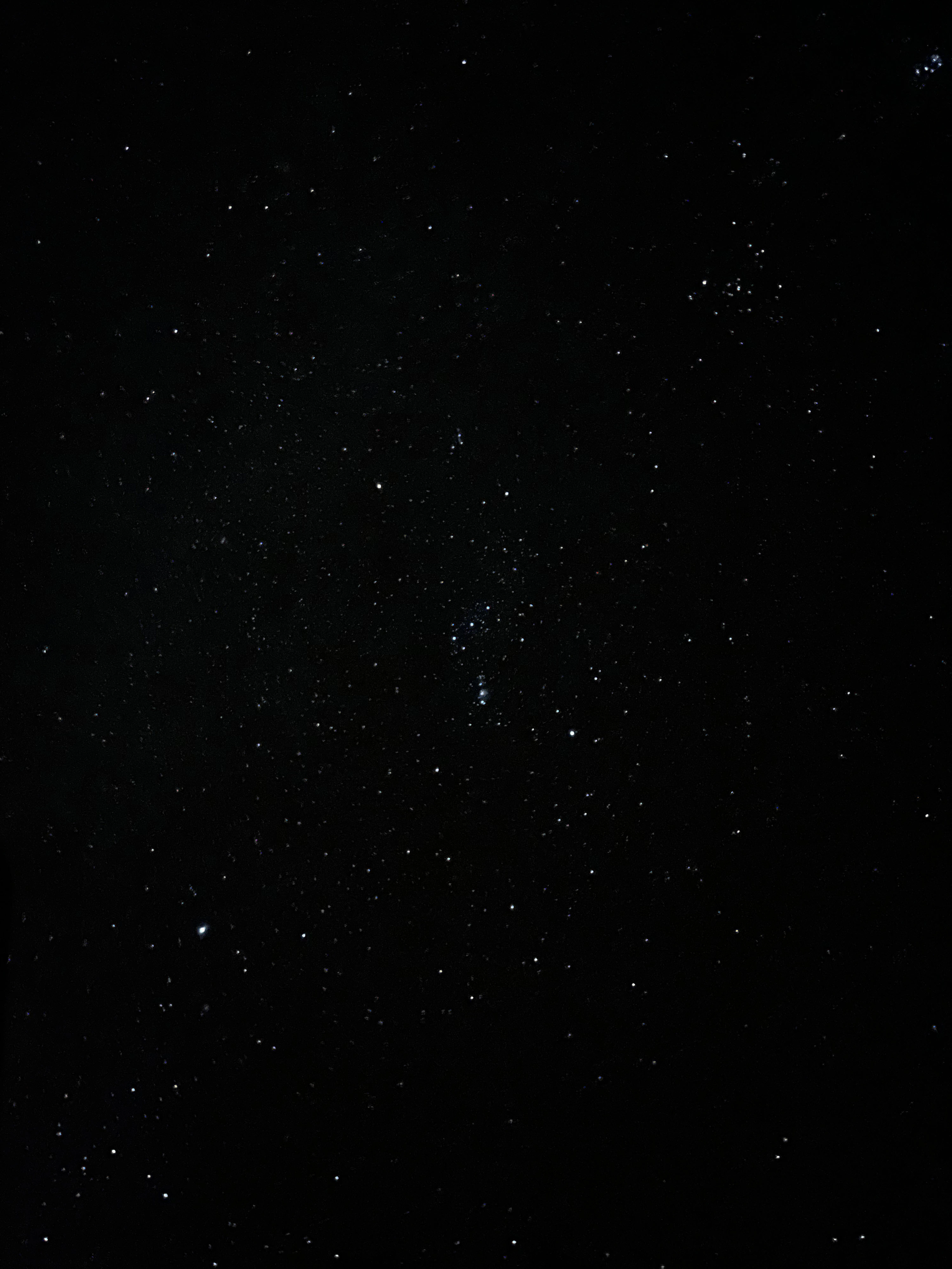
Photo From: Curran Jones
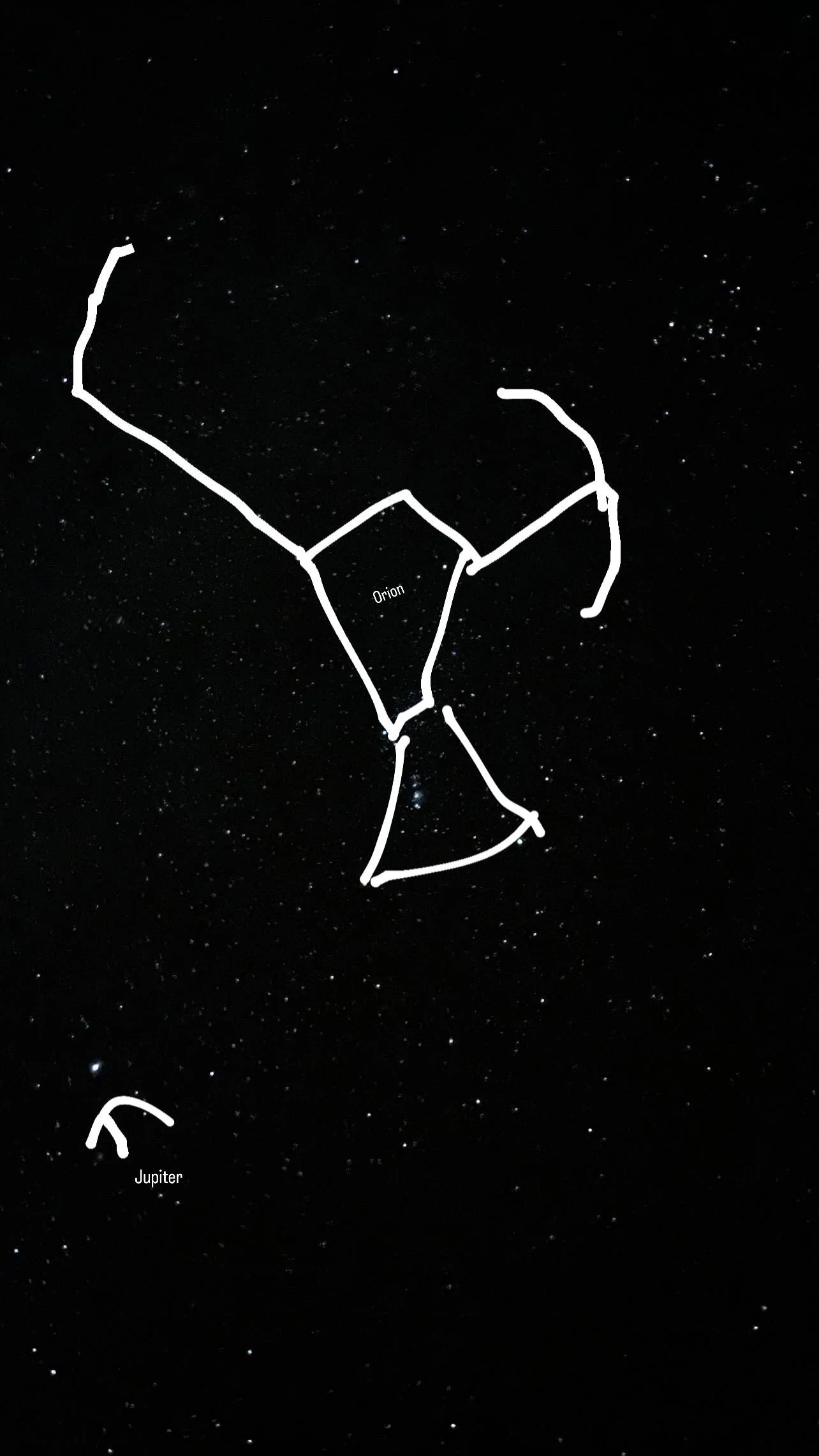
Photo From: Curran Jones; imperfect drawing to give general idea
Finding Taurus
Step 1: Find Orion’s Belt
Step 2: Now follow that line upward and to the RIGHT
You’ll land on → A V-shaped group of stars
That’s Taurus.
What helps confirm it:
One star looks slightly orange/red (Aldebaran)
In Hawaiian star knowledge, Orion and Taurus are part of the same rising system—appearing together in seasonal sky patterns.
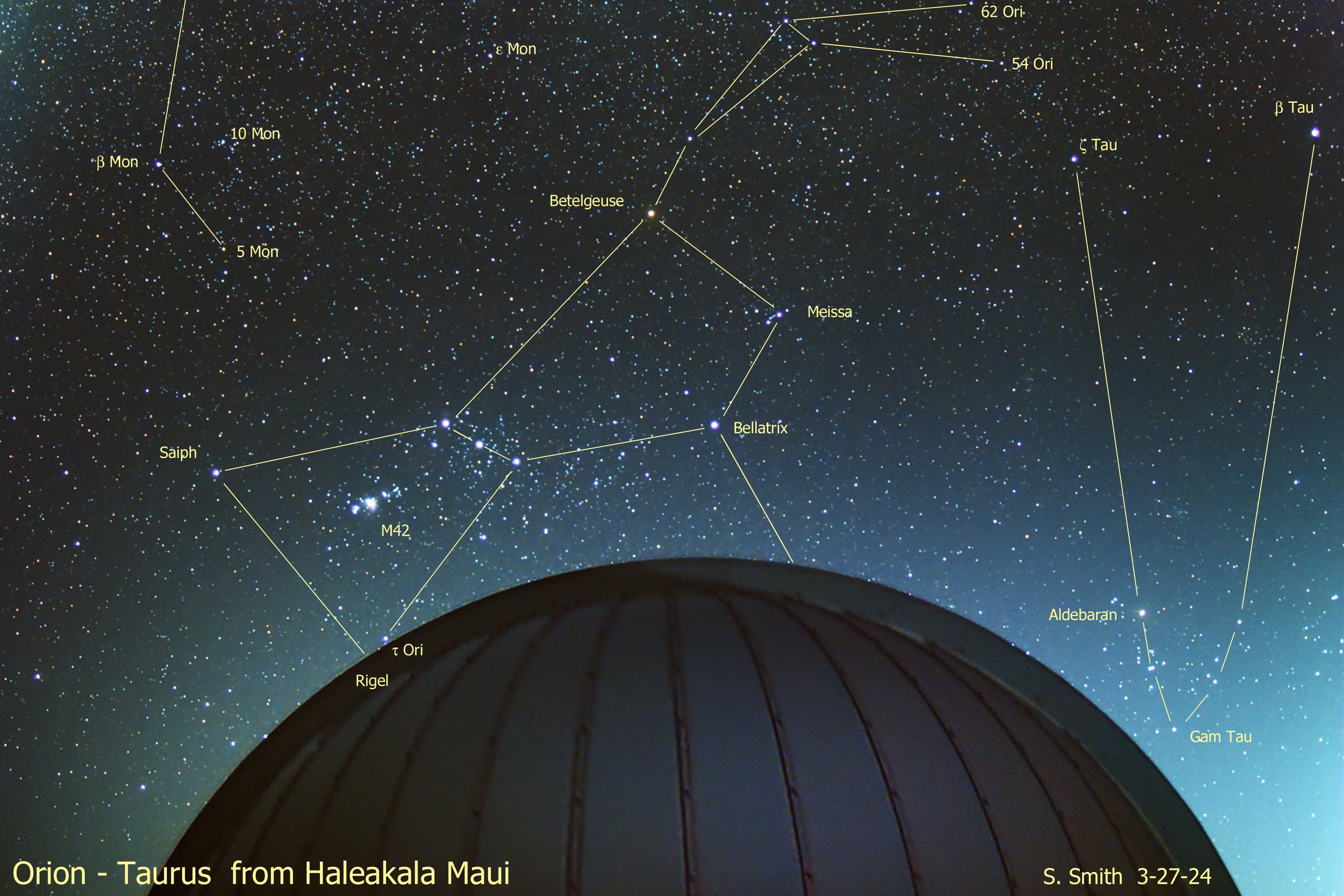
Photo From: https://doublestar.home.blog/constellations/
Pleiades (Makaliʻi)
Now stay where you are.
From Taurus:
Look just above the V-shape
Slightly higher in the sky
Youʻll See:
A tight cluster of small stars
That’s:
→ Pleiades (Makaliʻi)
This cluster has multiple traditional names, including: Nā Huihui o Makaliʻi (“the cluster of Makaliʻi”)
What it actually looks like:
Not a clear shape at first
More like a small shimmer or blur
Cultural grounding:
The rising of Makaliʻi marked the beginning of the Makahiki season, a time tied to harvest and renewal.
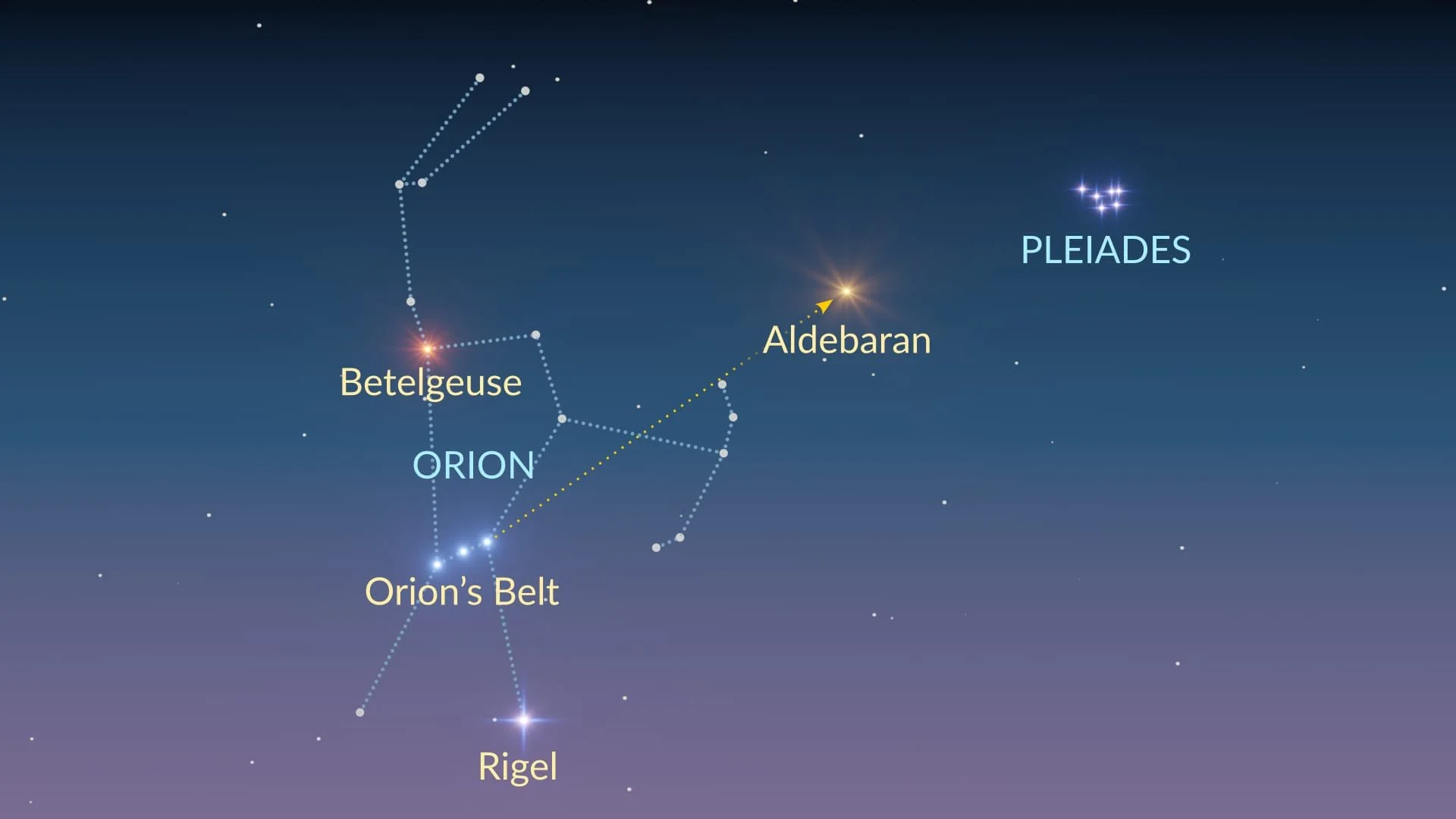
Photo From: https://animalia-life.club/qa/pictures/pleiades-constellation-map
quick recap so far
Stand facing west after sunset.
Find three stars in a straight line (Orion’s Belt).
Without moving your feet, lift your gaze slightly upward and to the right.
You’ll see a wider V-shape—that’s Taurus.
Just above that, look for a faint cluster that almost looks like a smudge. That’s Makaliʻi (Pleiades).
what you just did
Without realizing it, you followed a navigation pattern:
Orion → reference point
Taurus (Aldebaran) → directional marker
Makaliʻi → seasonal indicator
This is exactly how wayfinders read the sky—not as isolated constellations, but as connected markers moving together.
Spring Sky (March-May)
By spring, Orion begins to set earlier in the evening—but you can still use it as your starting point just after sunset.
Once you’ve found Orion, we’re going to move to a new part of the sky.
Finding Leo (Ka Leo)
Step-by-step:
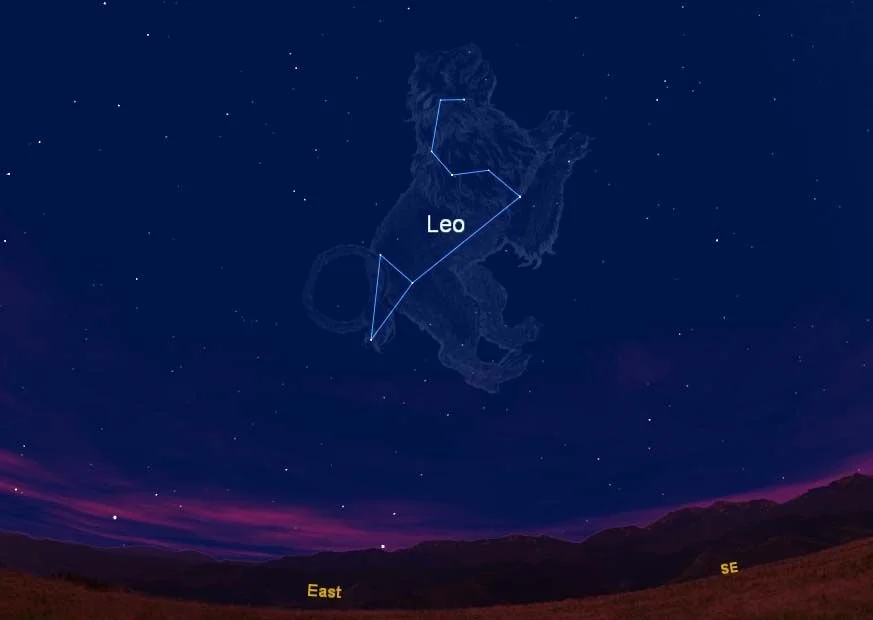
Photo From: https://www.space.com/16845-leo-constellation.html
Find Orion’s Belt low in the western sky (earlier in the evening)
Now turn your body slightly left (toward the east)
Lift your gaze higher into the sky
You’re looking for:
→ A shape that looks like a backwards question mark
That curved shape forms the head of Leo
What helps confirm it:
A bright star at the base of the question mark = Regulus
A faint triangle trailing behind = the lion’s body
What this teaches:
You’re now moving away from Orion, learning to expand your field of view—exactly how navigators build awareness across the sky.
Summer Sky (June – August)
Now Orion is mostly gone from the evening sky. This is where people feel lost—so we switch anchors.
Finding Scorpius (Ka Makau Nui o Māui)
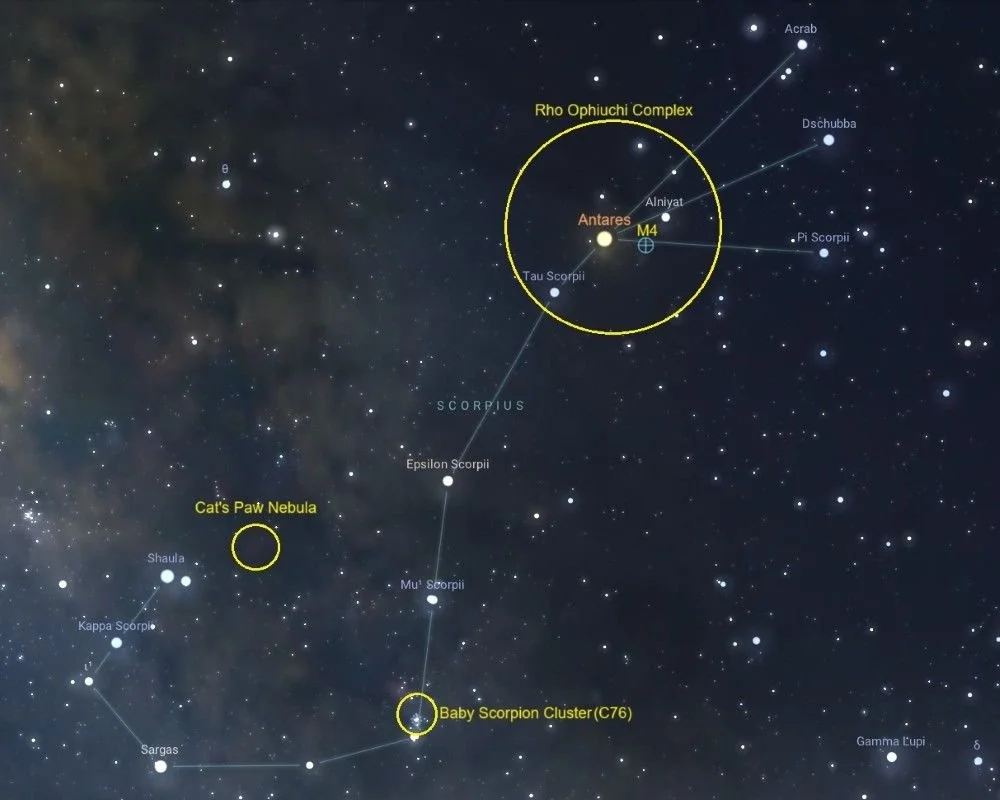
Photo From: https://science.nasa.gov/solar-system/skywatching/night-sky-network/july2025-night-sky-notes/
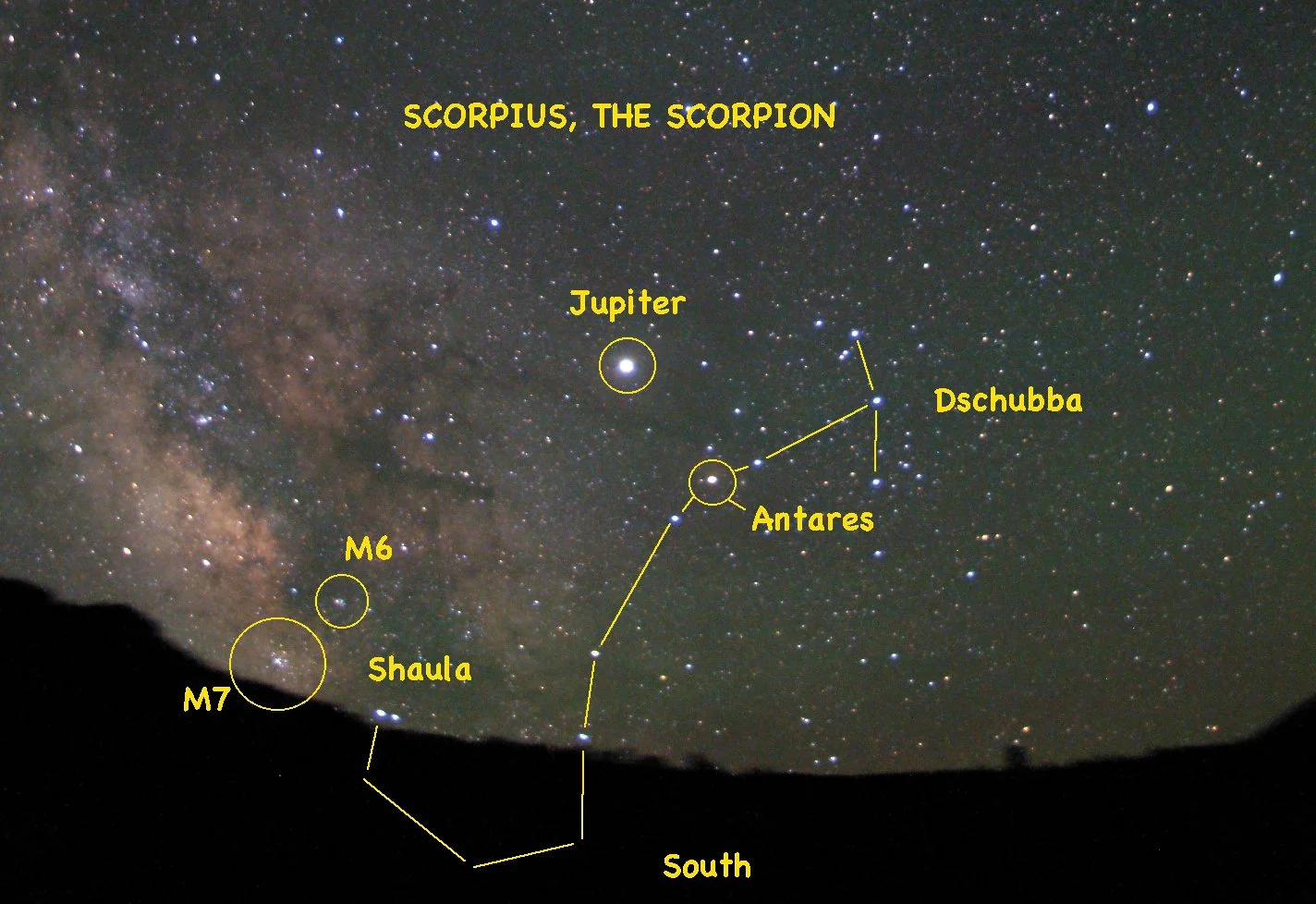
Photo From: https://www.steamboatpilot.com/news/jimmy-westlake-mauis-fishhook/
Step-by-step:
Face the open ocean at night
Look low toward the southern horizon
Scan for a shape that curves like a hook
Take your time—this one stretches across the sky.
You’ll find:
→ A long, curved line of stars that resembles Mauiʻs Fish Hook from Moana
Anchor point:
Look for a bright reddish star near the center
→ This is Antares (Lehuakona)
Cultural grounding:
This shape is known as Ka Makau Nui o Māui — Māui’s great fishhook
It connects to the story of Māui pulling islands from the sea—tying the sky directly back to the ocean.
Finding the Southern Cross (Hānaiakamalama)
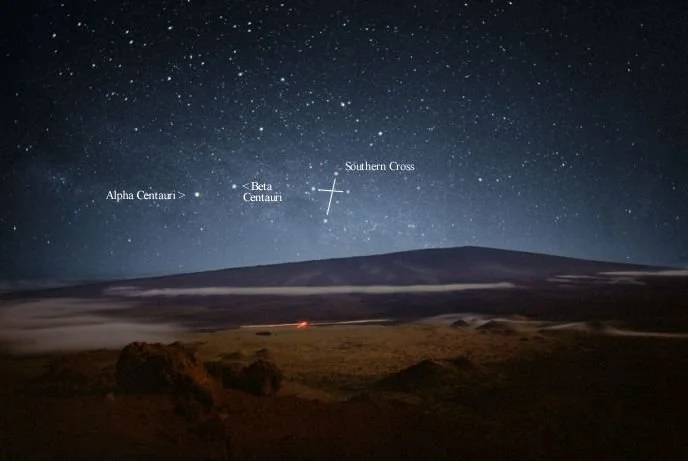
NASA Image: The Southern Cross Constellation
This is one of the most special things you can see on Maui.
The Southern Cross (Hānaiakamalama) doesn’t stay fixed in one season like Orion. On Maui, it appears low along the southern horizon at different times of year—sometimes in the evening, other times late at night or before sunrise.
During the winter months, the Southern Cross is usually not visible right after sunset. Instead, it rises later in the night or appears in the early morning hours before sunrise, which can make it harder to catch unless you’re up late or out early.
As the seasons shift into spring, the timing becomes easier. The Southern Cross begins to rise earlier, and you can start to see it later in the evening, still low on the southern horizon but at a more accessible time for most people.
By early summer, it can be visible in the evening hours, which is often the easiest time for guests to spot it while they’re already outside after sunset. Even then, it never climbs very high—it stays close to the horizon and can be affected by clouds, haze, or ocean conditions.
As the year moves into late summer and fall, the Southern Cross begins to drop lower again and may only be visible briefly or at less convenient times, gradually returning to a late-night or pre-dawn appearance.
Because Maui sits near the northern edge of where the Southern Cross can be seen, its visibility is always a balance of season and time of night. Some nights it’s clear and easy to spot. Other nights, it may sit too low or be hidden entirely.
The key is patience—keep your gaze low along the southern horizon, give your eyes time to adjust, and don’t expect it to look like a large, obvious pattern. When you do find it, it feels a bit like discovering something that isn’t meant to be seen everywhere.
Step-by-step:
Stay facing the southern horizon
Drop your gaze lower—closer to the waterline
Look for a small cross shape
Important:
→ It is smaller than you expect
→ It sits low, not overhead
How to confirm it:
Four main stars forming a cross
Slight tilt depending on time of night
Cultural grounding:
This constellation is part of Hawaiian navigation systems used to define direction across the ocean.
Most visitors from the mainland have never seen this before.
Fall Sky (September – November)
Fall skies are quieter, but this is where you start recognizing patterns more easily.
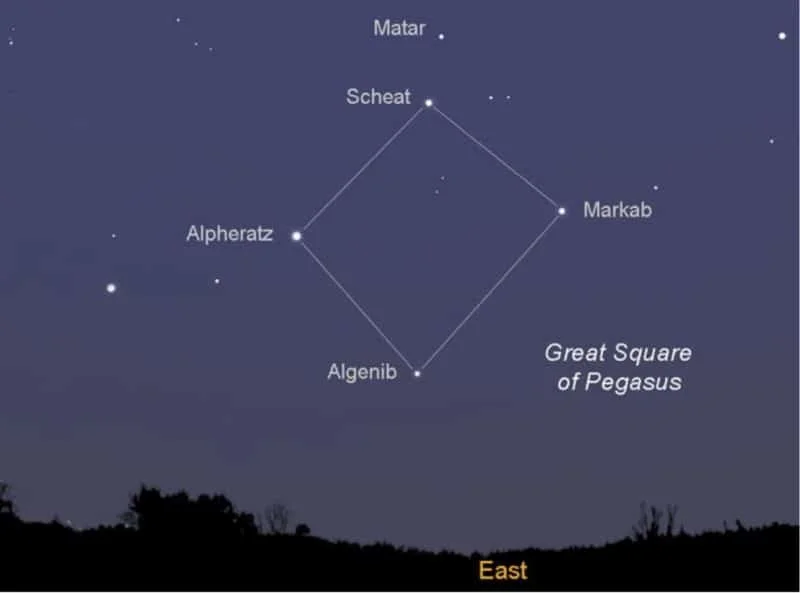
Finding Pegasus
Step-by-step:
Face east after sunset
Look for a large empty-looking square in the sky
This is unusual because:
It’s not dense with stars
It looks like a frame or window
That shape is:
→ The Great Square of Pegasus
What helps confirm it:
Four stars forming a large box
Very open space inside
Northern SKy (year-round)
On Maui, the northern constellations sit differently than they do on the mainland.
They don’t rise high overhead—they stay low, near the horizon, and sometimes partially hidden by haze or light.
Finding the Big Dipper (Part of Ursa Major)
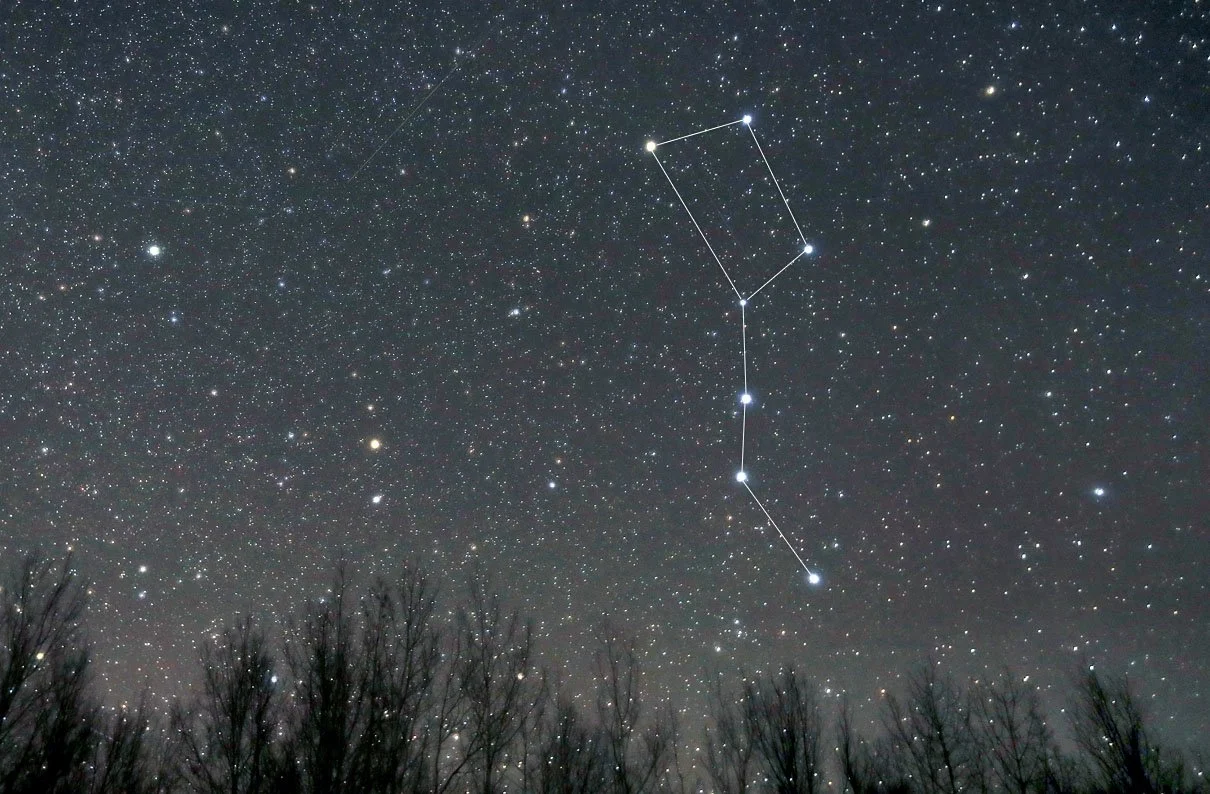
Photo From: https://ar.inspiredpencil.com/pictures-2023/big-dipper-astronomy
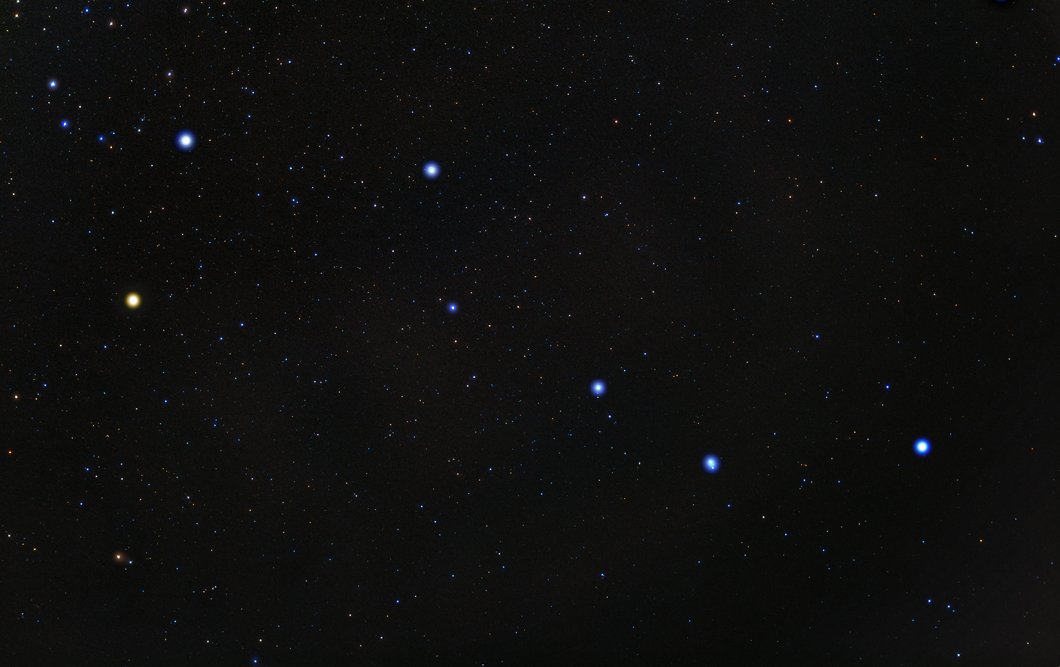
Photo From: https://astrophilippines.blogspot.com/2012/03/constellation-portraits-ursa-major-big.html
Step-by-step:
Turn your body to face north
Keep your gaze low—just above the horizon
Look for:
Four stars that make a crooked box with three stars trailing off one side in a gentle curve
Has also been referenced to look like a small “bowl” of stars with a curved “handle” extending outwards
What helps confirm it:
The shape is larger and more spread out than most constellations
The handle has a gentle curve
important to note for viewing on maui:
It may appear tilted or sideways
It may sit very low, depending on the time of year
You wonʻt always see the full shape clearly
Use the Big Dipper to Find the North Star (Polaris/Hōkūpaʻa)
Once you’ve found the Big Dipper, you can find one of the most important stars in the sky.
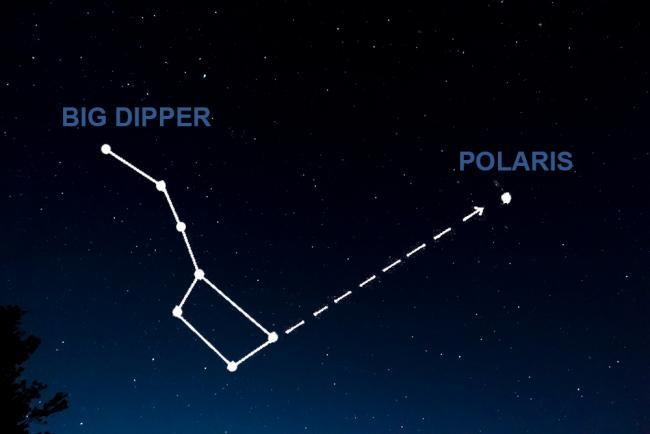
Once you’ve found the Big Dipper, look for the curved line of three stars—that’s the handle.
Now ignore that side and focus on the opposite edge of the shape (the “bowl”).
You’ll see the two stars making up the outer edge of the big dipper. These are your pointer stars.
If you follow the direction they point—straight out into the sky—they lead you directly to Polaris, the North Star (Hōkūpaʻa).
What Makes polaris Different
Polaris doesn’t behave like other stars.
It stays almost fixed in one place in the sky
While other stars rise and set, Polaris holds its position
On Maui, it sits low above the northern horizon
This is why it became so important. Once you know how to spot it, youʻll never be lost.
the importance of Hōkūpaʻa in traditional hawaiian wayfinding
Imagine yourself out on the open ocean at night.
No lights on shore. No instruments. No GPS. Just the sound of the water moving beneath you and a sky filled with stars.
At first, it might feel overwhelming—there’s so much above you. But then you start to notice something. Most of the stars are moving. They rise up from one side of the horizon, arc across the sky, and slowly disappear on the other side. Everything is in motion.
Except one.
There’s a single star that doesn’t seem to drift the same way. It holds its place, steady while everything else shifts around it.
That star is Hōkūpaʻa — the fixed star.
For navigators, that steadiness mattered. It gave them something reliable in a sky that’s constantly changing. When they looked up and found Hōkūpaʻa, they knew where north was. And once you know that, you can begin to understand everything else—where you’ve come from, and where you’re going.
But it wasn’t about following one star across the ocean. It was about using that fixed point to stay oriented while reading the movement of the entire sky—the rising and setting of other stars, the direction of the swells, the feel of the wind.
Hōkūpaʻa was the anchor. Everything else connected from there.
Finding the little dipper
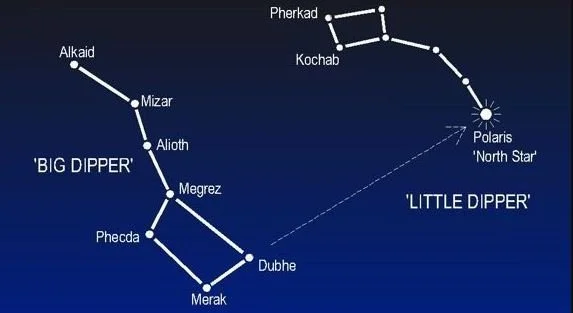
Photo From: Bing
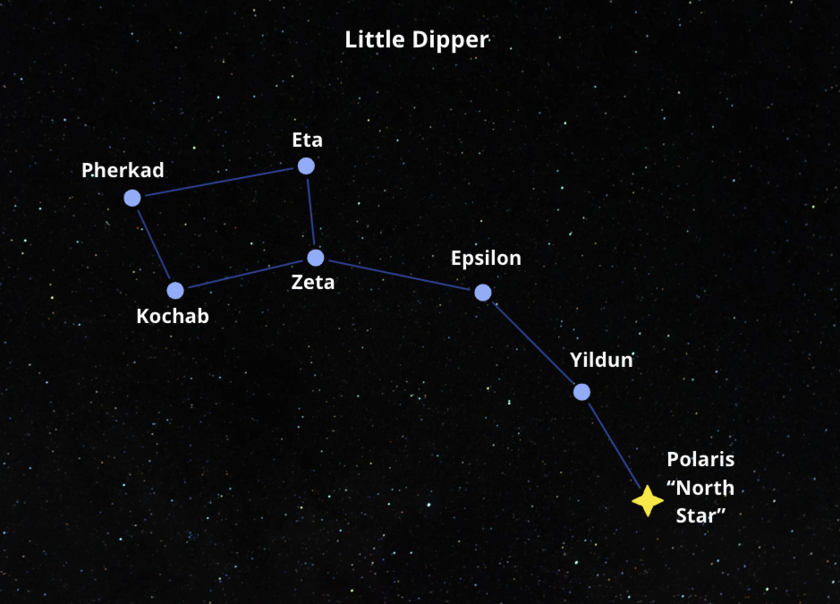
Photo From: https://labelstars.com/en/blog/big-dipper-and-little-dipper.html
Once you’ve found Hōkūpaʻa (Polaris), you’ve already done the hardest part.
Now instead of scanning the whole sky again, stay right where you are.
Look directly at Polaris. You are looking at the last star in the Little Dipper constellation (the end of its “handle”).
🪐
✨
Planets
🪐 ✨ Planets
Spotting the planets on maui
Once you’ve started recognizing constellations, you’ll notice something different in the sky. Some of the brightest “stars” don’t behave like the others. They don’t flicker. They don’t blend into patterns. They stand out.
Those are the planets.
how to tell a planet from a star
Stars twinkle. Planets donʻt.
Stars flicker because their light is traveling from very far away. Meanwhile, planets are closer so their light appears steady.
spotting venus
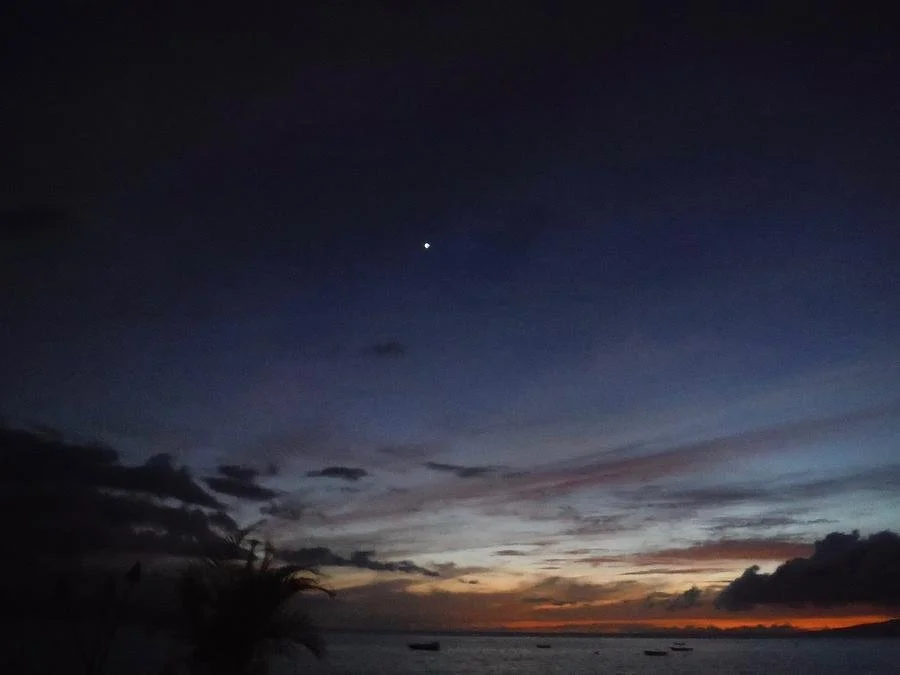
Venus over Maui is a photograph by Karen j Kobrin Cohen
Venus is the easiest planet to recognize. If you step outside just after sunset and see one bright point of light before anything else appears, that’s likely Venus. It’s steady, bright, and impossible to ignore once you know what you’re looking at.
step by step:
Go outside right after sunset
Look low along the western horizion (where the sun has just set)
Find the first bright point of light that appears.
Thatʻs Venus.
Other visible planets from maui
From Maui, the planets most commonly visible to the naked eye are:
Venus (Hōkūao / Hōkūloa)
Jupiter
Saturn
At times, Mars and Mercury can also be seen under the right conditions
why its hard to give an exact guide
Unlike constellations like Orion or Scorpius, planets don’t stay in one place. They move.
Not quickly—you won’t see them shift in a single night—but over days and weeks, they slowly change position across the sky.
They follow a consistent path (the same general arc as constellations like Orion, Taurus, Leo, and Scorpius), but:
They don’t stay in the same constellation
They rise and set at different times throughout the year
Some months they’re visible right after sunset
Other times, they only appear before sunrise—or not at all
Because of this, there’s no single, year-round reference point like there is for constellations or Hōkūpaʻa (the North Star).
And that’s part of what makes spotting them feel different.
What Makes Each One Stand Out
Even without knowing exactly which planet you’re looking at, you can start to notice differences:
Venus is usually the brightest—often the first light you see after sunset or before sunrise
Jupiter is bright and steady, often higher in the sky
Saturn is dimmer, with a softer, slightly golden tone
Mars, when visible, can appear noticeably reddish
You don’t need to name them right away.
Just noticing that they’re different is the first step.
where is the best spot to see the stars on maui?
If you’re hoping to really see the night sky on Maui, where you go makes all the difference.
Away from town lights, the stars become clearer, brighter, and easier to recognize.
Haleakalā National Park
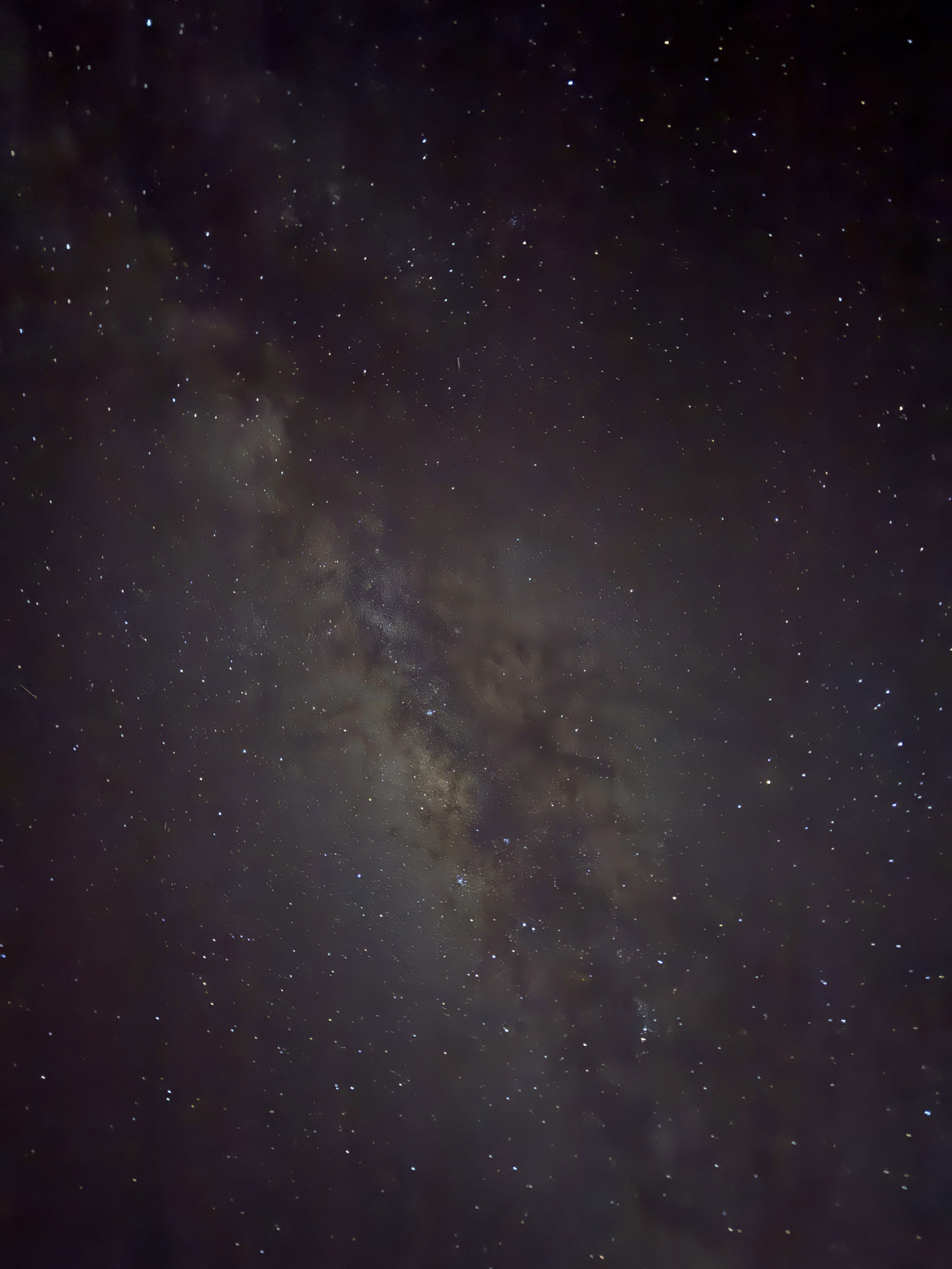
Milky Way over Maui Taken by Curran Jones
One of the most well-known places for stargazing on Maui is the summit of Haleakalā.
At over 10,000 feet above sea level, you’re above much of the cloud cover, with wide open views of the sky.
Many people choose to:
Go up for sunset, then stay as the sky darkens
Or make a sunrise reservation and arrive early, while the stars are still out
Both options give you a chance to see the transition from night sky to daylight.
A few important things to know:
It gets very cold at the summit—often near freezing. Bring warm layers, closed-toe shoes, and a jacket
Conditions can change quickly, so it’s worth checking the weather ahead of time
Seeing the stars from the ocean
There’s a different kind of clarity that comes from being out on the water. With nothing around you but the horizon, the sky opens up in a way that’s hard to experience from land.
After your eyes adjust, the constellations become easier to follow—and those steady points of light you’ve learned to look for start to stand out.
join us on the water
Want to see the stars from the ocean?
Join us on our Captain’s Sunset Dinner Sail.
After you’ve finished your five-course meal, we set sail back toward the harbor under the night sky. With the shoreline lights behind you, the stars begin to come into focus—and our captains can help point out some of the constellations and patterns you’ve learned here.
It’s a relaxed, unhurried way to experience the sky—out on the water, where it all feels a little closer.
looking for something more exclusive?
If you’re hoping for a quieter experience, you can take it a step further.
Our private charters offer the chance to be out on the water with just your group—no set schedule beyond your own pace, and more space to settle into the moment.
Out there, with fewer distractions and nothing but ocean around you, the night sky has a way of opening up naturally. The constellations become easier to follow, the steady light of the planets stands out more clearly, and there’s time to slow down and really take it in.
If that kind of experience feels right, a private charter might be the way to go.
Written by Curran Jones, Trilogy Excursions