What Are Hawaiian ʻAumākua? Understanding Family Guardians in Hawaiian Culture
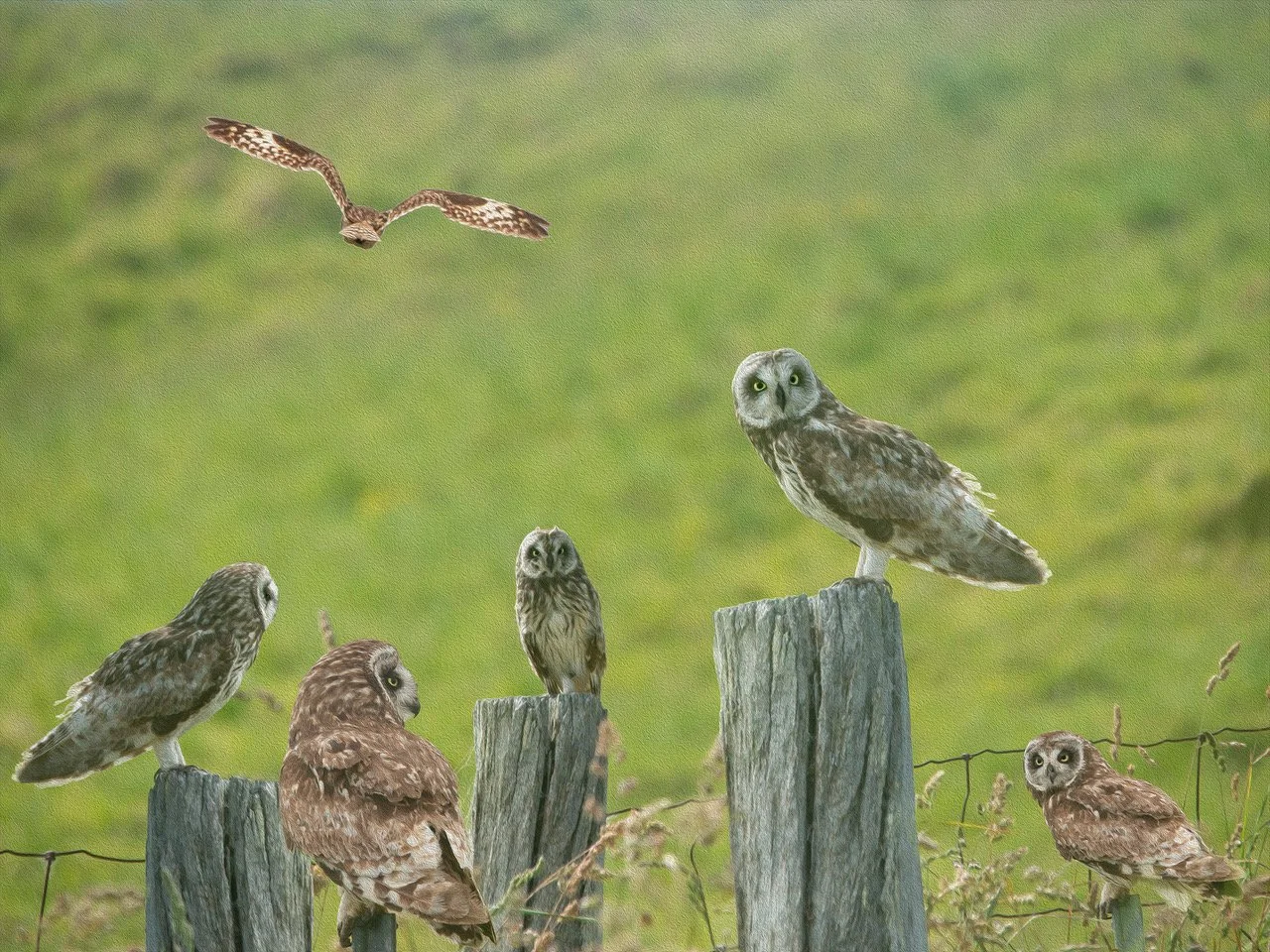
ʻAumākua Meeting, Photograph by Lanaya Deily; Volcano Art Center
"What does it mean when I see a honu?" It's a question our crew hears from guests from time to time. (A honu is the Hawaiian green sea turtle.) Sometimes it's about luck. Sometimes it's about signs. Occasionally, someone asks if a particular animal could be their "Hawaiian spirit animal."
It's an understandable question, but it reflects a common misconception.
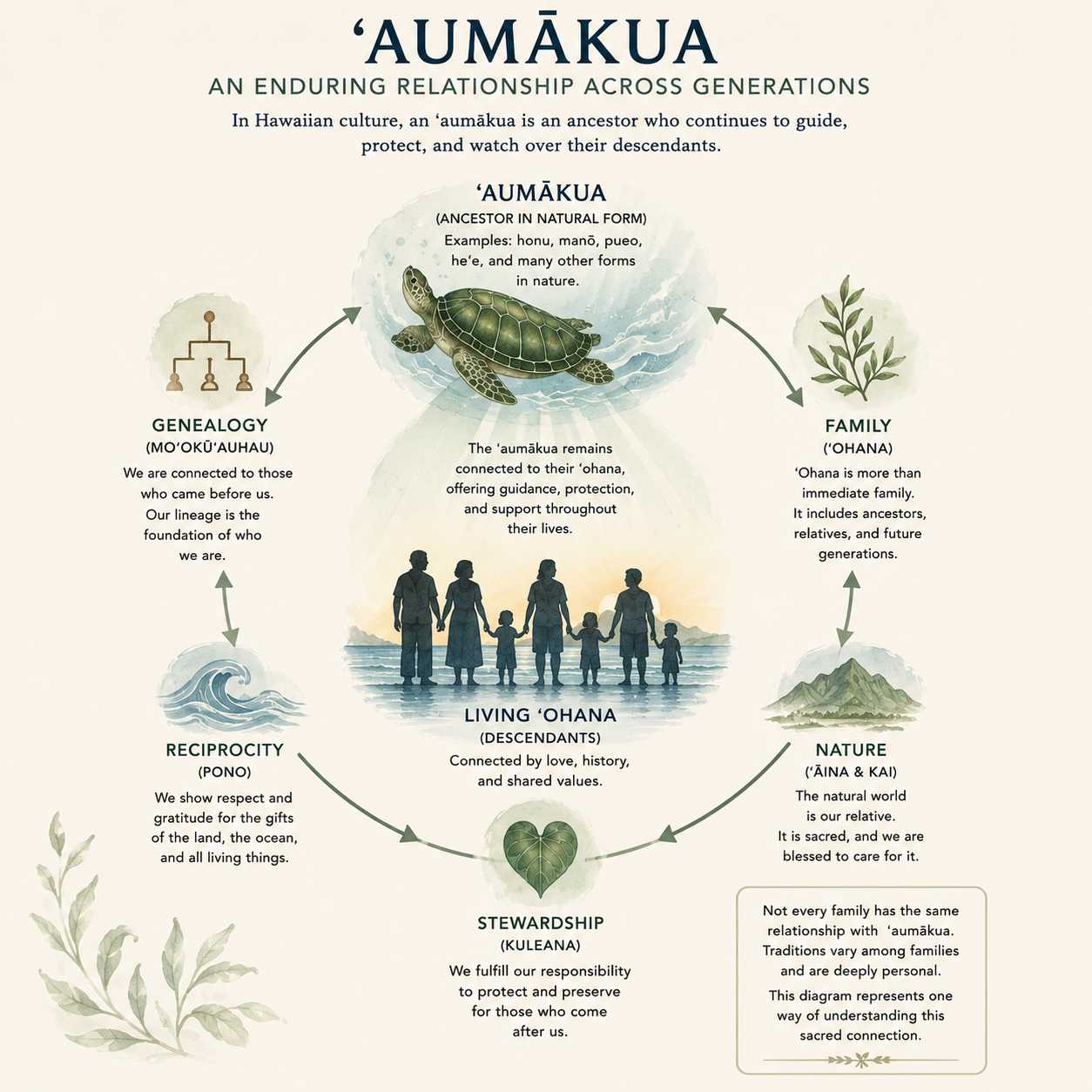
In Hawaiian culture, the concept of an ʻaumākua is something much deeper. ʻAumākua are ancestral family guardians connected through genealogy, family history, and generations of relationships. They are part of a living cultural tradition, not folklore or symbols that visitors can simply adopt.
Learning about ʻaumākua can deepen your understanding of Hawaiian culture and offer a new perspective on the ocean, the land, and the wildlife you encounter during your time on Maui. It reminds us that these islands are more than beautiful places to visit—they are home to living traditions, enduring family lineages, and relationships with the natural world that continue today.
What Is an ʻAumākua?
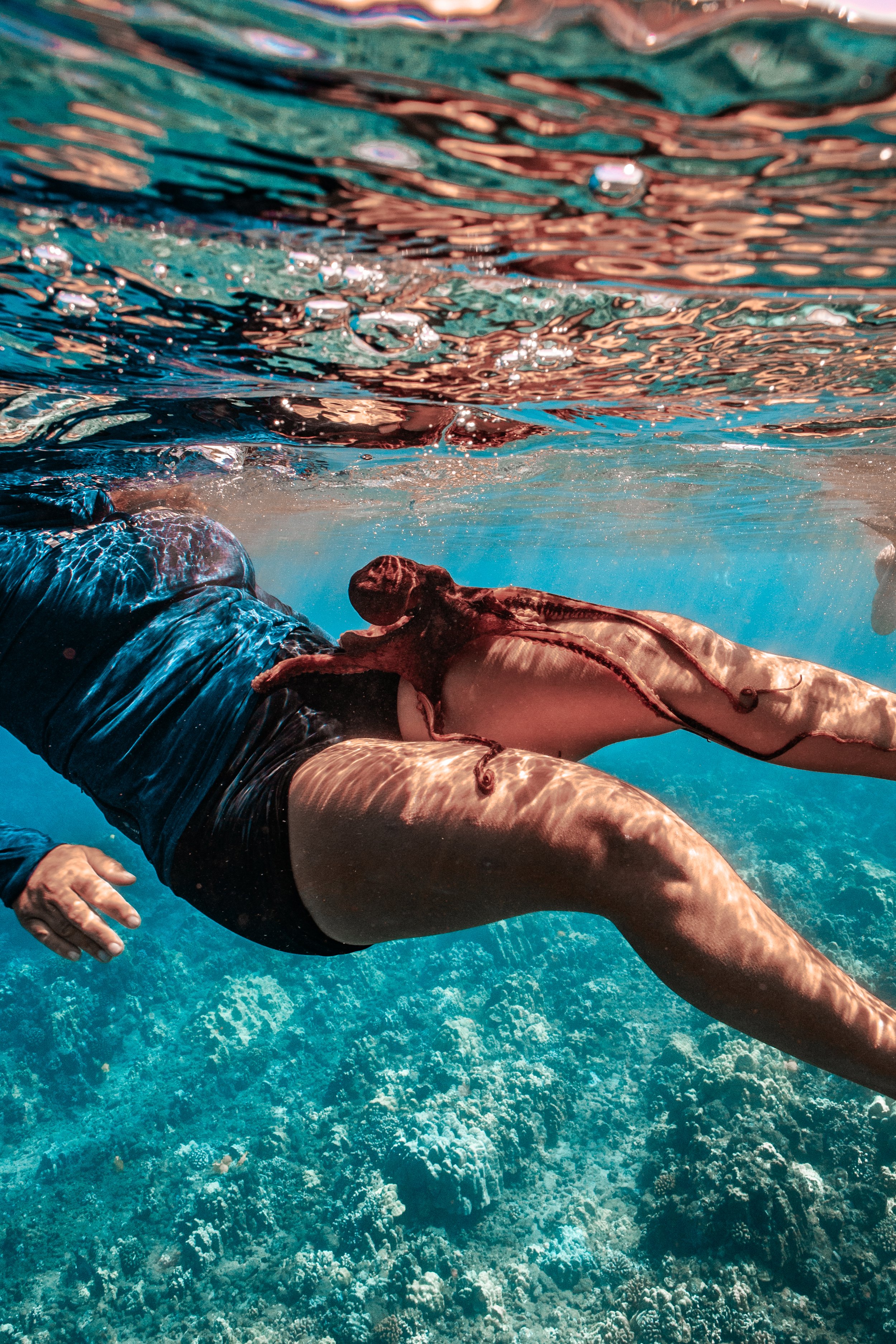
heʻe (octopus)
An ʻaumākua is traditionally understood as a deceased ancestor who continues to guide, protect, and maintain a relationship with their descendants. Rather than leaving the family entirely, an ancestor may become an ʻaumākua, remaining connected to future generations through an enduring familial bond. This understanding is deeply rooted in Hawaiian genealogy (moʻokūʻauhau) and reflects the importance of family relationships that extend across generations.
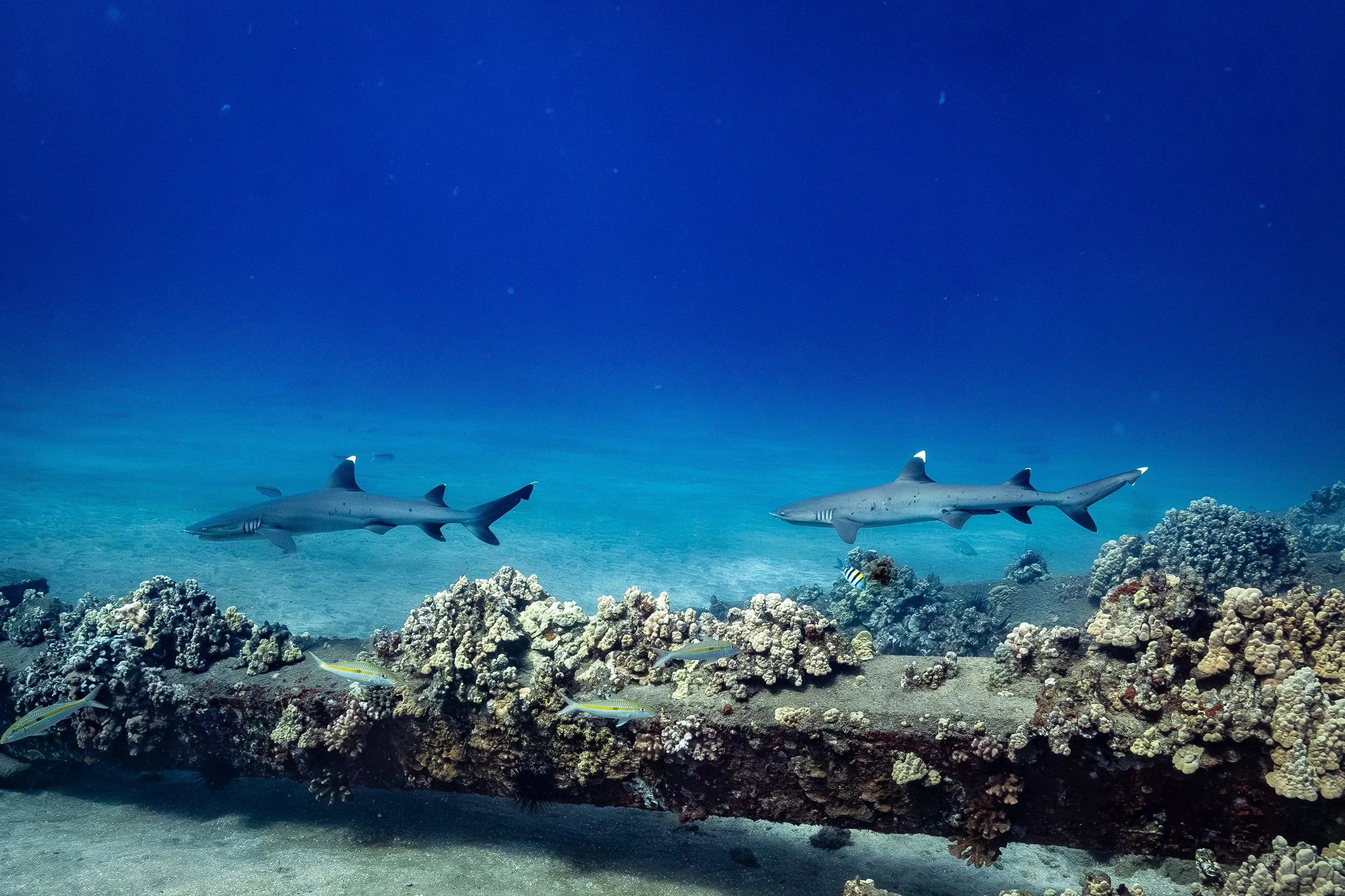
ʻAumākua are often associated with particular forms in nature, including certain animals, plants, or natural features. Historical accounts describe ʻaumākua appearing as manō (sharks), honu (Hawaiian green sea turtles), pueo (Hawaiian short-eared owls), heʻe (octopus), moʻo (lizard or water spirit figures), and other living beings. In some families, an ʻaumākua may instead be connected to a tree, a stone, or another place in the natural world.
It's important to understand that these forms are not considered sacred simply because of their species.
Hawaiian artist-historian Herb Kawainui Kāne offered an important distinction about these relationships. Kāne cautioned against assuming that “an entire species was regarded as ‘aumakua.” In his explanation, an ancestral spirit might make itself known through a particular animal for a particular purpose. This did not mean that every manō, honu, or pueo belonged to that family relationship.
ʻAumākua represent the enduring connection between ancestors, their descendants, and the natural world—a relationship that continues to hold deep cultural significance for many Native Hawaiian families today.
ʻAumākua Are About Family, Not Symbols
One of the biggest misconceptions about ʻaumākua is that they're similar to a "spirit animal." While that comparison is common, it doesn't reflect the traditional Hawaiian understanding.
At the heart of the concept of an ʻaumākua is family.
In Hawaiian culture, family extends beyond the people living today. Ancestors remain an important part of the ʻohana, and genealogy (moʻokūʻauhau) is deeply valued as a way of understanding where you come from and the relationships that connect generations. An ʻaumākua is one expression of that enduring bond, representing the continuing relationship between ancestors and their descendants.
Because of this, an ʻaumākua is not something a person chooses, discovers through a personality quiz, or adopts after a meaningful experience in nature. Traditionally, these relationships are inherited through family lineage and passed down across generations, carrying with them stories, responsibilities, and a sense of identity.
For many Native Hawaiian families, an ʻaumākua is not simply a symbol of protection. It is a reminder that our ancestors remain connected to us, and that our relationship with the natural world is grounded in respect, reciprocity, and care.
How Did ʻAumākua Guide Hawaiian Families?
While traditions vary from one family to another, ʻaumākua have long been understood as more than symbolic ancestors. They represent an ongoing relationship between generations—one in which ancestors continue to care for, guide, and protect their descendants.
Historical accounts describe ʻaumākua offering guidance in many ways. Some families believed an ʻaumākua could appear in dreams, warn of approaching danger, or reveal itself through encounters in the natural world. Others looked to their ʻaumākua for protection during fishing expeditions, ocean voyages, or other important moments in daily life. Rather than being worshipped, ʻaumākua were respected as trusted members of the ʻOhana whose presence reminded descendants that they were never truly alone.
Kāne described some ʻaumākua as having “a protective and beneficial parental interest in the welfare of their living descendants.” This parental framing helps explain why ʻaumākua were understood as family rather than distant supernatural figures. Their guidance was part of an enduring relationship grounded in genealogy and responsibility between generations.
This relationship was also reciprocal. An ʻaumākua was not simply expected to protect a family without anything in return. Family members honored their ʻaumākua through respect, remembrance, and by living in ways that reflected the values passed down through their ancestors. In this way, the relationship strengthened not only a family's connection to those who came before them, but also their responsibility to one another and to the natural world.
Although beliefs and practices surrounding ʻaumākua differ among Hawaiian families today, the underlying idea remains remarkably consistent: the bonds between ancestors and their descendants do not end with death. They continue through memory, genealogy, and the enduring relationships that shape both family and place.
Example in Pop Culture
If you've seen Disney's Moana, you may already have a helpful frame of reference for understanding the idea of an ʻaumākua.
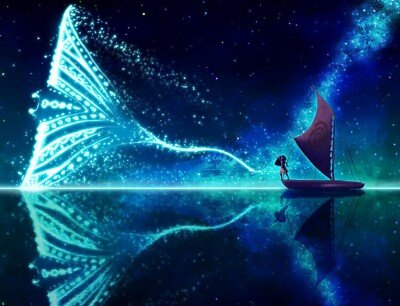
Photo from Divine Bovinity, Ebay
While Grandma Tala's transformation into a manta ray isn't a direct representation of the Hawaiian concept of an ʻaumākua, it's one of the closest examples in popular culture. Like much of the film, her story draws inspiration from traditions found across Polynesia rather than depicting any single culture or belief system.
What the film captures beautifully is the idea that our ancestors remain connected to us—that their guidance, love, and presence can continue even after they're gone. That emotional thread resonates deeply with many people and helps explain why the concept of an ʻaumākua is so meaningful.
Where Hawaiian culture differs is in the relationship itself. An ʻaumākua is not defined by the animal or natural form it may appear as, but by the enduring bond between an ancestor and their family. That connection is rooted in genealogy (moʻokūʻauhau), carried through generations, and remains part of a living cultural tradition for many Native Hawaiian families today.
Historical accounts
While every family's relationship with an ʻaumākua is unique, a handful of remarkable accounts have been preserved through interviews with Hawaiian families and respected cultural practitioners. These are not fictional tales or internet folklore. They are documented family histories that offer a rare glimpse into how some Native Hawaiian families have understood the enduring relationship between ancestors and their descendants.
Historical Accounts of ʻAumākua in Action
While every family's relationship with an ʻaumākua is unique, a handful of remarkable accounts have been preserved through interviews with Hawaiian families and respected cultural practitioners. These are not fictional tales or internet folklore. They are documented family histories that offer a rare glimpse into how some Native Hawaiian families have understood the enduring relationship between ancestors and their descendants.
The Puhi Family and Ke-au
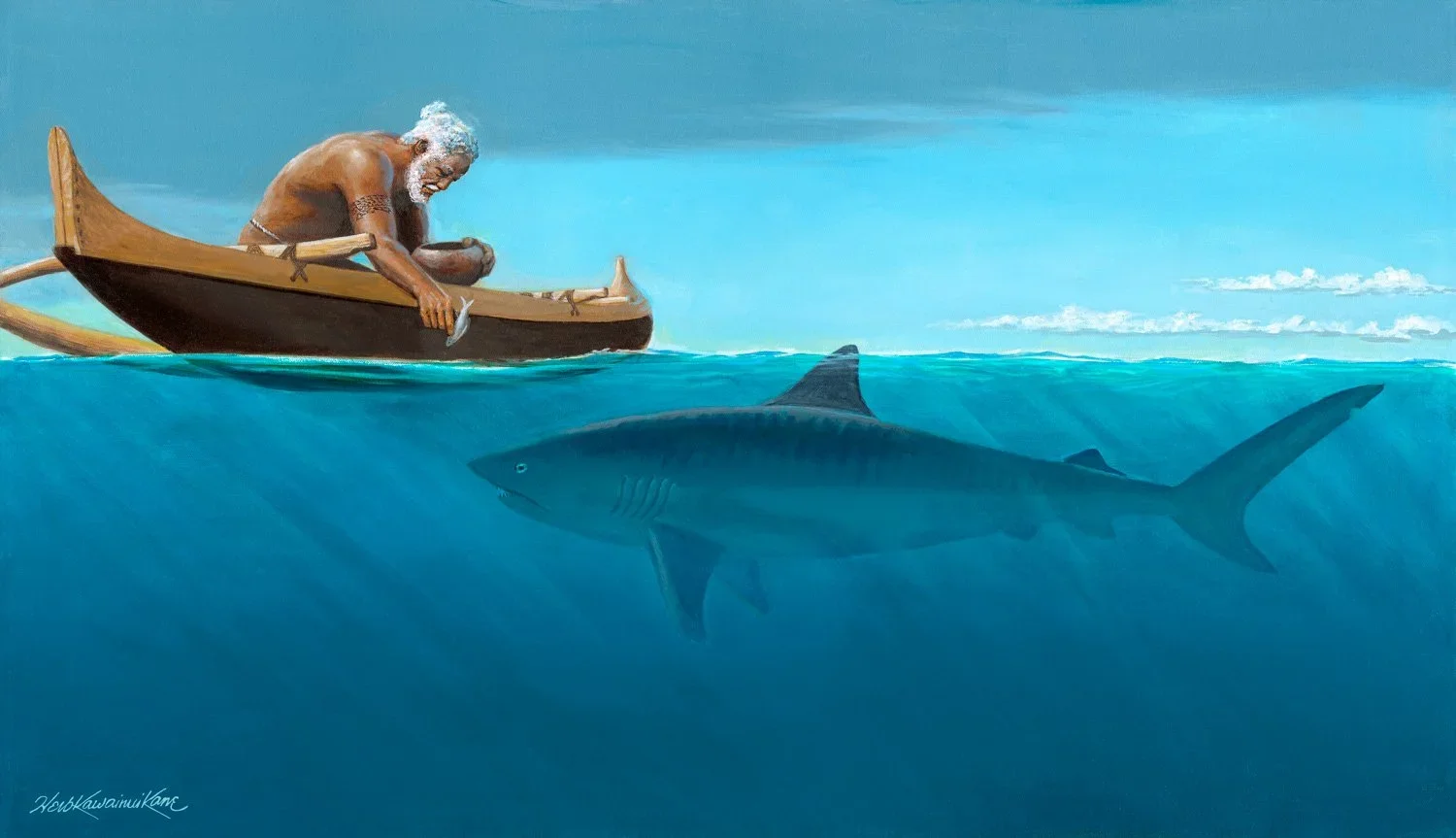
One of the most detailed historical accounts comes from anthropologist Martha Warren Beckwith's 1917 paper Hawaiian Shark ʻAumākua. In it, Beckwith recounts the story of the Puhi family of Puna on Hawaiʻi Island and their shark ʻaumākua, Ke-au.
Copyright: © Copyright Herb K. Kane Family Trust
According to family tradition, Ke-au would appear beside the family's canoe whenever they went fishing. Before casting their nets, family members could call out the kind of fish they hoped to catch, and the shark would help lead schools of fish toward them. The first fish caught was returned to the ocean as an offering of gratitude before the rest of the catch was brought home.
The relationship extended beyond fishing. Family members believed Ke-au appeared in dreams before especially successful fishing trips and would protect them if their canoe overturned in rough seas. Rather than fearing the shark, they recognized Ke-au as a beloved ancestor continuing to care for future generations.
Moses Kuaana and Kupanihi
In the same collection, Beckwith interviewed a Hawaiian man named Moses Kuaana, who spoke openly about his family's shark ʻaumākua, Kupanihi.
When asked about the shark, Moses simply replied, "That is my shark." He explained that Kupanihi had once been human before becoming the family's ʻaumākua and described the relationship in strikingly personal terms, saying the shark was "like a father" to him.
His account offers a powerful reminder that ʻaumākua were never understood as abstract symbols or mythical creatures. For families like Moses Kuaana's, they remained part of the ʻohana—ancestors whose presence continued to offer guidance, protection, and comfort across generations.
A Pueo That Protected a Family
Not all ʻaumākua lived in the ocean.
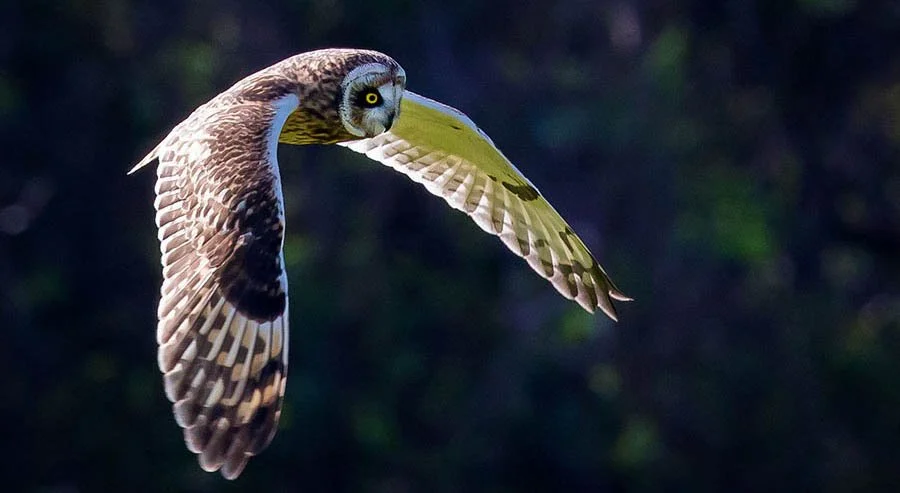
Native Hawaiian cultural practitioner Keliʻi Tauʻa has shared a story passed down through his own family about their pueo (Hawaiian short-eared owl) ʻaumākua. According to his family's history, his great-great-grandmother was fleeing an abusive husband on horseback when she prayed for help. As she hid, a pueo descended overhead, drawing attention away from her hiding place until the man rode past without finding her.
Pueo; Hawaii Forest Institute
For the family, this wasn't simply an unusual encounter with wildlife. It was understood as their ʻaumākua answering a plea for protection during a moment of great danger. The account also reminds us that ʻaumākua have long been associated with many forms in nature, and that every family's relationship is unique.
Although each of these accounts is different, they share a common thread. ʻAumākua were not remembered as distant figures from the past. They were understood as family—ancestors whose love, guidance, and protection continued long after death, strengthening the enduring bonds between genealogy, place, and the natural world.
Sources
Martha Warren Beckwith, Hawaiian Shark ʻAumākua, Journal of American Folklore, Vol. 30, No. 117 (1917), based on interviews with Native Hawaiian families.
Keliʻi Tauʻa, family account shared in Maui No Ka ʻOi Magazine, "Hawaiian Spirit Guardians: ʻAumākua."
Learning with Respect
One of the greatest gifts of travel is the opportunity to experience a place through the perspectives of the people who call it home. Learning about ʻaumākua isn't about finding your own ancestral guardian or identifying a "Hawaiian spirit animal." Instead, it's an invitation to better understand the values, relationships, and traditions that continue to shape Hawaiian culture today.
For many Native Hawaiian families, ʻaumākua remain deeply personal. These relationships are not just spiritual, but familial. While visitors may not share in those traditions, they can still appreciate the worldview they reflect.
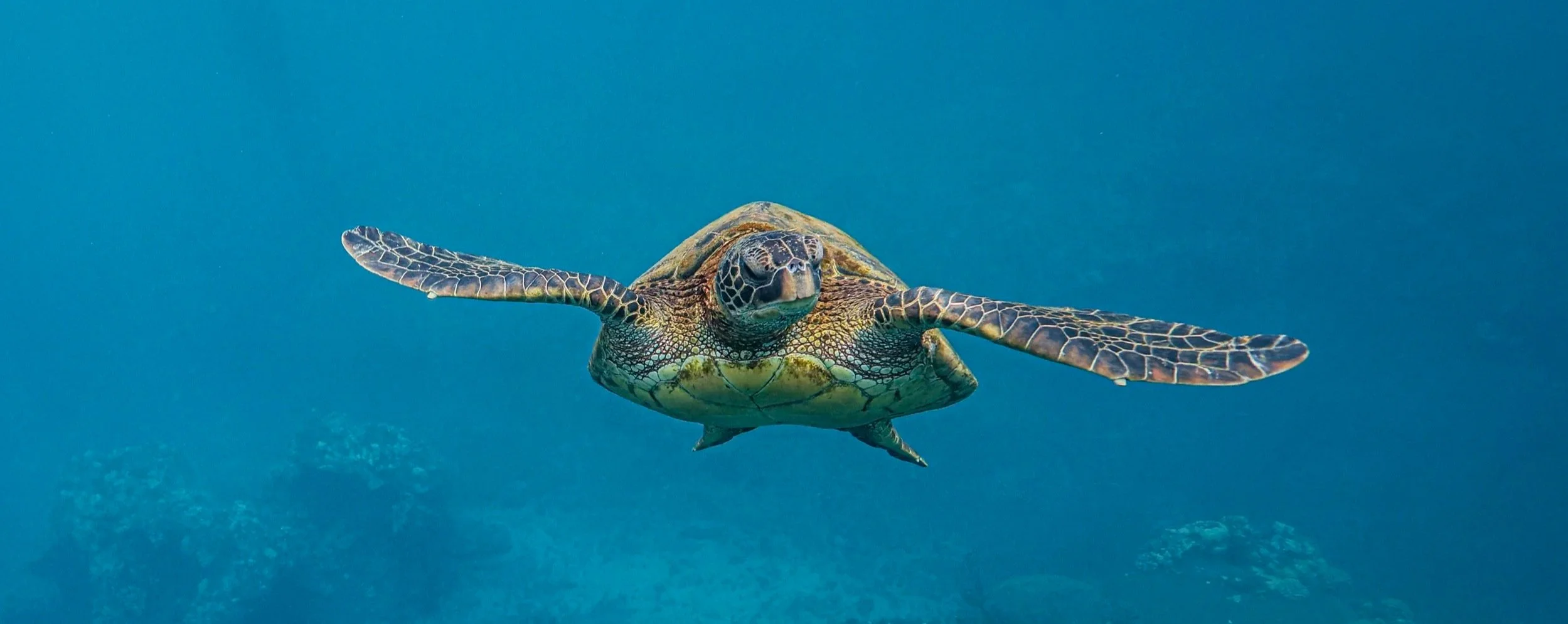
That understanding can change the way we experience Hawaiʻi. A honu resting on the reef, a pueo gliding overhead, or a manō moving through the water becomes more than a memorable wildlife encounter. It becomes a reminder that the places we visit often hold meanings that extend far beyond our own experiences.
Approaching those moments with curiosity, gratitude, and respect allows us to leave Hawaiʻi with something even more meaningful than photographs—it leaves us with a deeper appreciation for the people, culture, and living traditions that make these islands so special.
Experiencing hawaiʻi with a New Perspective
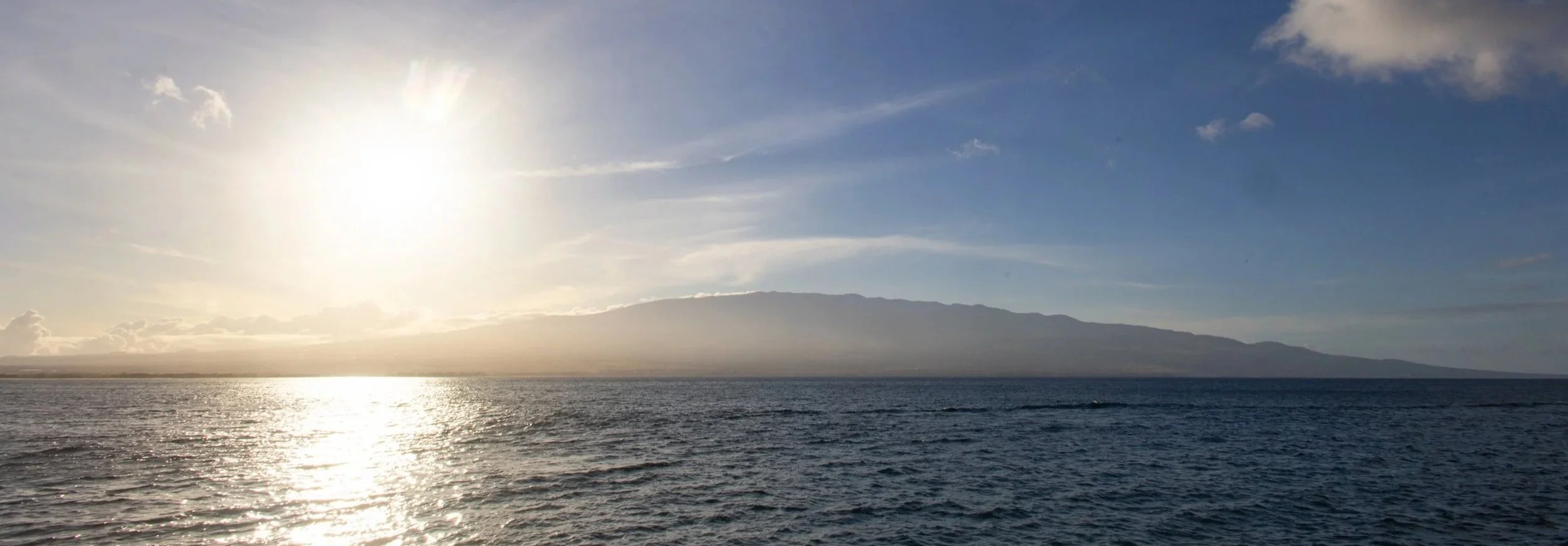
One of the values visitors often associate with Hawaiian culture is a deep respect for the land, the ocean, and all living things. While that respect can be seen in many ways, learning about ʻaumākua offers a deeper understanding of where it comes from.
For many Native Hawaiian families, the natural world is more than a beautiful backdrop to everyday life. Through concepts like ʻaumākua, it is intertwined with ancestry, genealogy, and family. A shark, a honu, a pueo, or even a particular place in nature may carry generations of family history and meaning. When viewed through that lens, caring for the natural world isn't simply about conservation—it's also about honoring relationships.
Whether you're snorkeling above a coral reef, hiking through the forest, or watching the sunset from shore, this perspective can transform the way you experience Hawaiʻi. The island becomes more than a destination for adventure and relaxation, and wildlife becomes more than something to photograph. They become reminders that these islands are home to living traditions and enduring connections between people and place.
At Trilogy Excursions, we believe the best experiences on the ocean begin with understanding. The more we learn about Hawaiʻi's culture, history, and marine environment, the more likely we are to care for it with the respect it deserves. Every responsible choice—from giving wildlife plenty of space to protecting fragile coral reefs—helps preserve the ocean for future generations, just as so many have worked to do for generations before us.
Perhaps that's one of the greatest lessons ʻaumākua can teach us: when we begin to see nature as something more than scenery, it's impossible not to care for it differently.