King Kamehameha Day: The Story Behind One of Hawaiʻi’s Most Meaningful Holidays
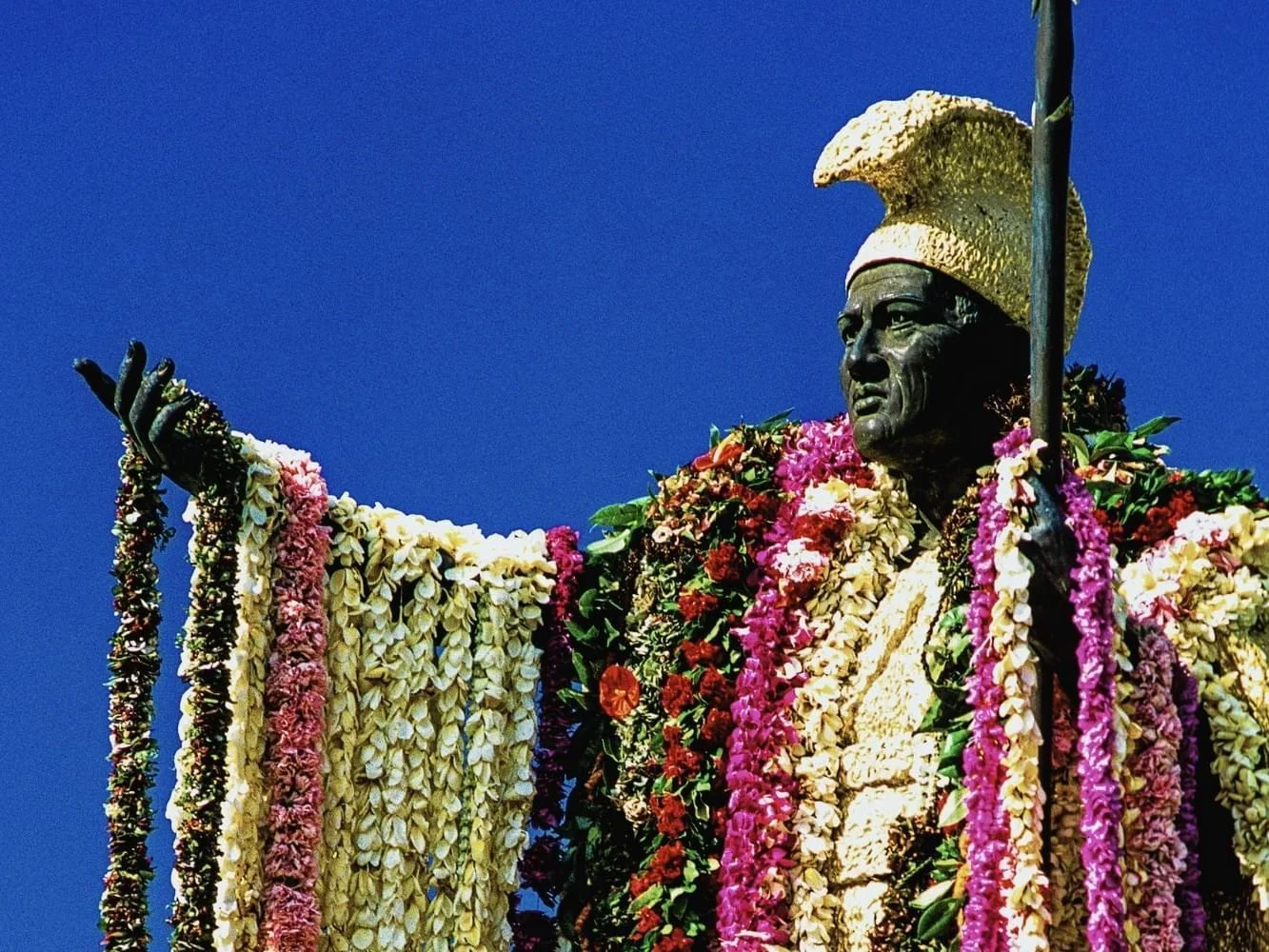
Photo from Waikiki Resort Hotel
If you're visiting Hawaiʻi in June, you may notice something unusual: statues draped in enormous flower lei, colorful parades moving through town, and communities gathering to honor a king who lived more than two centuries ago.
For many visitors, it's their first introduction to King Kamehameha I.
So why does Hawaiʻi still celebrate him today?
To understand the holiday, it helps to understand what the Hawaiian Islands were like before Kamehameha's rise to power.
Painting of Kamehameha the Great
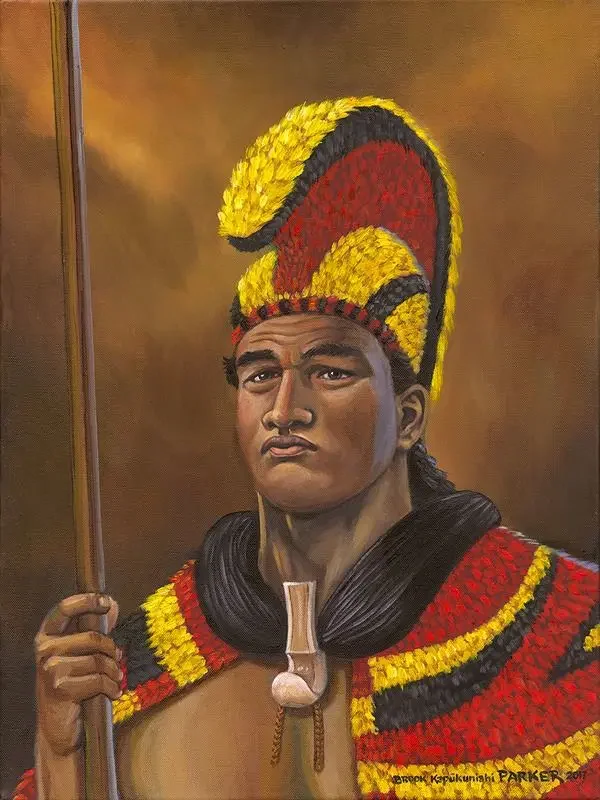
At the time, the islands were divided among different ruling chiefs. Alliances shifted, conflicts arose, and each island largely governed itself. Through leadership, diplomacy, and a series of historic battles, Kamehameha accomplished something no one before him had achieved: he united the Hawaiian Islands under one kingdom by 1810.
That achievement earned him the name many know today—Kamehameha the Great.
More than a military leader, Kamehameha is remembered for helping create stability across the islands and establishing laws that protected his people. One of the most famous, the Kānāwai Māmalahoe, or "Law of the Splintered Paddle," emphasized the protection of civilians and travelers.
His influence became the foundation of the Hawaiian Kingdom and helped shape the Hawaiʻi we know today.
That's why June 11 is more than a date on the calendar.
King Kamehameha Day was established in 1871 by King Kamehameha V, and it remains one of Hawaiʻi's most cherished state holidays. Across the islands, communities honor his legacy with floral parades, hula, cultural celebrations, and the tradition of draping long strands of lei over statues of Kamehameha.
The holiday also holds a unique place in American history. It is the only state holiday in the United States dedicated to honoring a king who ruled an independent kingdom.
For many residents of Hawaiʻi, the day is a celebration of leadership, unity, and cultural identity. For visitors, it's an opportunity to learn about the history that shaped these islands long before they became the 50th state.
Behind every lei draped over a statue and every parade that passes through town is a simple message: some leaders leave a legacy that generations continue to honor.
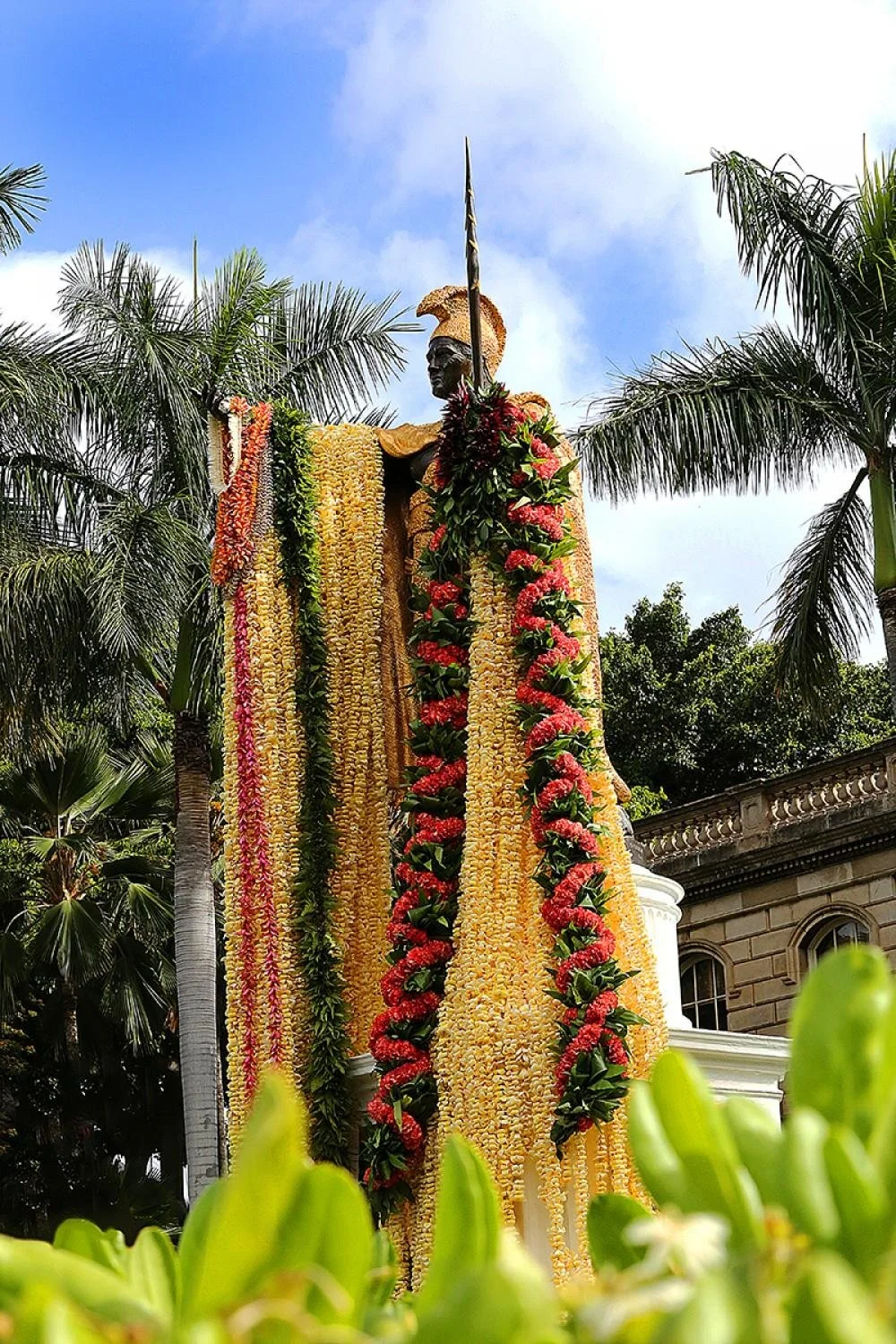
Photo from Kamehameha Schools
The Tradition of the Lei Draping
One of the most recognizable parts of King Kamehameha Day takes place before the celebrations even begin.
Across Hawaiʻi, giant leis made from fresh flowers are carefully draped over statues of King Kamehameha I. On Oʻahu, the famous statue in downtown Honolulu is adorned with lei that can stretch more than 30 feet long. The tradition has become one of the most photographed moments of the holiday, drawing residents and visitors alike.
More than decoration, the lei serve as a symbol of aloha, respect, and gratitude for the leader whose legacy continues to be remembered generations later.
A Holiday Rooted in Hawaiian History
King Kamehameha Day was first proclaimed by King Kamehameha V in 1871, less than a century after Kamehameha I united the islands. Remarkably, the holiday has continued through the Hawaiian Kingdom, the Territorial era, and into modern-day Hawaiʻi.
That continuity is part of what makes the celebration so meaningful. While many holidays commemorate events, King Kamehameha Day honors a person whose influence can still be seen throughout the islands today.
Kamehameha's Legacy Lives On
King Kamehameha's influence extends far beyond a single holiday.
Across Hawaiʻi, his name can be found on schools, highways, parks, beaches, and communities. The Kamehameha Schools, established through the legacy of Princess Bernice Pauahi Bishop, continue to educate thousands of students across the islands. Oʻahu's Kamehameha Highway remains one of the state's most recognized roadways, while towns like Kamehameha on Hawaiʻi Island carry his name as a reminder of his enduring impact.
His likeness is equally visible. Statues of King Kamehameha I stand on Oʻahu, Maui, Hawaiʻi Island, and in the U.S. Capitol's National Statuary Hall in Washington, D.C., where he represents the State of Hawaiʻi.
More than two centuries after his reign, Kamehameha remains woven into daily life throughout the islands. For many residents, he is not simply a historical figure. He is part of the story of Hawaiʻi itself.
Experiencing King Kamehameha Day on Maui
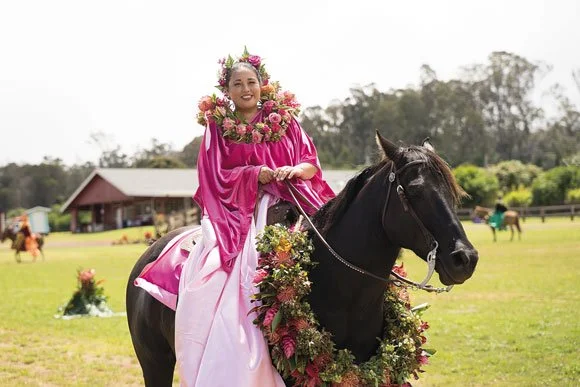
Photo from Lahaina News
On Maui, celebrations often include floral parades featuring beautifully decorated pāʻū riders, cultural demonstrations, live music, and hula. Communities gather not only to celebrate history, but also to perpetuate traditions that continue to connect people to Hawaiian culture.
For visitors, it can be a meaningful reminder that Hawaiʻi is more than a destination. It is a place with its own history, leaders, language, and traditions that continue to thrive today.
Whether you're watching a parade, admiring a statue draped in lei, or simply learning the story behind the holiday, King Kamehameha Day offers a deeper understanding of the islands and the people who call them home.