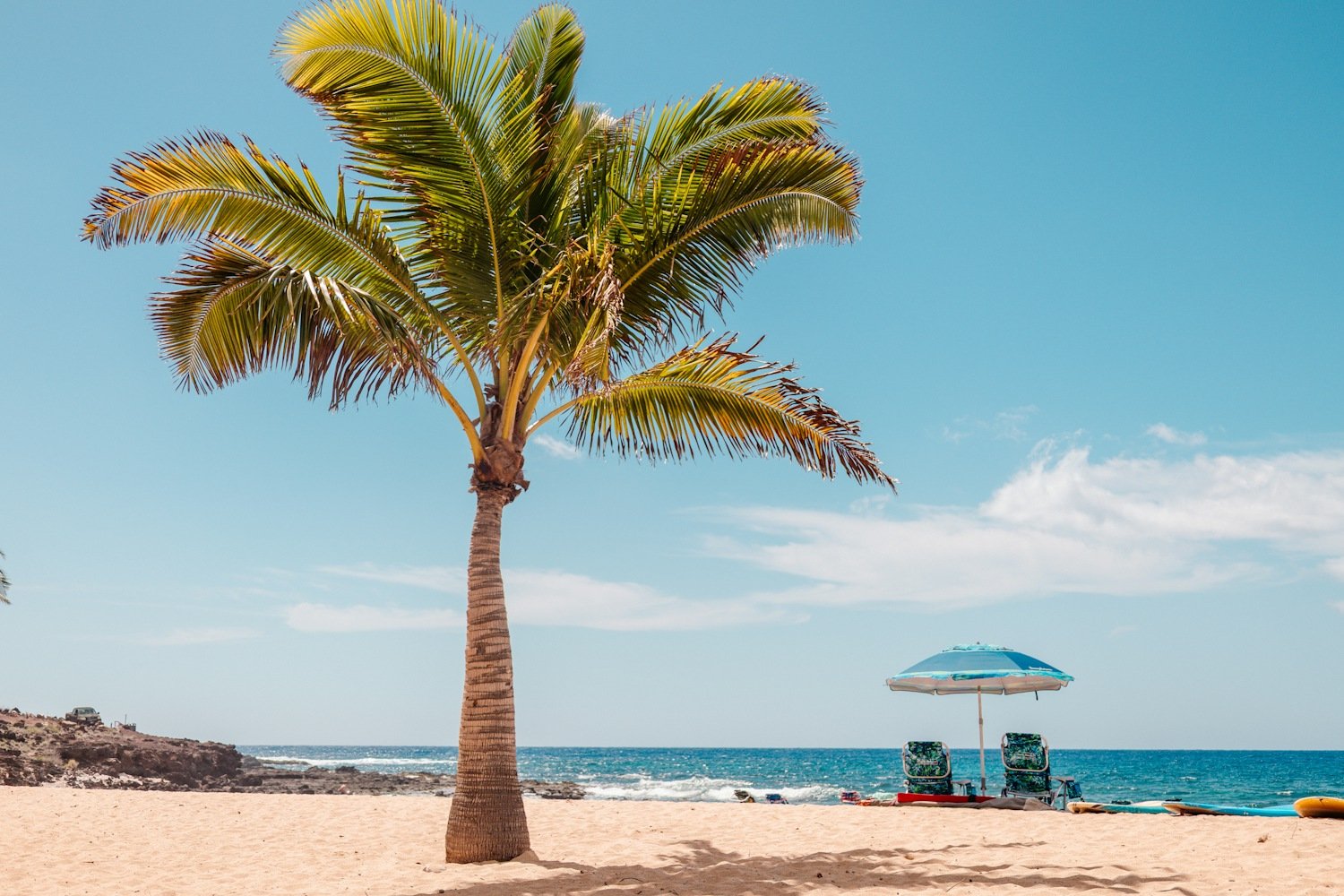
World Ocean Day: Honoring the Sea That Connects Us All
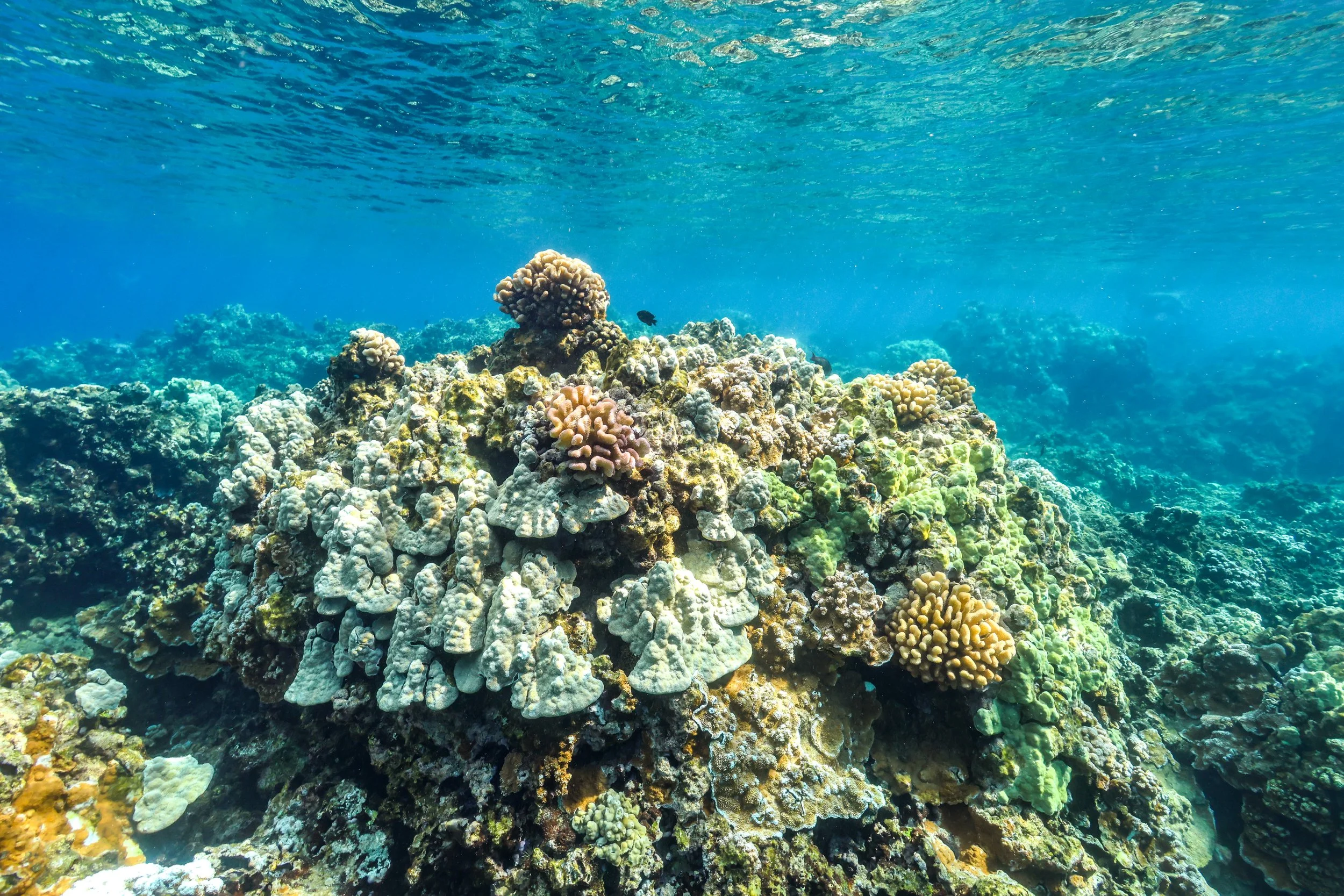
Every breath we take connects us to the ocean.
Long before people walked the land, life began in the sea. The earliest forms of life emerged in Earth’s oceans billions of years ago, and today the ocean continues to sustain nearly every living thing on our planet. It regulates climate, produces at least half of the oxygen we breathe, absorbs a significant portion of human-generated carbon dioxide, and supports countless species, communities, and livelihoods around the world.
On June 8, people across the globe come together to celebrate World Ocean Day—a day dedicated to recognizing the ocean’s importance and our shared responsibility to care for it.
For those of us who spend our lives on the water, World Ocean Day is more than a date on the calendar. It is a reminder that the ocean gives us so much and asks only that we become good stewards in return.
𓂃 ོ☼𓂃
𓂃 ོ☼𓂃
What Is World Ocean Day?
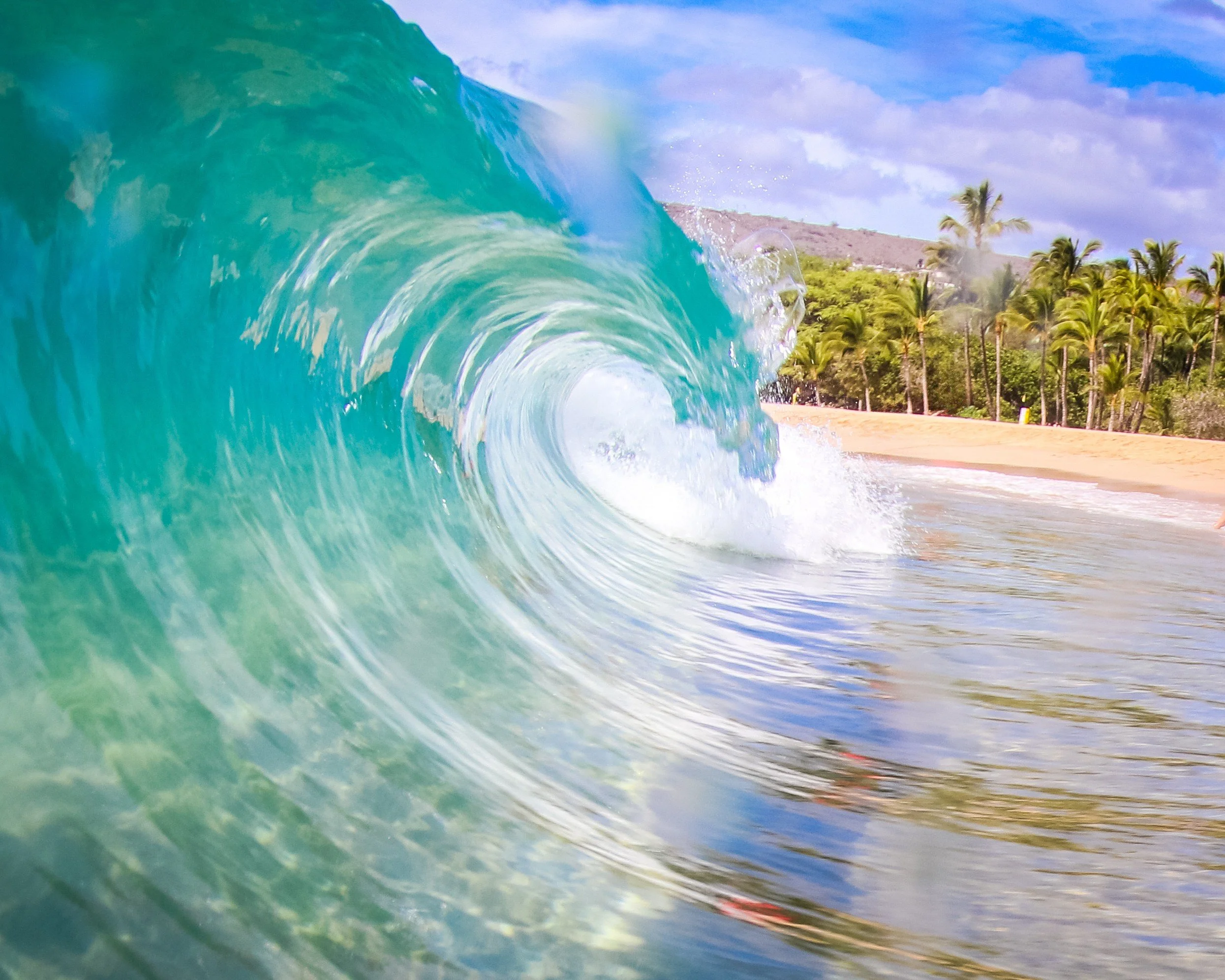
World Ocean Day is observed every year on June 8 to celebrate the ocean’s role in sustaining life on Earth and to inspire action that protects marine ecosystems for future generations. Its purpose is to raise awareness about the impact of human activities on the ocean while encouraging communities, businesses, scientists, and governments to work together toward healthier seas.
The idea was first proposed in 1992 at the United Nations Conference on Environment and Development (the Earth Summit) in Rio de Janeiro by Canada's International Centre for Ocean Development and the Ocean Institute of Canada. The United Nations officially recognized World Ocean Day in 2008, and it has since become a global movement celebrated in more than 180 countries.
At its heart, World Ocean Day exists for a simple reason:
People protect what they understand, and they care for what they love.
The Ocean Is Our Life Support System
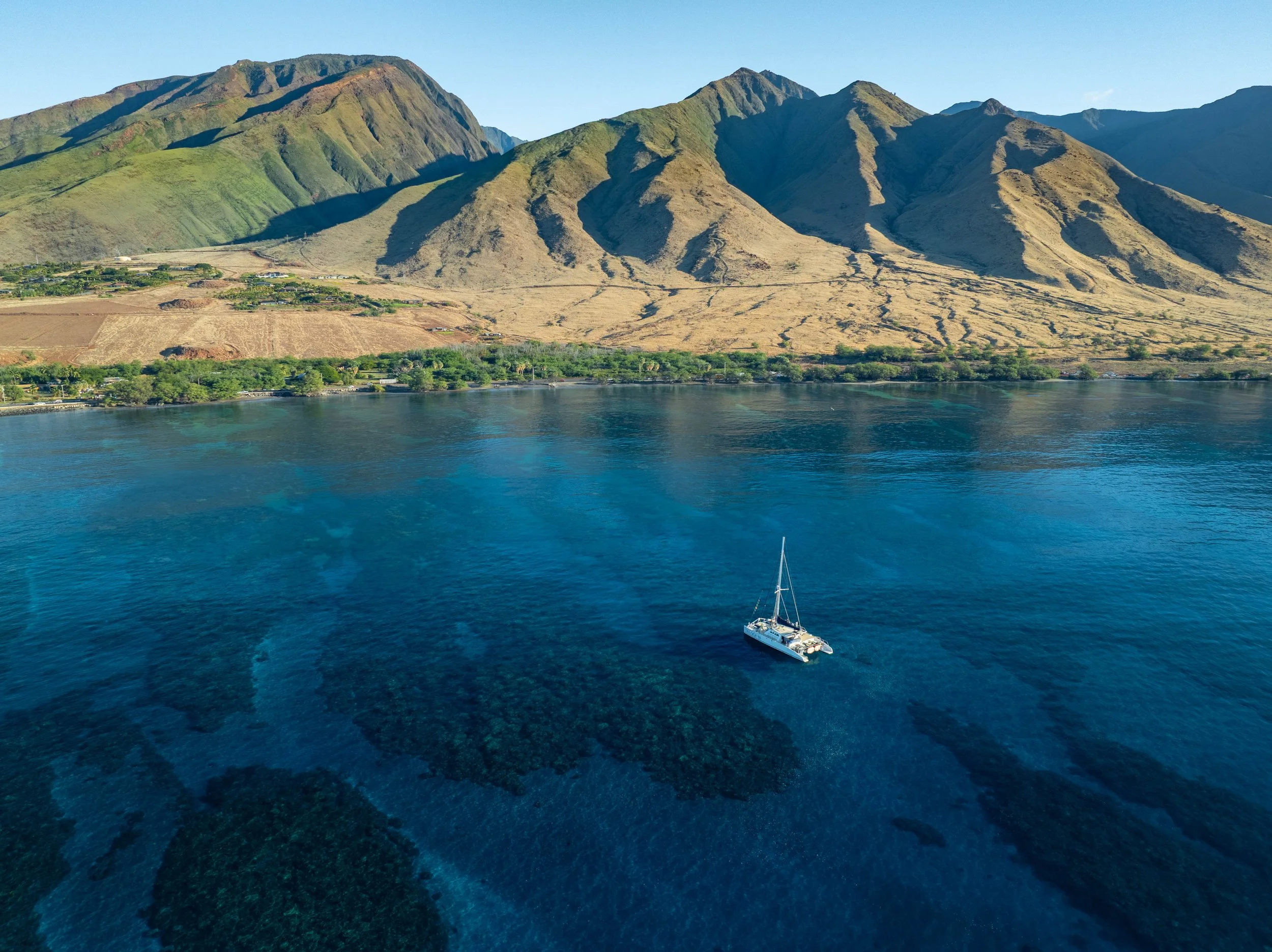
It is easy to think of the ocean as a place we visit.
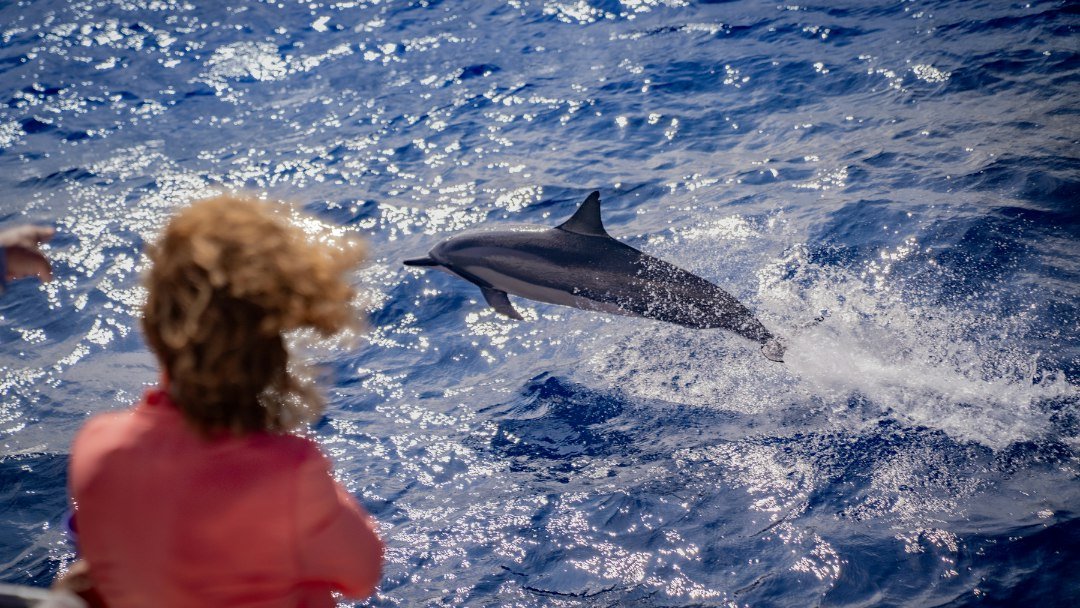
A place for snorkeling, sailing, surfing, or watching whales.
But the ocean is far more than a destination.
The ocean covers more than 70% of Earth's surface and serves as one of the planet's most important life-support systems. It produces at least 50% of the oxygen we breathe, helps regulate global temperatures, absorbs approximately 30% of carbon dioxide emissions, and provides food and livelihoods for billions of people worldwide.
Here on Maui, we witness those connections every day.
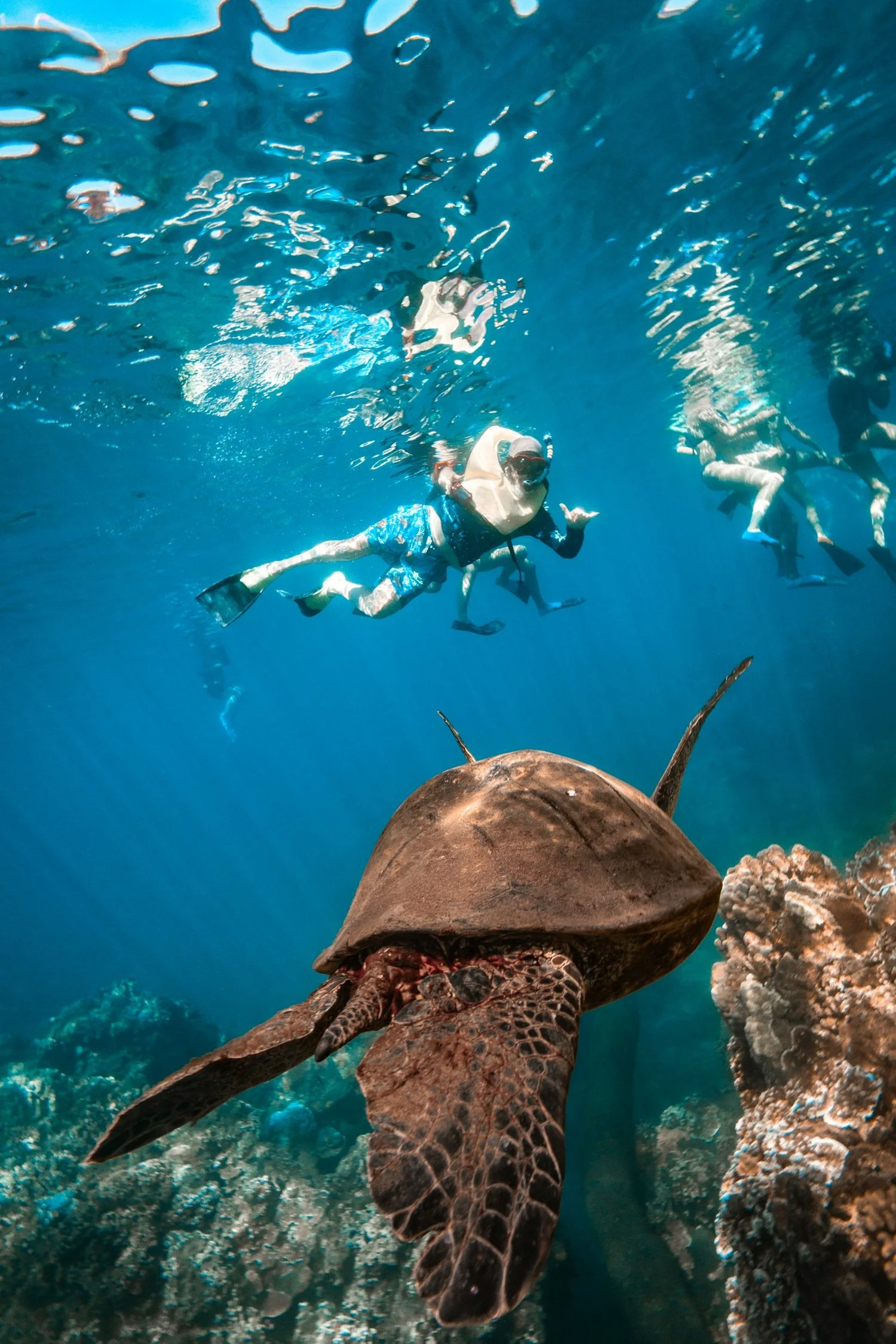
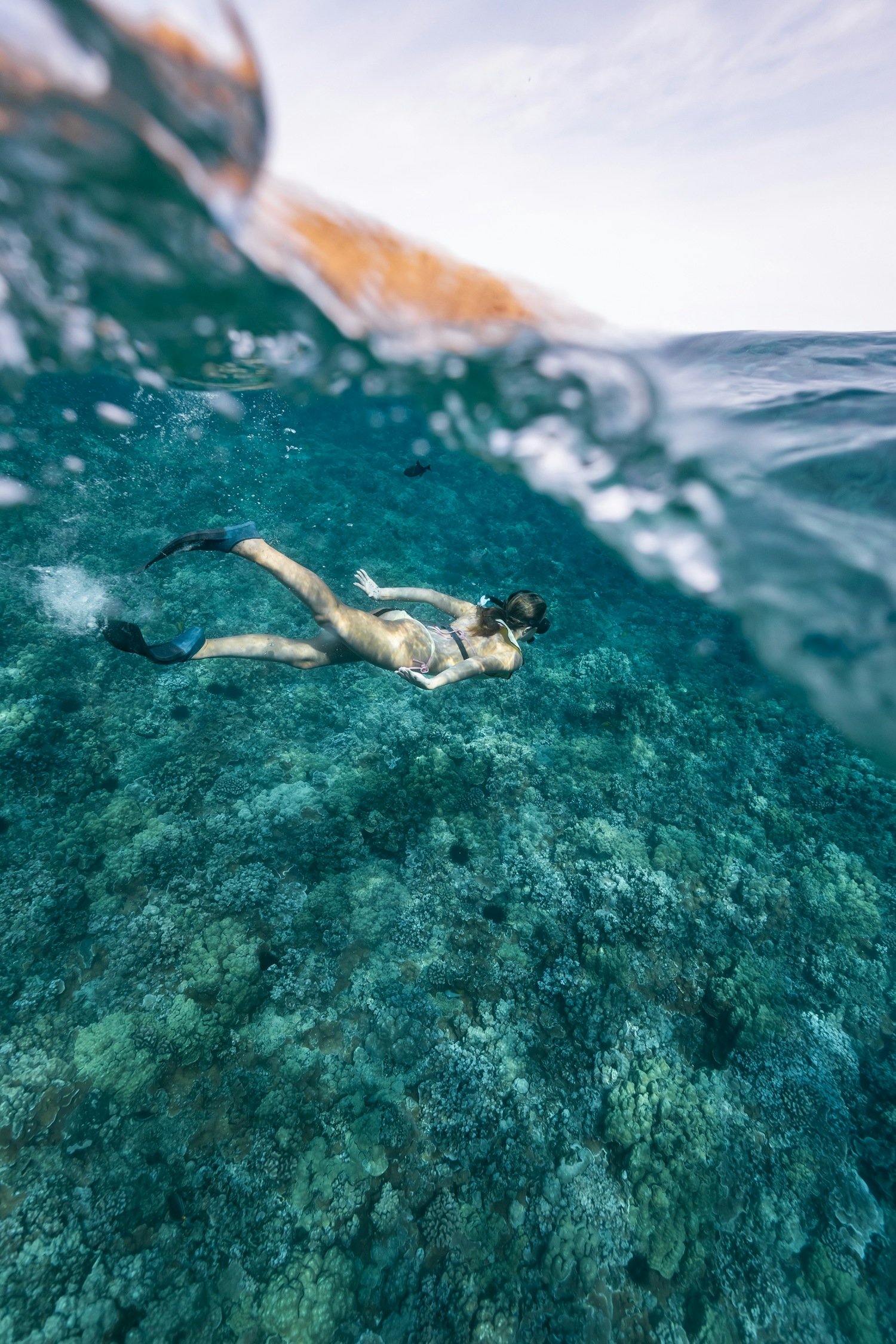
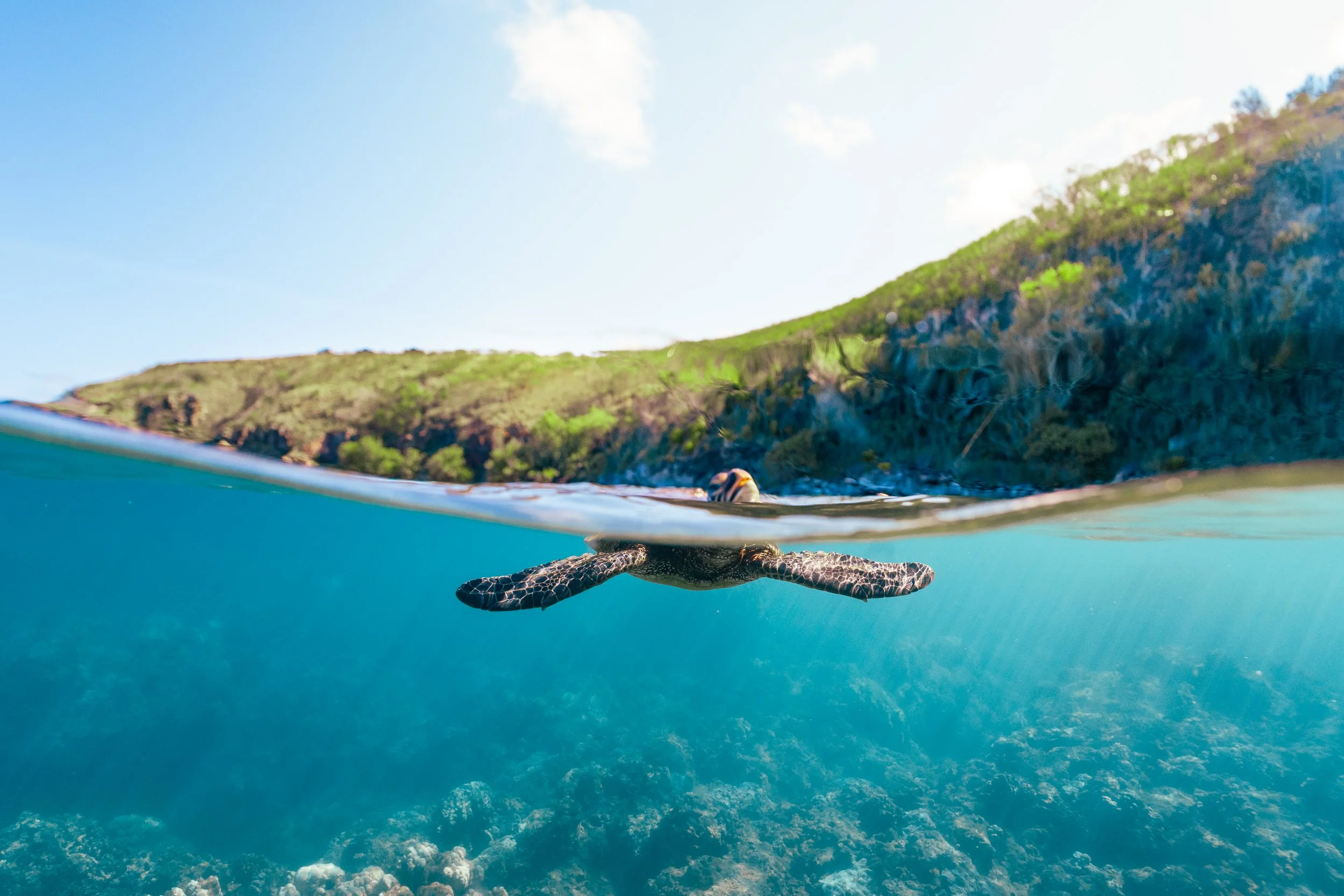
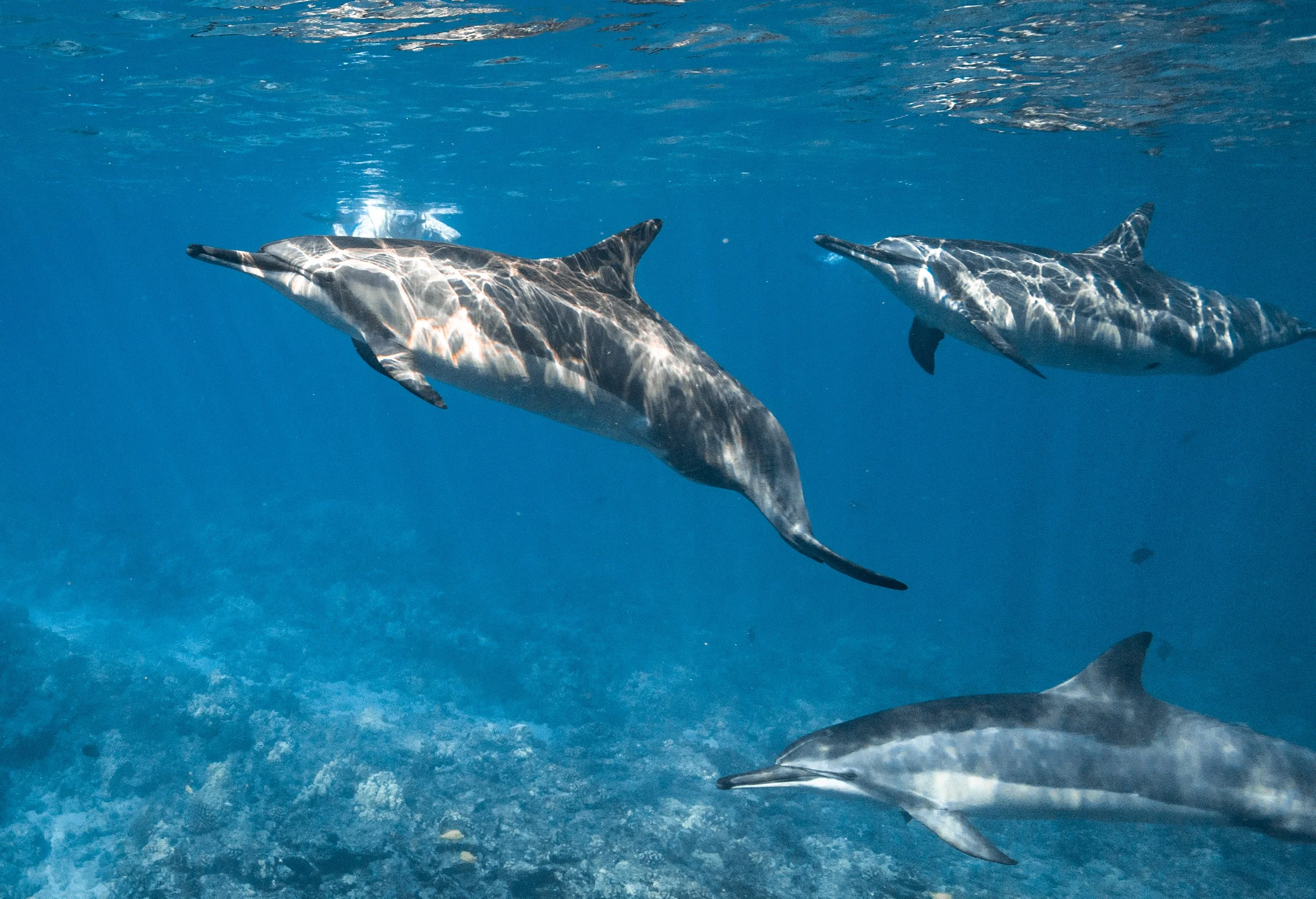
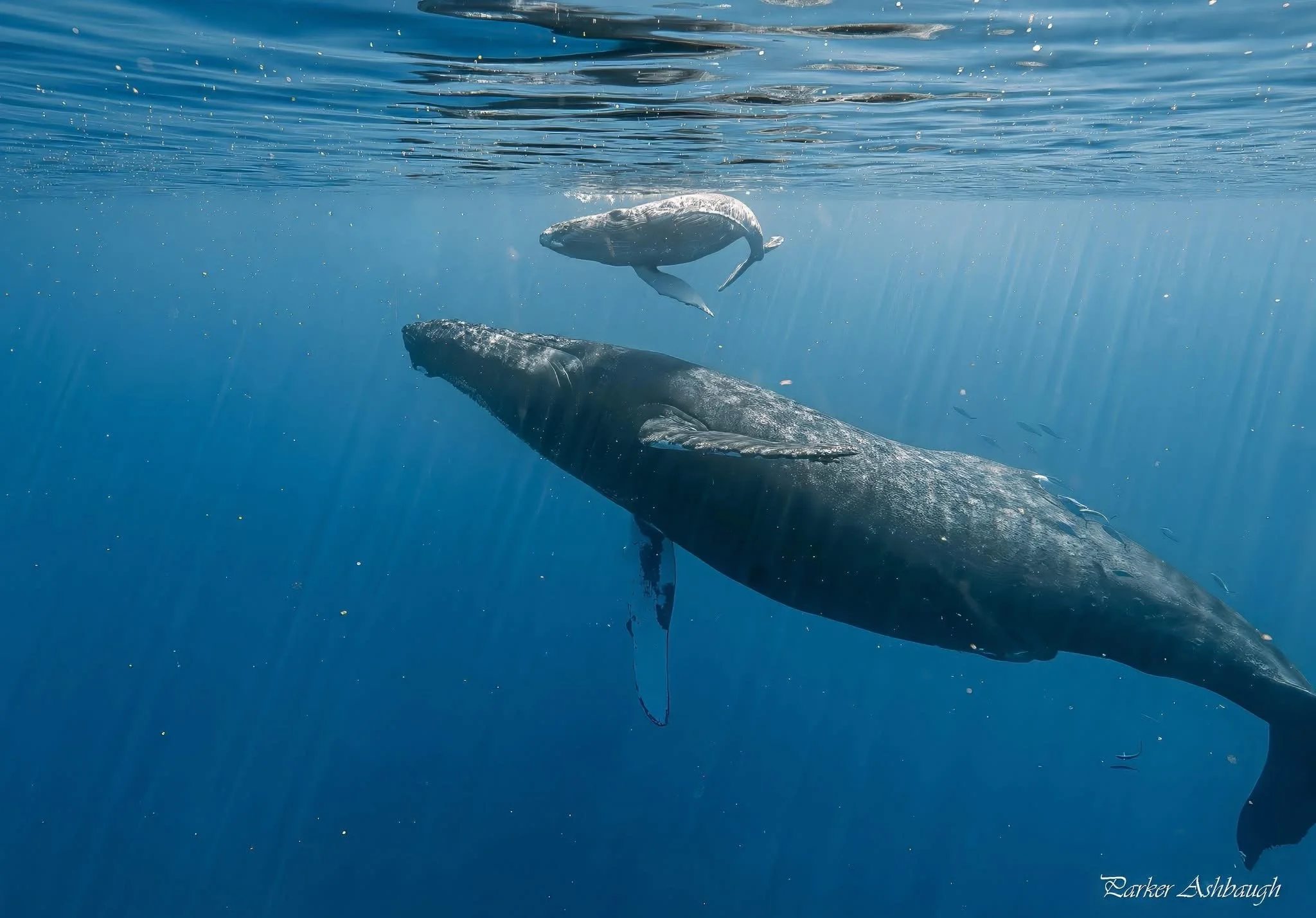
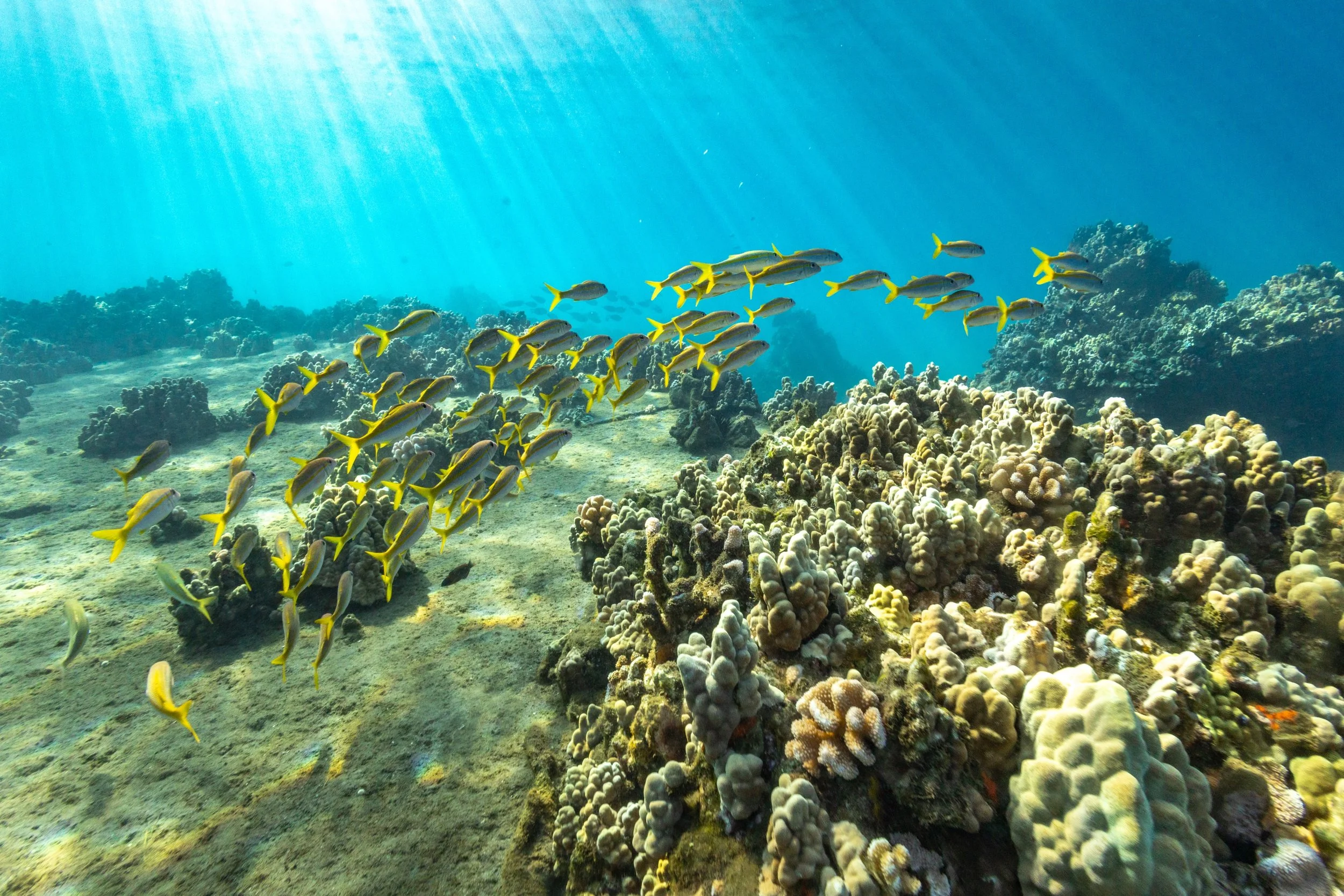
The coral reefs that surround our islands create habitat for countless marine species. Honu (Hawaiian green sea turtles) graze on algae growing along reef systems. Schools of reef fish depend on healthy coral structures for shelter. During winter months, North Pacific humpback whales return to Hawaiian waters to breed, calve, and nurse their young. Each species is part of an interconnected system that depends on healthy oceans.
When the ocean thrives, life thrives.
Understanding Mālama Kai

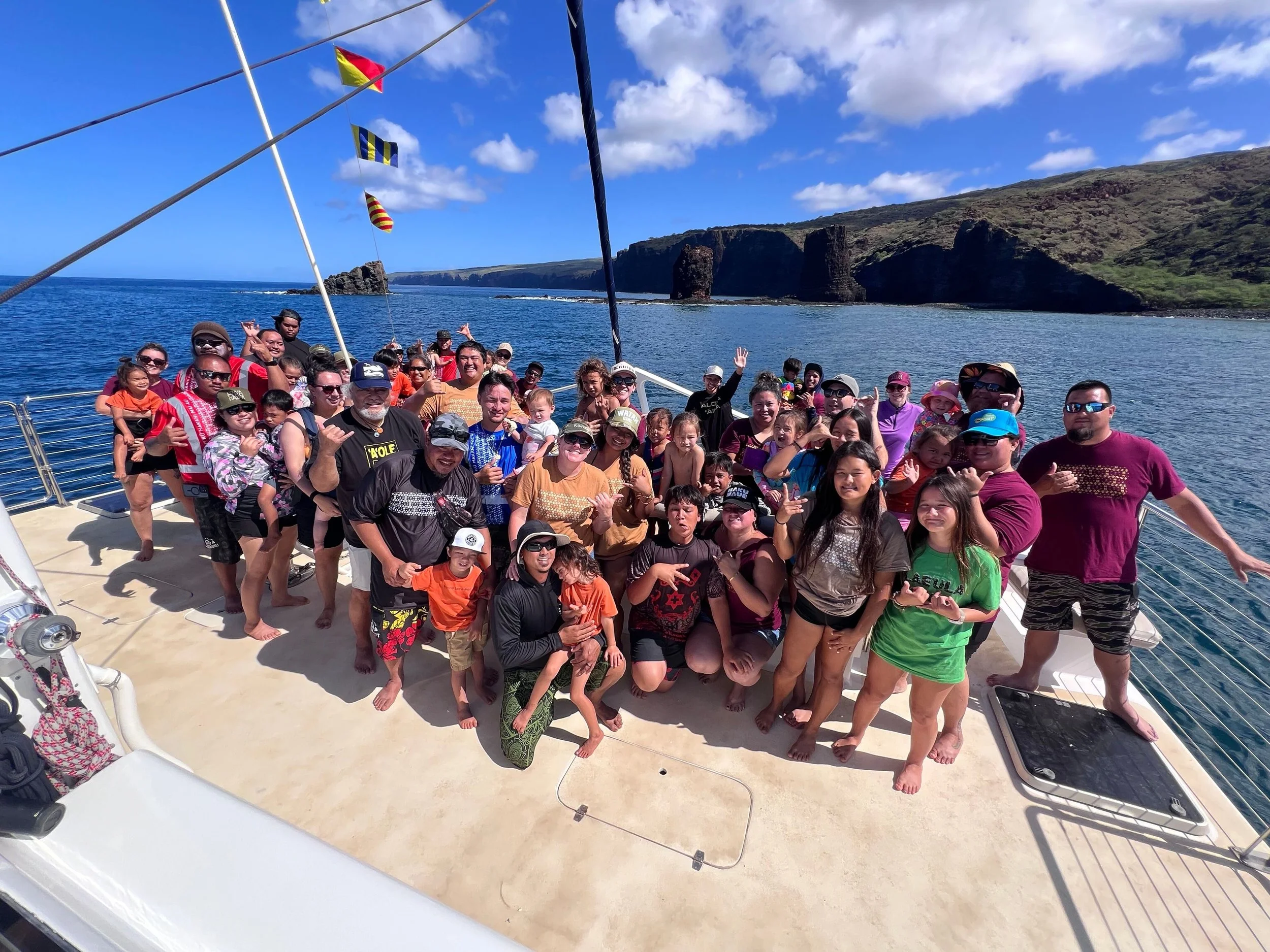
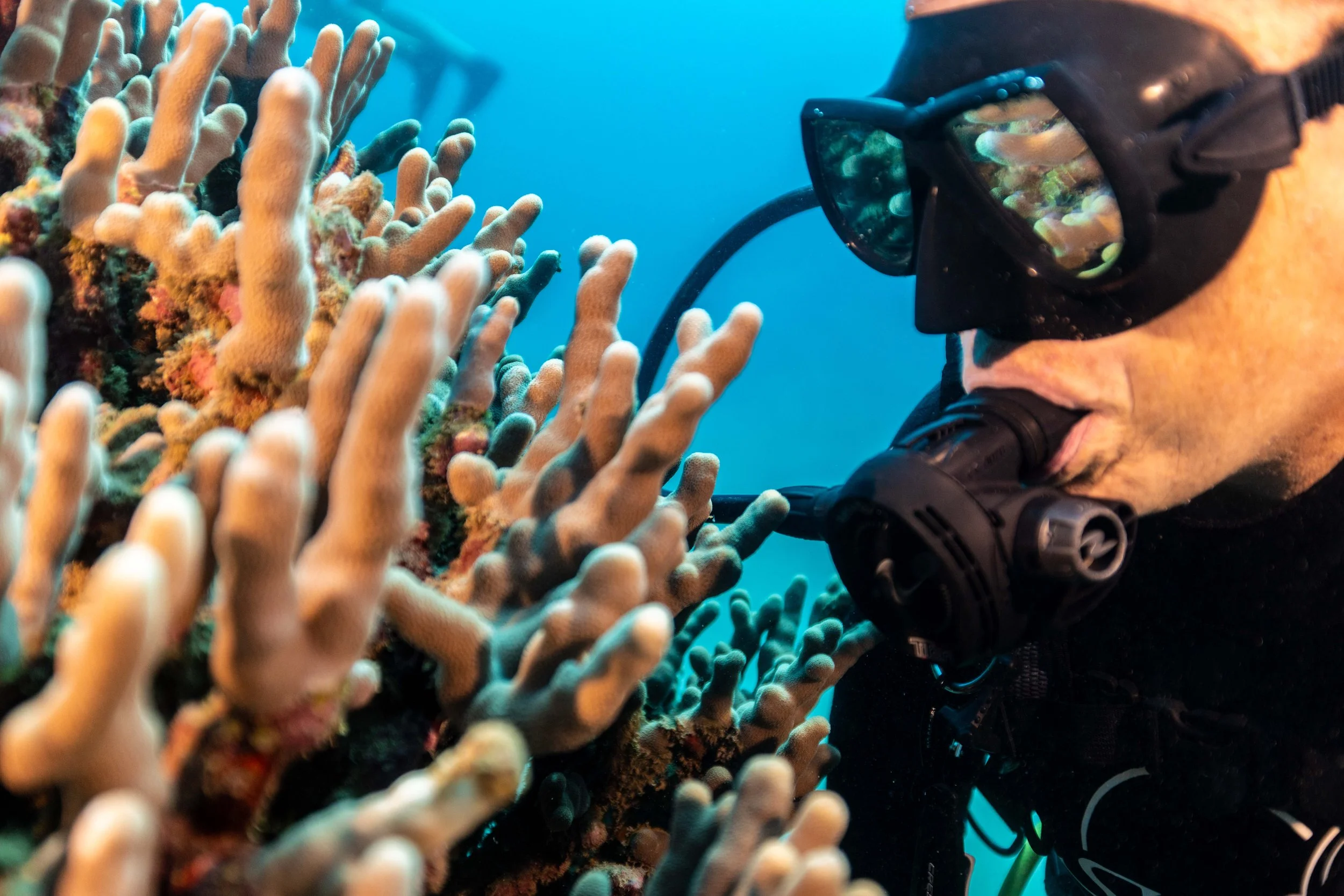
In Hawaiʻi, ocean stewardship is often expressed through the phrase mālama kai—to care for and protect the ocean.
Mālama kai recognizes that people are not separate from nature. We are participants in it. The health of our communities, our reefs, our fisheries, and our future are all connected to the health of the sea.
Practicing mālama kai does not always require grand gestures.
It can look like:
Choosing reef-safe sunscreen
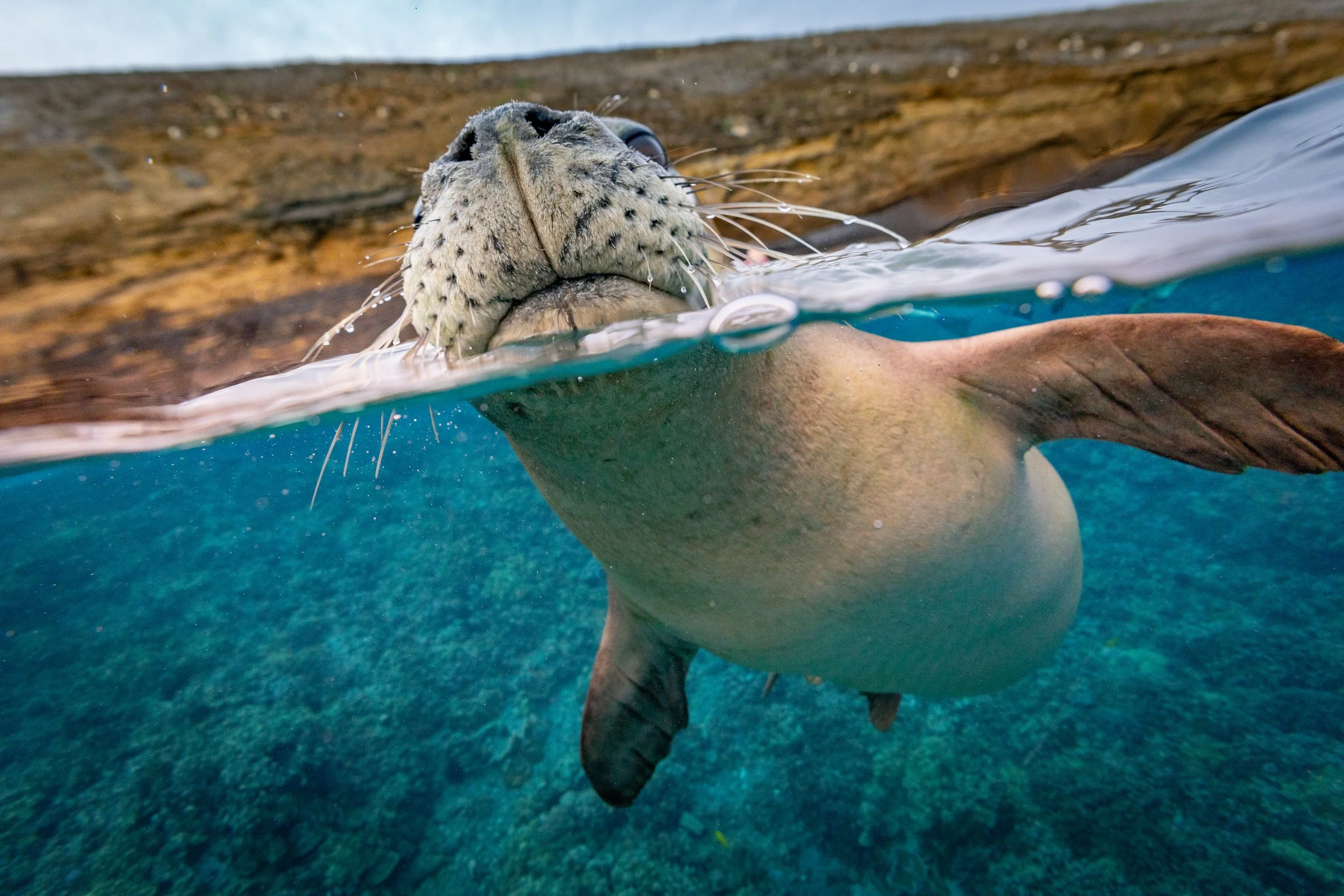
Respecting marine wildlife viewing distances
Properly disposing of waste
Participating in beach and reef cleanups
Supporting organizations committed to conservation
Teaching future generations to appreciate and protect the ocean
Small actions, repeated consistently, create meaningful change—to care for and protect the ocean.
Why Coral Reefs Matter
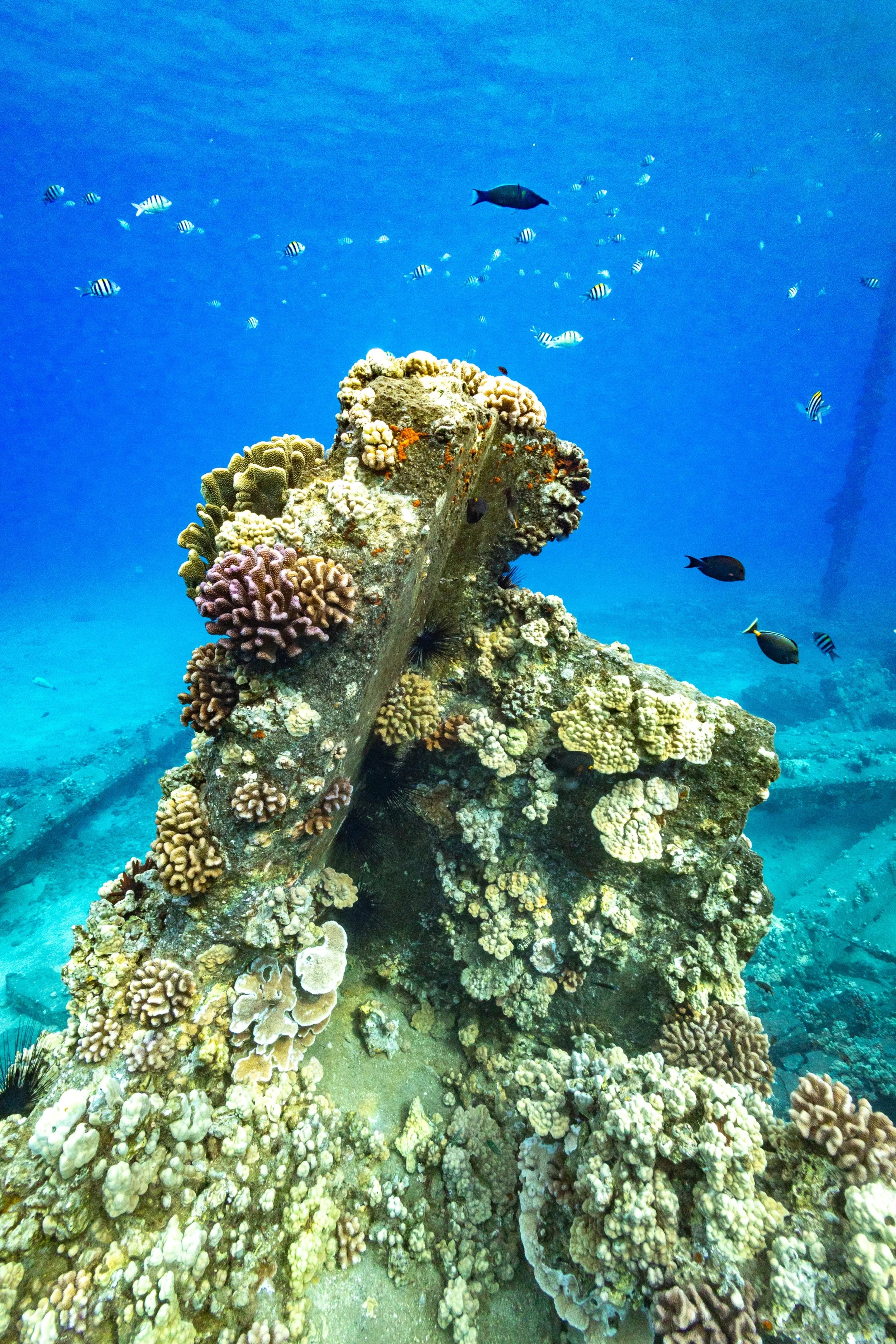
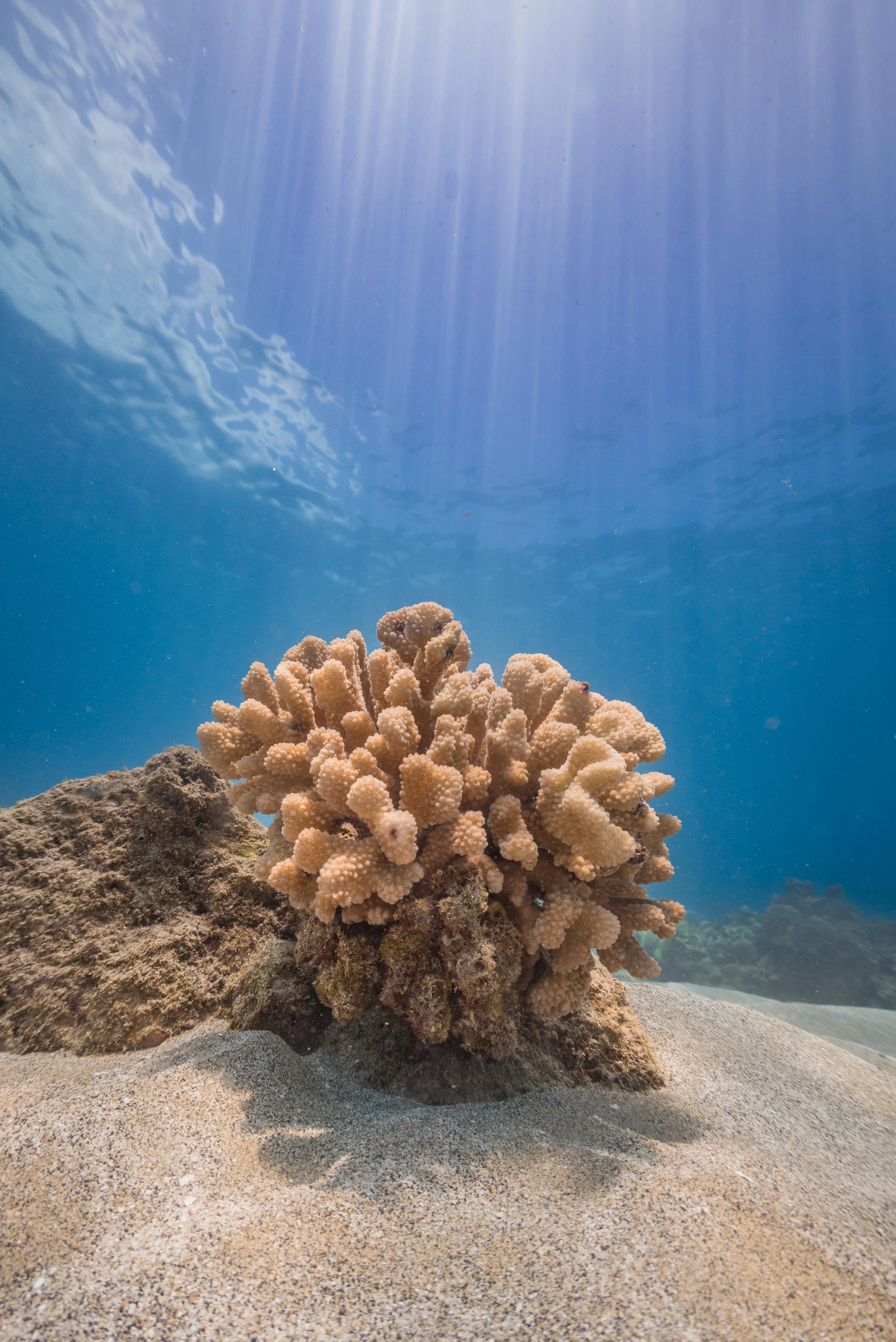
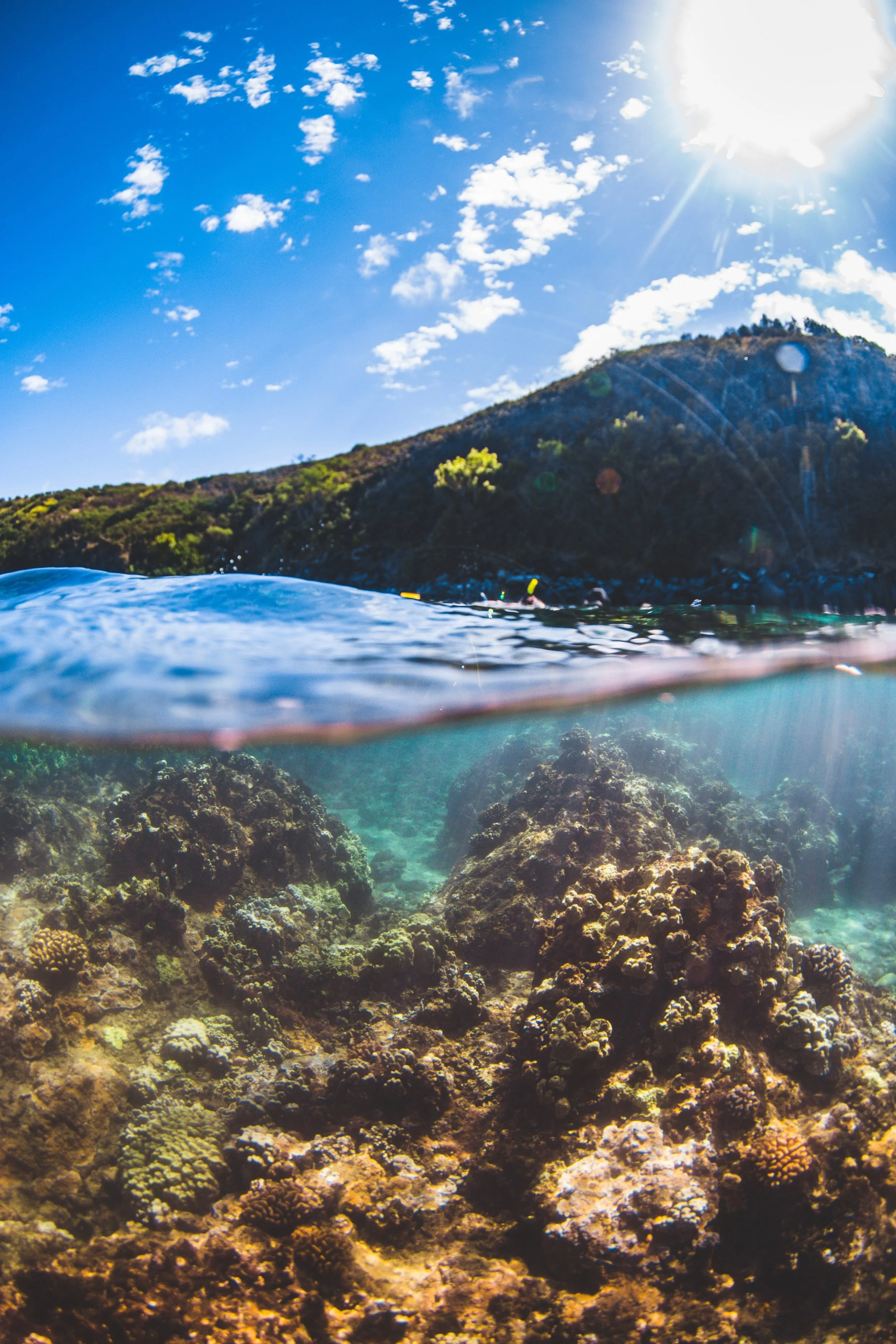
Coral reefs are often called the rainforests of the sea.
Reefs are the foundation of life in many coastal ecosystems. They provide shelter for thousands of marine species, including many fish that spend part of their lives hidden among coral branches. Without healthy reefs, many of the animals we love seeing on the water simply wouldn't have a place to feed, reproduce, or find protection.
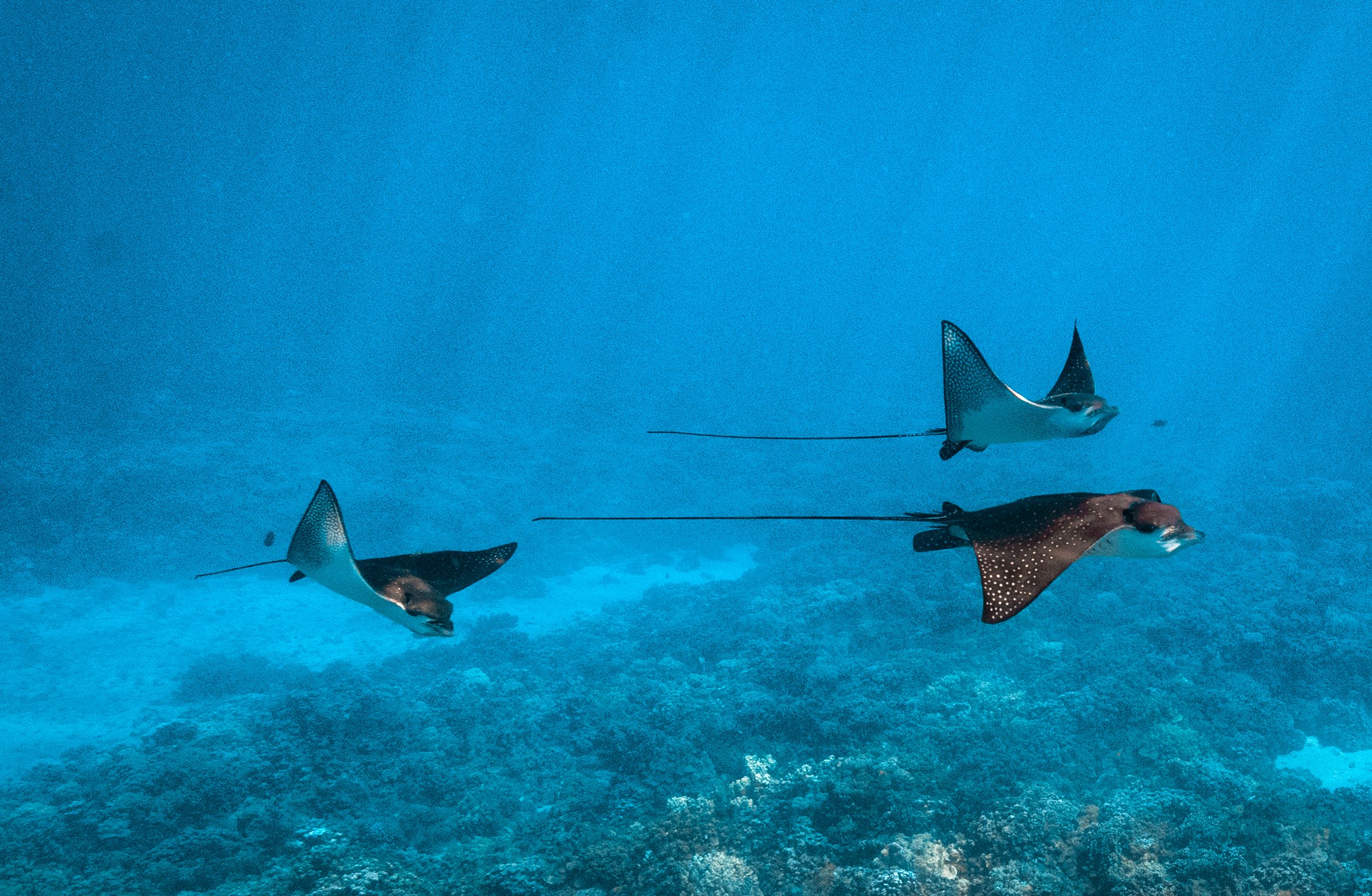
Here on Maui, coral reefs help support the incredible biodiversity that makes our waters so special. The honu grazing on algae, the schools of butterflyfish weaving through coral heads, and countless other reef inhabitants all depend on these living ecosystems.
Coral reefs also help protect coastlines by absorbing wave energy before it reaches shore. Healthy reefs can reduce coastal erosion and help buffer communities from storms and powerful surf.
The challenge is that reefs around the world are under increasing pressure from warming oceans, pollution, sediment runoff, invasive species, and physical damage caused by human activity.
The good news?
Every reef-safe sunscreen chosen, every piece of trash removed from a shoreline, and every responsible wildlife encounter helps contribute to healthier oceans.
Protecting coral reefs isn't only about preserving what lies beneath the surface. It's about protecting the entire web of life that depends on them—including us.
Giving Back Through Blue ʻĀina
@sailtrilogy Another Month, Another Blue 'Aina Sail🌊 On May 7, Trilogy partnered once again with The Marine Institute (MOCMI) for a Blue ʻĀina sail focused on permitted coral collection and restoration work on Maui. These corals will help researchers better understand heat resilience, support future propagation efforts, and eventually be replanted back into Maui’s waters. What made the day even more meaningful was seeing so many Trilogy crew members, friends, and community volunteers give their time to support the work. Hosting guests aboard our boats allows us to give back to the ocean that has cared for our family and community for generations. Mahalo to @mocmarineinstitue for the work they continue to lead, and to everyone who showed up ready to mālama kai. 🪸 #BlueAina #Maui #Olowalu #CoralRestoration #MalamaKai ♬ Reflections on 52nd - AGM3
At Trilogy, stewardship is woven into the fabric of who we are.
For decades, the Coon family has been involved in marine conservation efforts throughout Hawaiʻi. Their work has included advocacy for marine protected areas, participation in whale sanctuary initiatives, reef monitoring programs, marine debris removal efforts, and partnerships with conservation organizations.
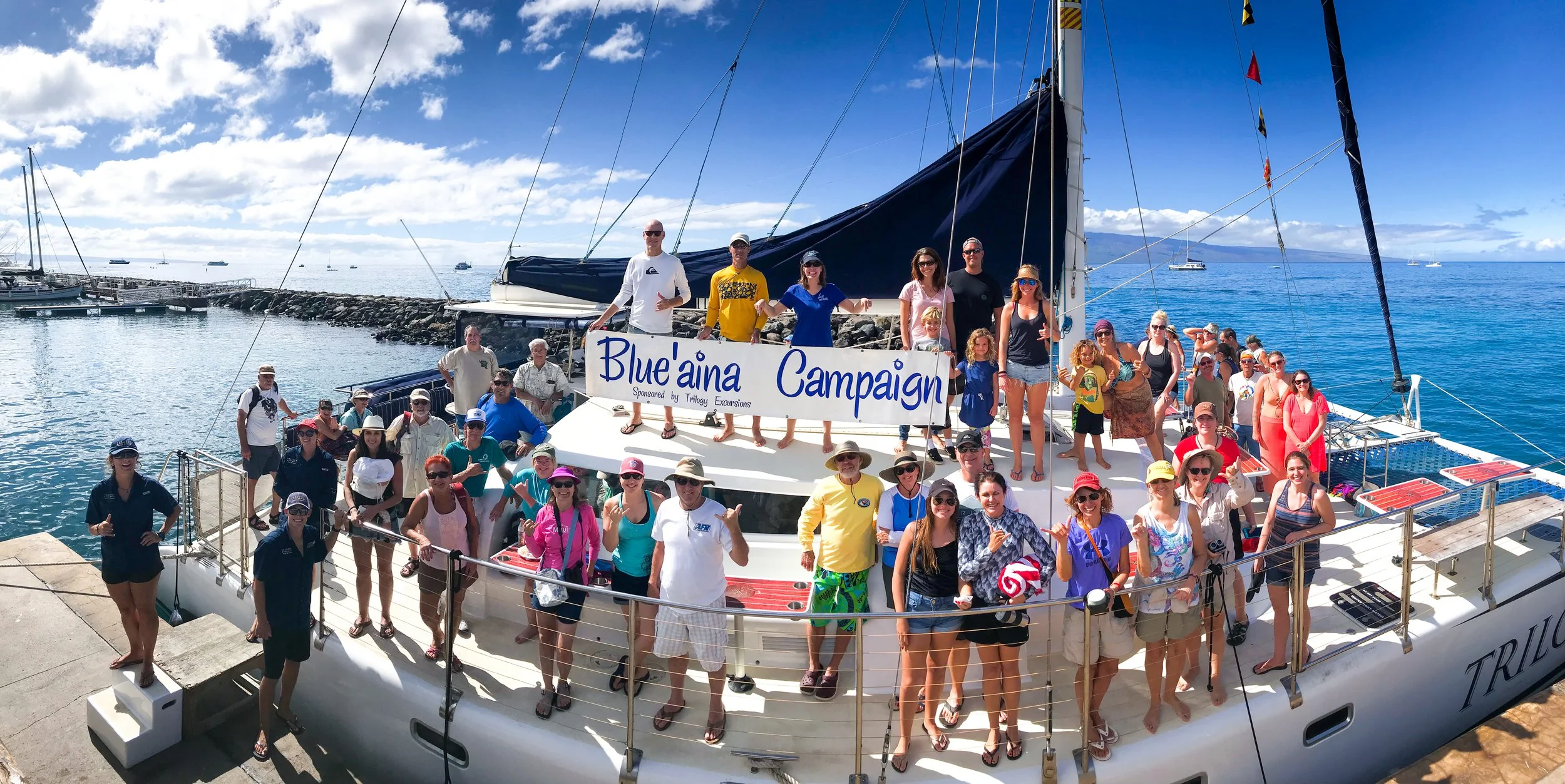
One of the ways we continue that commitment today is through Blue ʻĀina.
Blue ʻĀina brings together crew members, guests, community organizations, and volunteers to care for Maui's reefs and shorelines. What began as a cleanup initiative has grown into an ongoing effort focused on stewardship, education, and community action. Trilogy launched the Blue ʻĀina Reef Cleanup program to organize regular reef cleanups and support local nonprofit organizations working to protect our marine environment.
Over the years, Trilogy crews have participated in shoreline cleanups on Kahoʻolawe, reef restoration efforts, fish monitoring programs, and community volunteer projects that support the health of Maui Nui's ocean ecosystems.
These efforts are not about recognition. They are about kuleana (responsibilty).
Can't Make It to Maui for a Blue ʻĀina Sail? You Can Still Help the Ocean.
One of the most inspiring things about World Ocean Day is that ocean stewardship doesn't require living near the ocean—or even visiting one.
No matter where you call home, there are meaningful ways to support the health of our seas.
Support Organizations Making a Difference
World Ocean Day
The official World Ocean Day organization coordinates global events, educational programs, cleanup initiatives, and conservation campaigns that connect people around the world through a shared commitment to ocean health.
https://worldoceanday.org
Ocean Conservancy
Known for organizing the International Coastal Cleanup, Ocean Conservancy works to remove marine debris, advocate for science-based ocean policy, and protect marine ecosystems worldwide.
https://oceanconservancy.org
The Ocean Cleanup
This nonprofit develops technologies designed to remove plastic pollution from rivers and the open ocean before it can spread further.
https://theoceancleanup.com
Mission Blue
Founded by marine biologist Dr. Sylvia Earle, Mission Blue works to establish, and support protected marine areas known as Hope Spots around the globe.
https://mission-blue.org
Coral Reef Alliance
Focused on protecting and restoring coral reefs, this organization supports science-based conservation efforts in reef ecosystems worldwide.
https://coral.org
Participate Locally
Want to do something more hands-on?
Look for:
Beach cleanups in your community
River and stream restoration projects
Watershed protection programs
Educational events hosted by aquariums and marine science centers
Community volunteer days focused on reducing pollution
Many of the pollutants that reach the ocean begin far inland. Caring for local waterways ultimately helps protect the sea.
Start With Small Changes
Some of the most effective actions happen at home.
Choose reusable water bottles and shopping bags. Reduce single-use plastics when possible. Dispose of waste responsibly. Learn about the marine ecosystems connected to your region and share that knowledge with family and friends.
Stewardship begins with awareness. And awareness often begins with a single choice.
Whether you join a Blue ʻĀina cleanup on Maui, participate in a shoreline restoration project in your hometown, or simply make more ocean-friendly choices each day, you are helping protect the waters that connect us all.
The Ocean Belongs to Future Generations Too
One of the most powerful aspects of World Ocean Day is that it reminds us that conservation is not just about today.
It is about tomorrow, the day after that, and so on and so forth.
The choices we make now influence whether future generations will experience thriving coral reefs, hear humpback whales singing beneath the surface, or witness a honu gliding through clear Hawaiian waters.
For families visiting Maui, World Ocean Day offers a chance to turn a vacation into something deeper. A child who learns about coral reefs today may become a marine scientist tomorrow. A young snorkeler who sees a sea turtle respectfully from a distance may grow into an advocate for ocean conservation.
Stewardship often begins with a single meaningful experience.
How You Can Celebrate World Ocean Day
Whether you're on Maui or thousands of miles away, there are many ways to participate:
Learn about local marine ecosystems
Reduce single-use plastics
Use reef-safe sun protection
Participate in a cleanup effort
Support marine conservation organizations
Practice responsible wildlife viewing
Share ocean education with family and friends
Every action matters. Every choice matters.
A Shared Responsibility
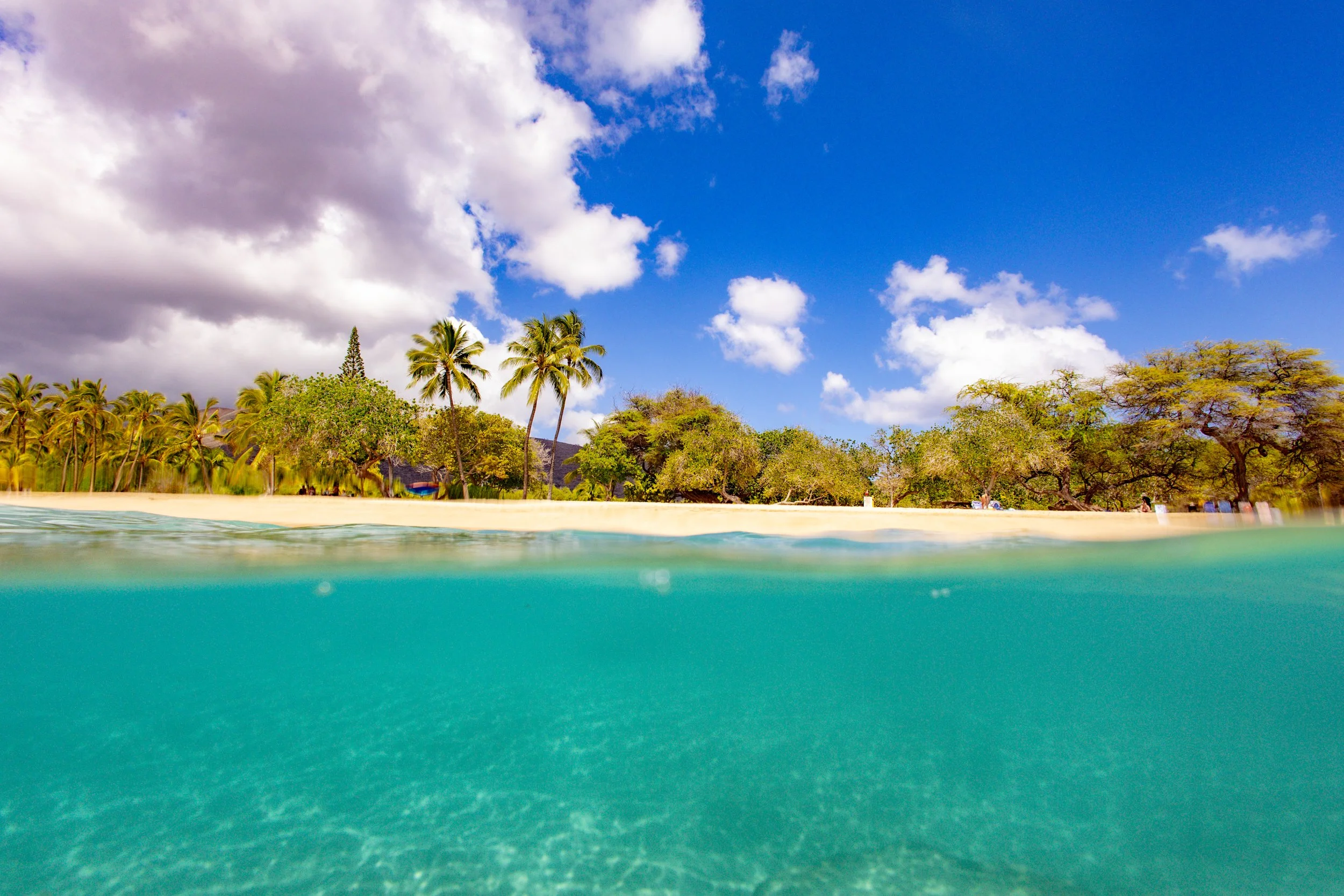
World Ocean Day reminds us that the ocean connects every coastline, every community, and every generation.
The sea gives us oxygen, food, inspiration, and life itself. In return, we have the opportunity—and the responsibility—to care for it.
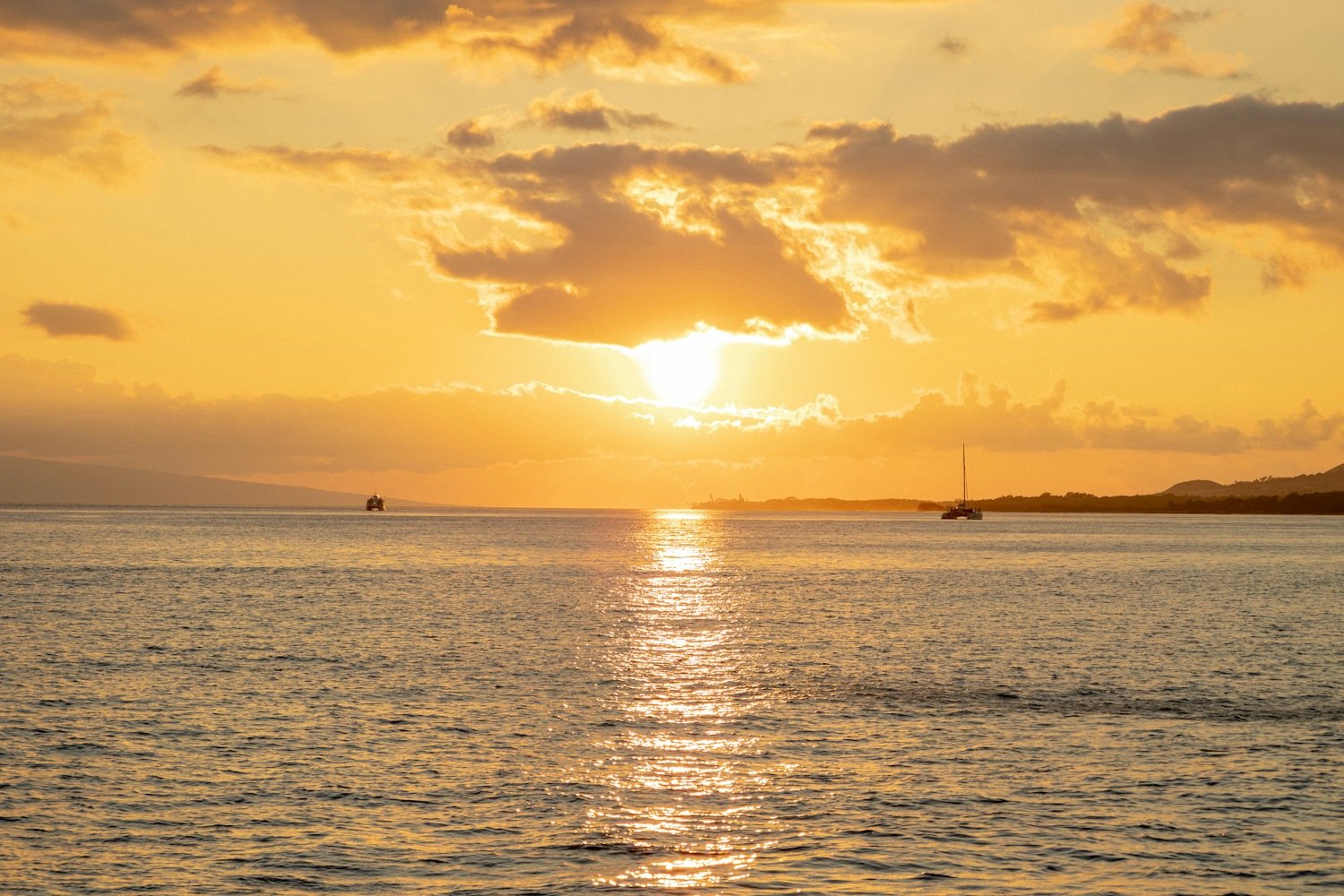
This June 8, we invite you to pause for a moment and consider your own connection to the ocean. Whether you're sailing across the ʻAuʻau Channel, snorkeling over a coral reef, watching a whale breach offshore, or simply standing at the water's edge, remember: The ocean sustains all life.
And the future of the ocean depends on all of us. Mālama kai.