Four Days on Kahoʻolawe: Planting, Learning, and Connecting with Our ʻOhana
Trilogy & Kapena’s ‘Ohana on Kaho’olawe
Aloha mai kākou— aloha to you all!
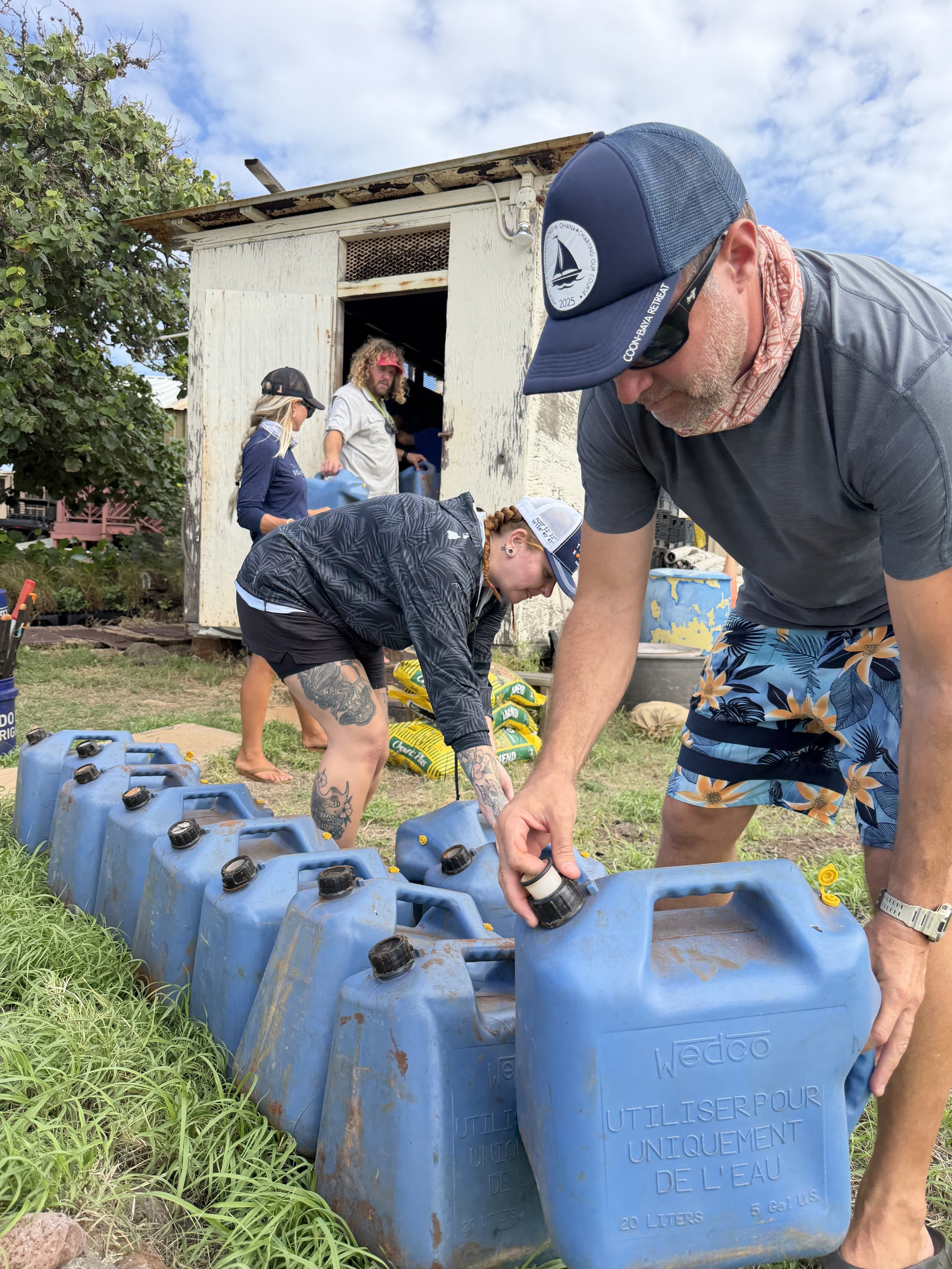
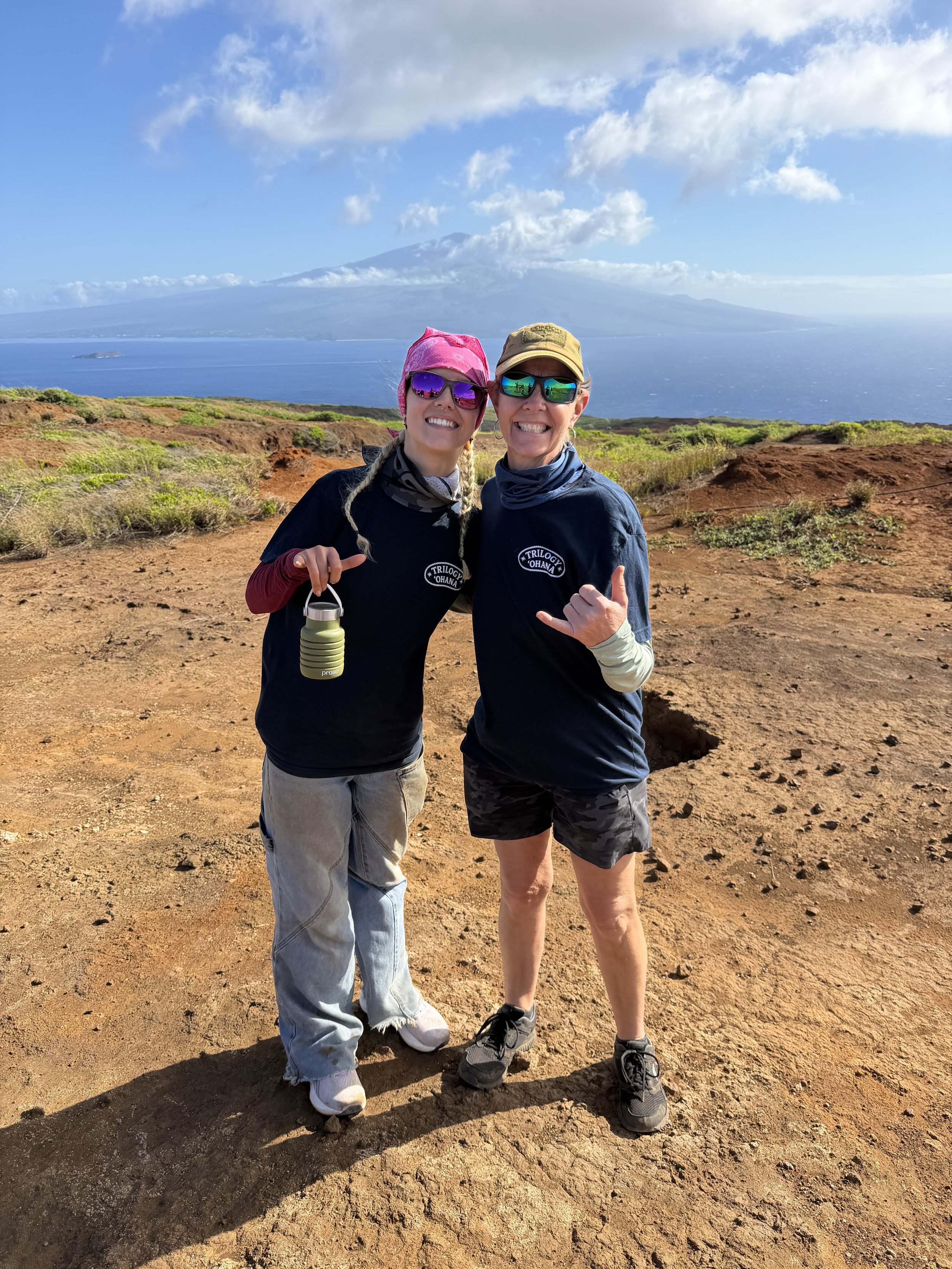
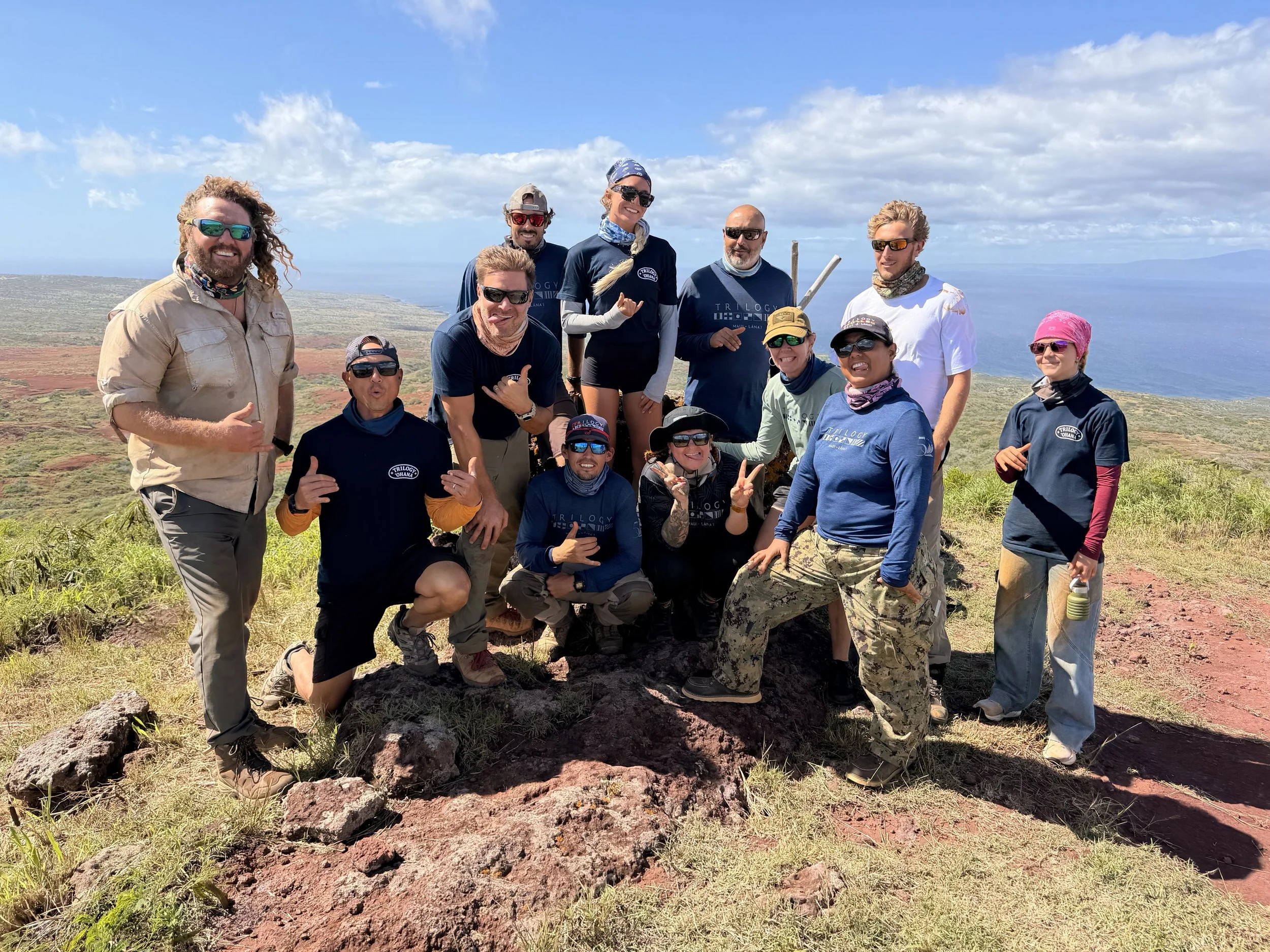
Recently, we were fortunate to bring 12 members of the Trilogy and Kapena ʻOhana to Kahoʻolawe for four days to volunteer with the Kahoʻolawe Island Reserve Commission (KIRC).
Our trip was originally scheduled for January, but after being rescheduled, we found ourselves arriving during the season of Makahiki, a traditional Hawaiian season of peace and thanksgiving honoring Lono, the god associated with agriculture, rain, and peace. It turned out to be a pretty special time to be there. Planting was the primary focus of our work, and we had the opportunity to spend our days helping restore native vegetation while learning more about the island and the people who continue to care for it.
Beyond the work itself, this huakaʻi—an educational journey—gave us time to connect with one another and deepen our understanding of a place that holds incredible significance for Native Hawaiians.
Planting for Kahoʻolawe’s Future
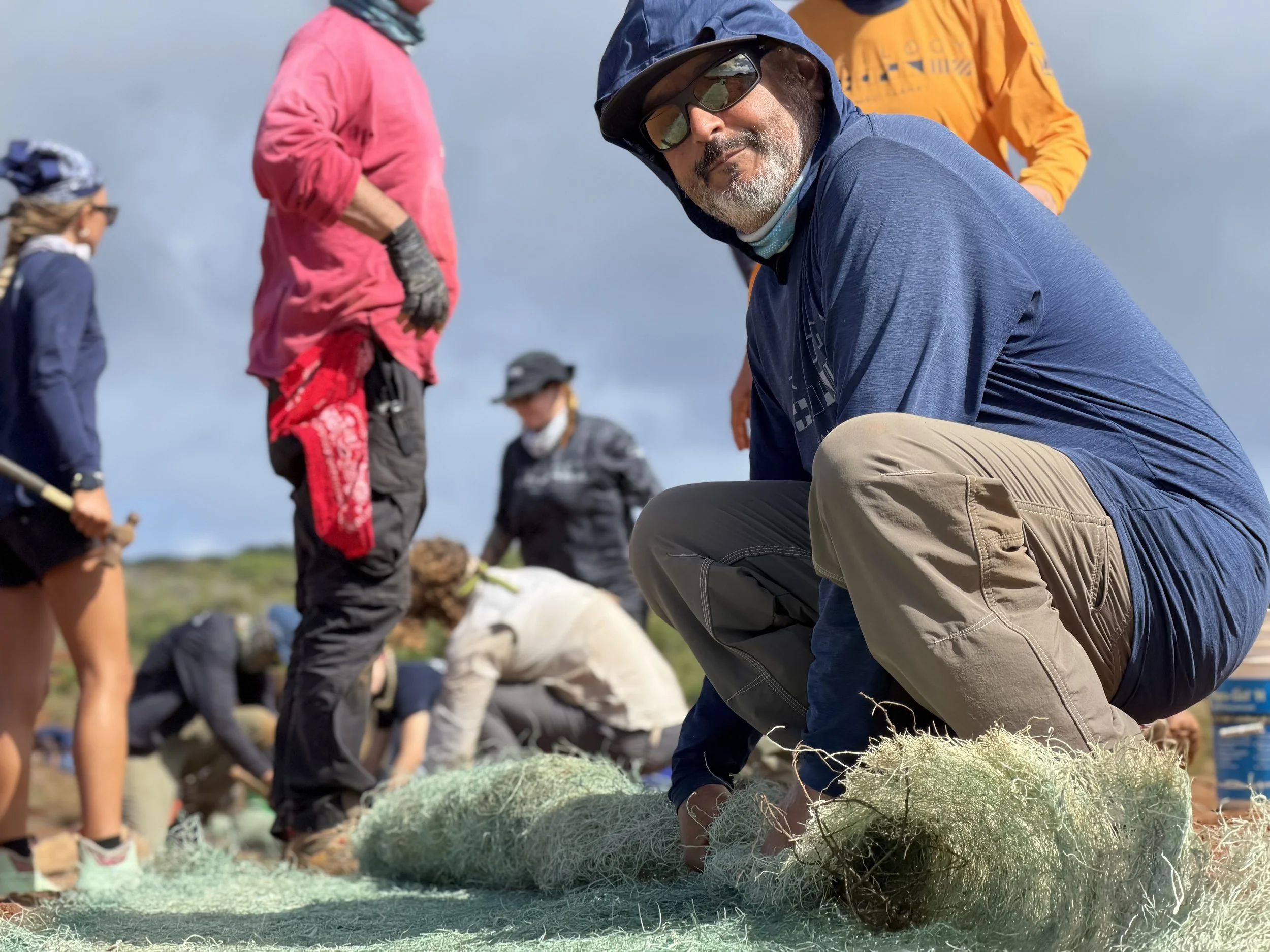
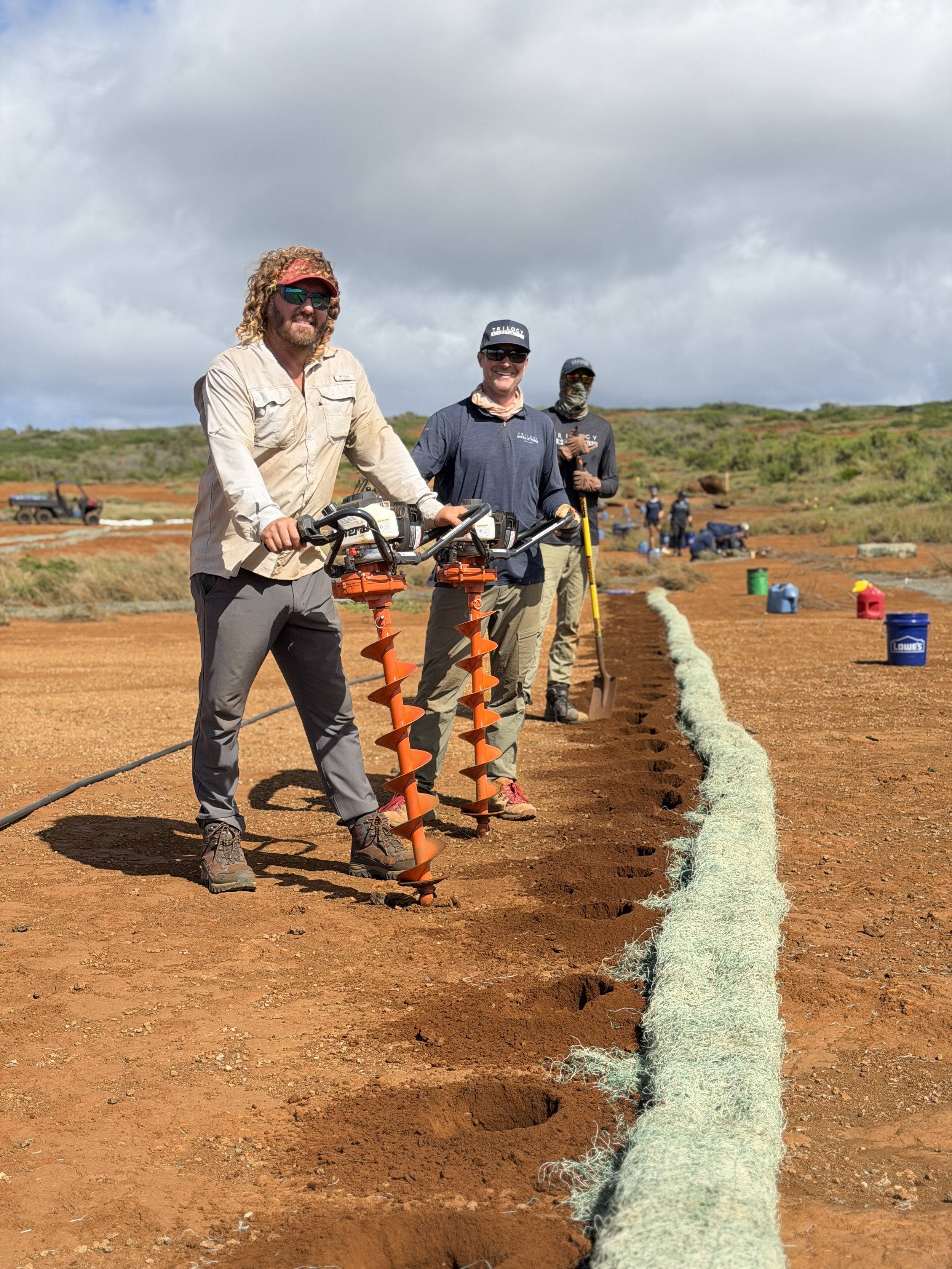
Being in the season of Makahiki, it was a perfect time for planting, which was the primary focus of our work.
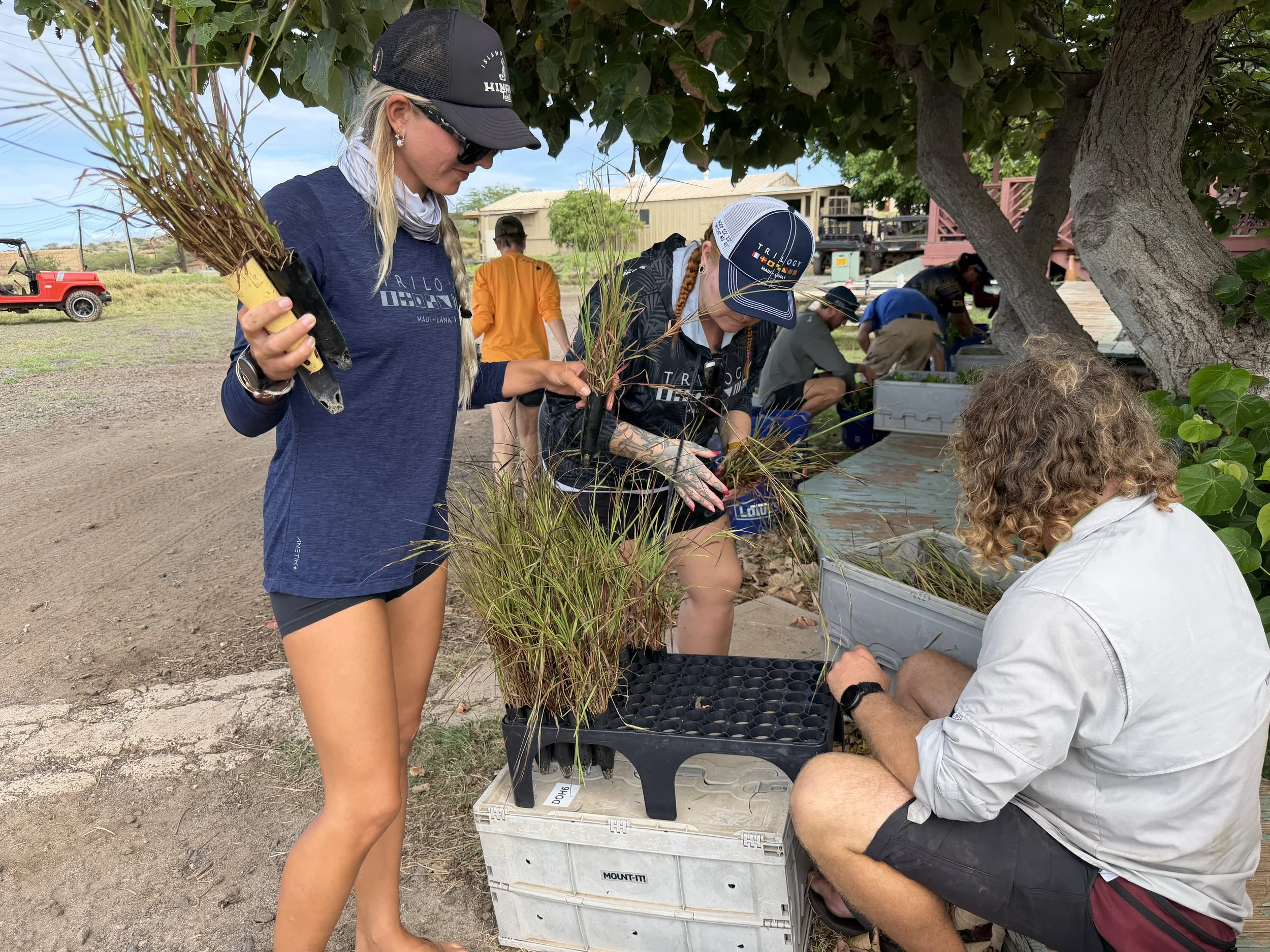
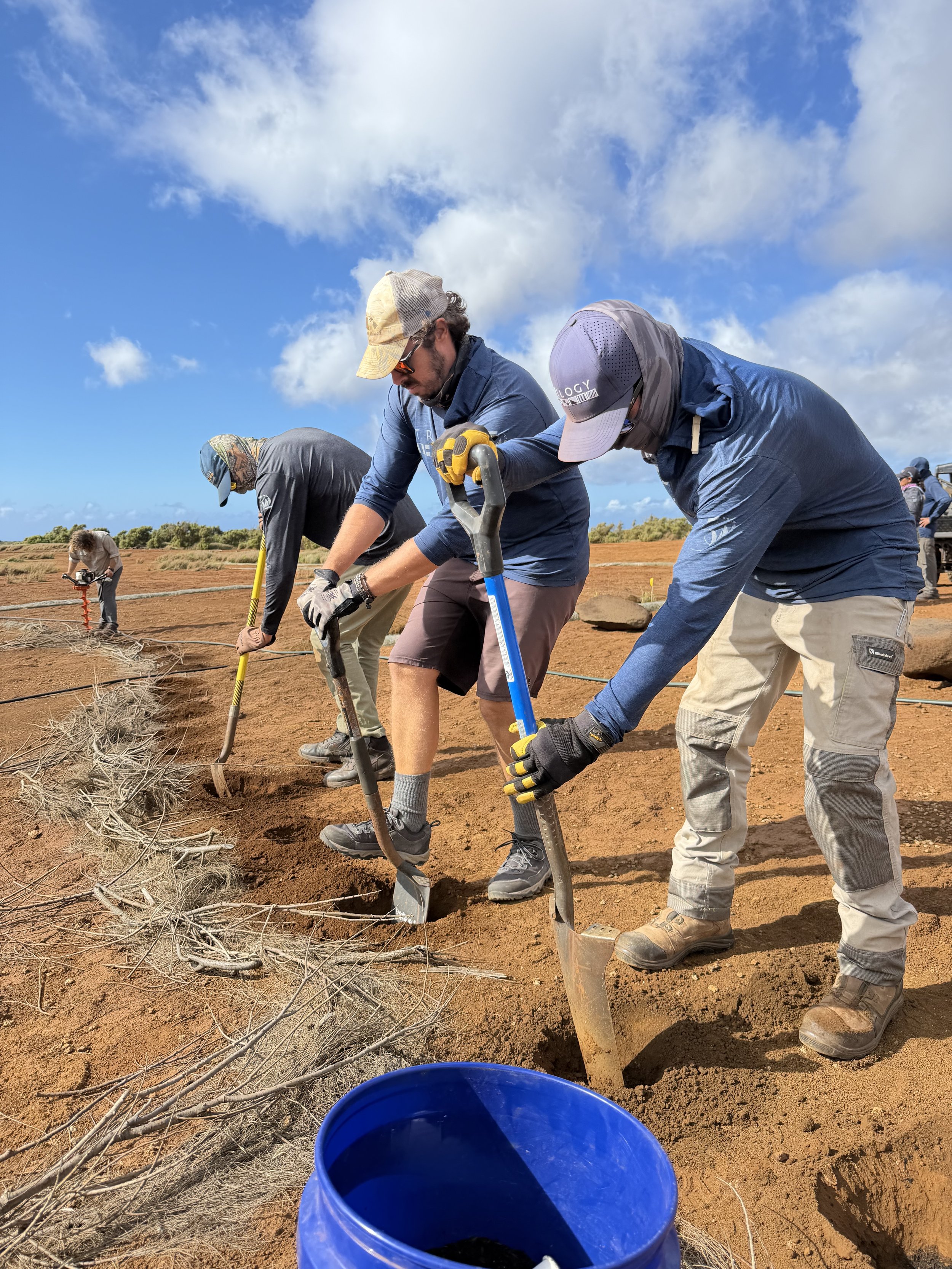
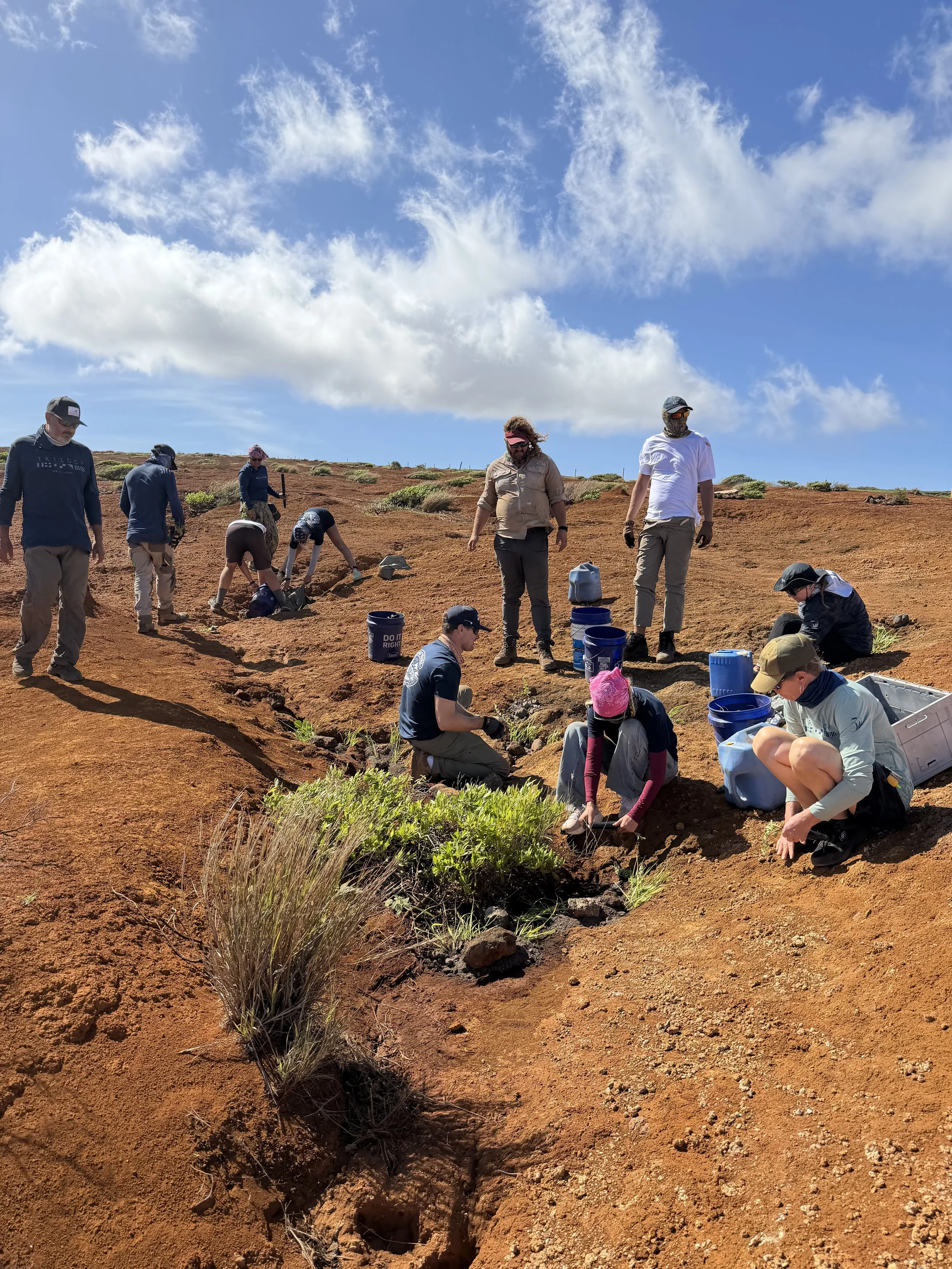
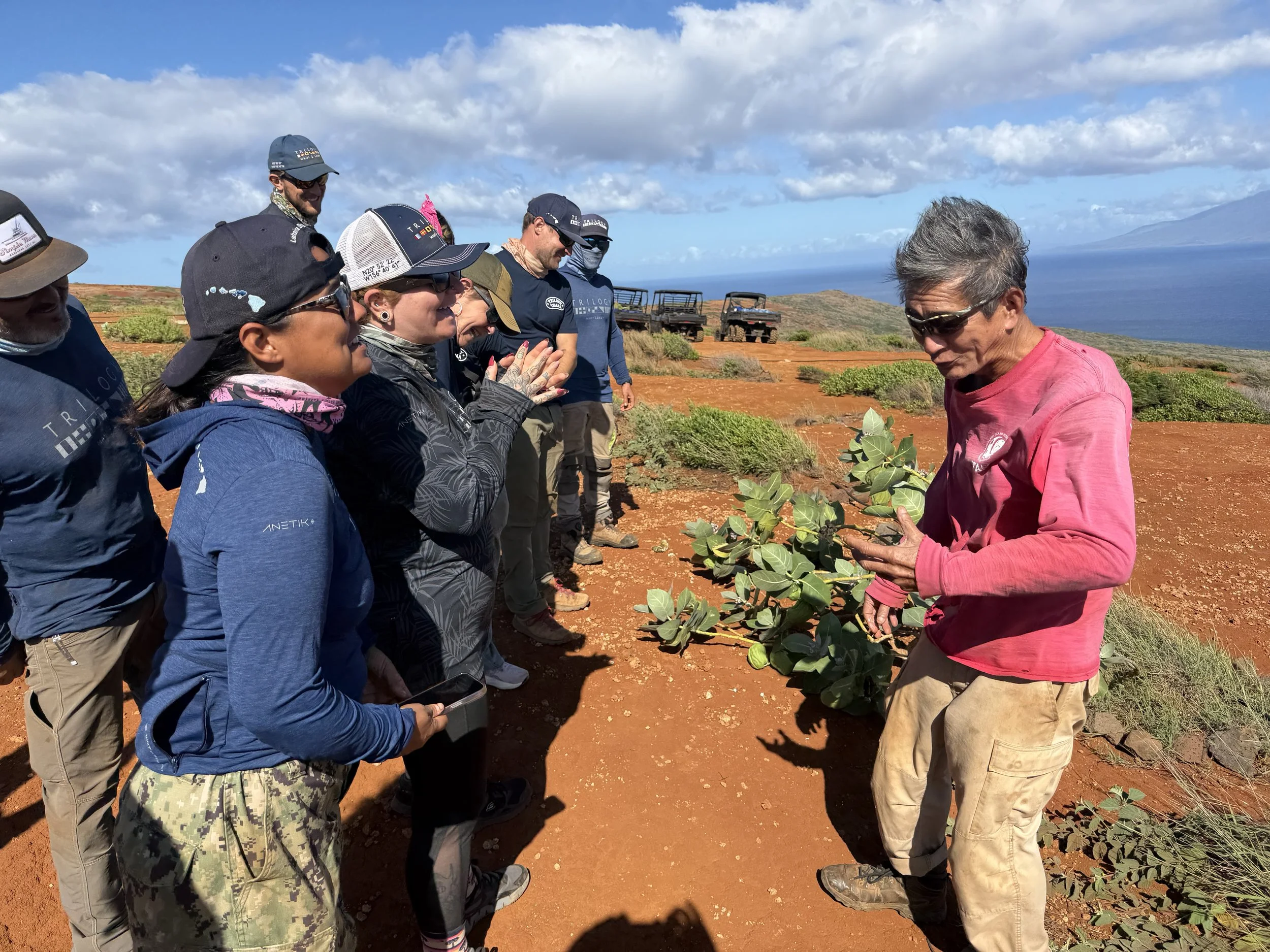
In total, we planted approximately 1,400 native plants into the rugged, hard-packed soil of Kahoʻolawe. Among them were pili, a native grass, and ʻākia, a native shrub, each becoming a small part of the ongoing effort to restore native vegetation to the island.
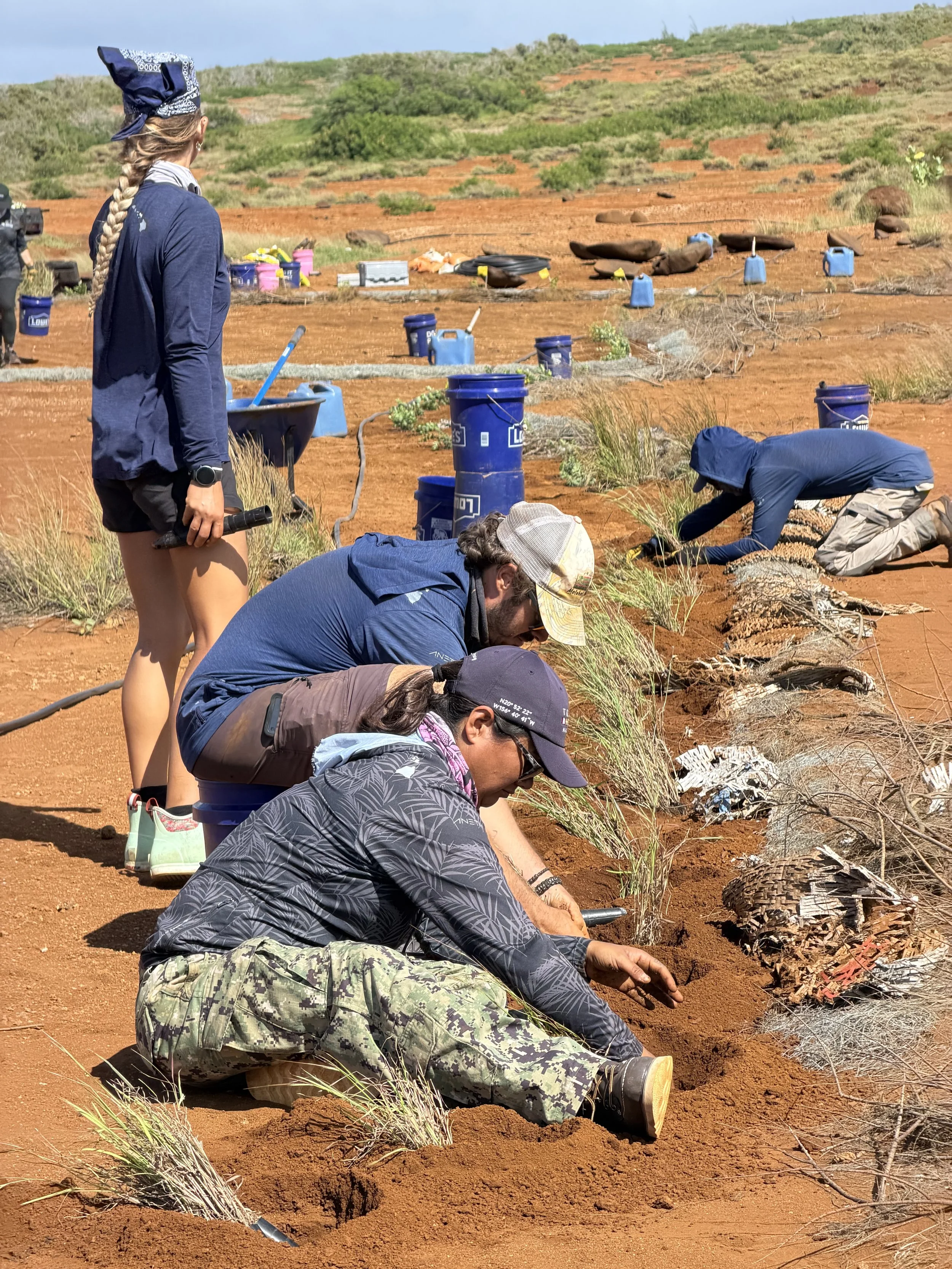
Planting Native Species
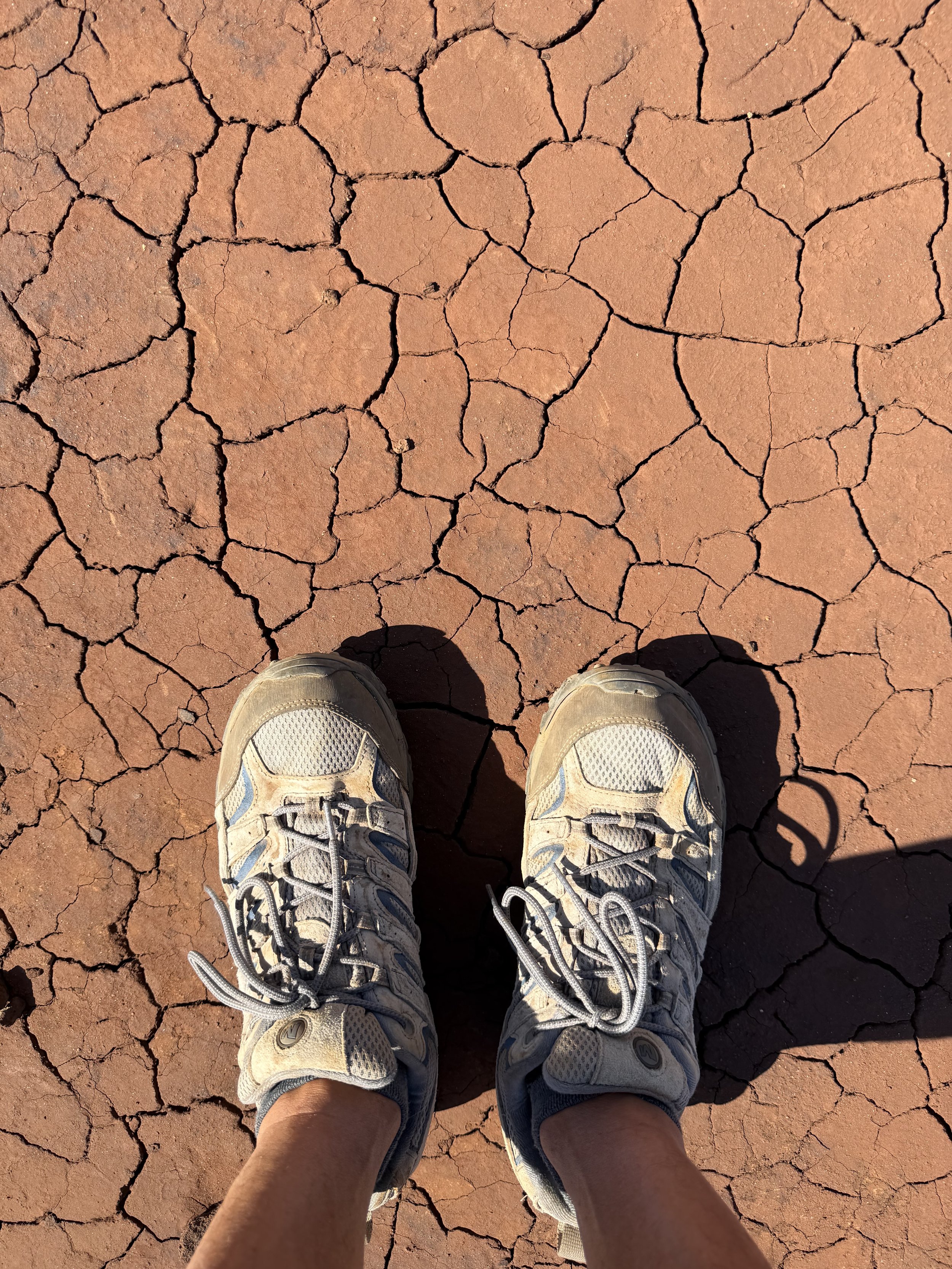
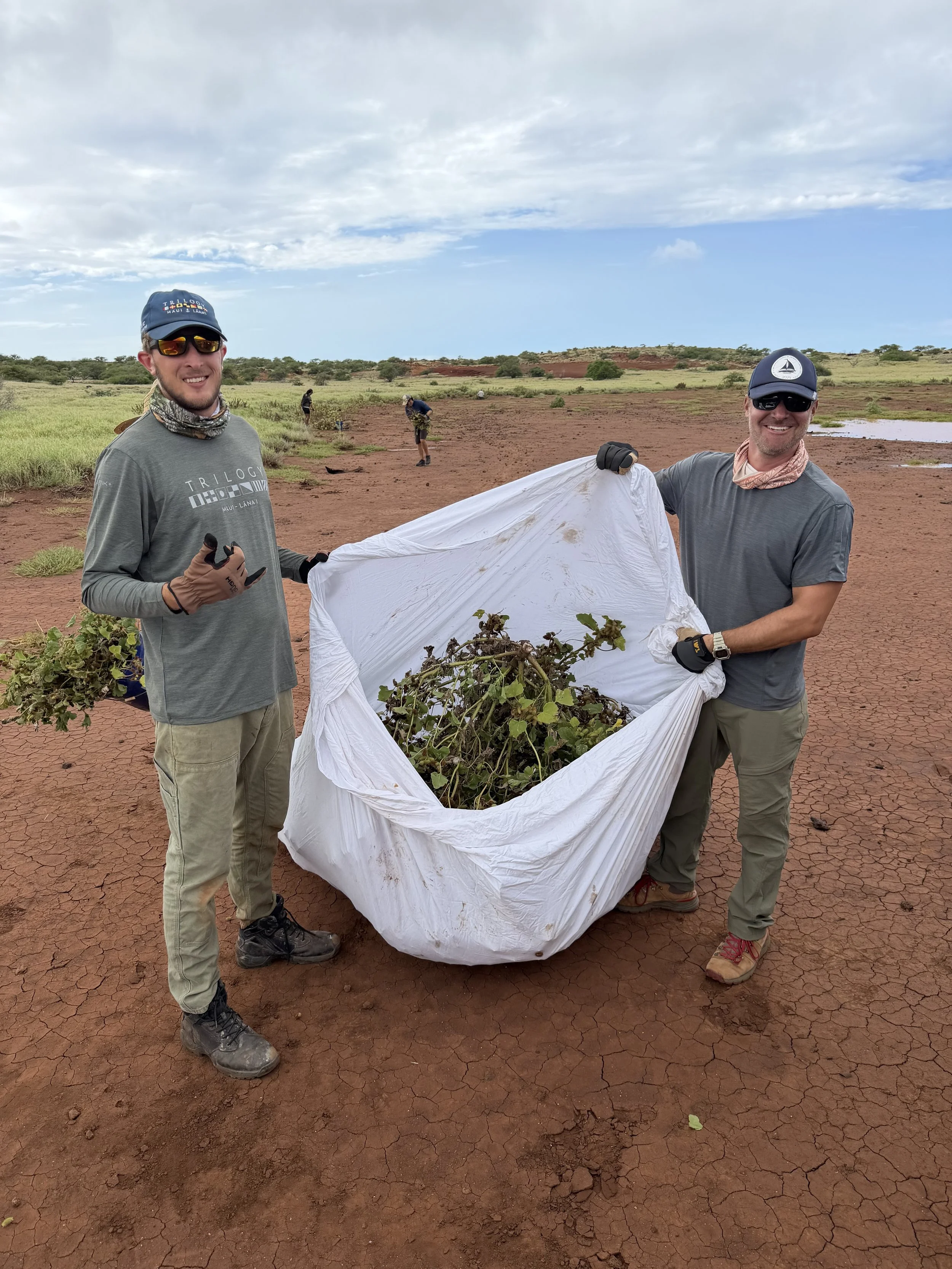
Cracked, Dry Land on Kaho’olawe
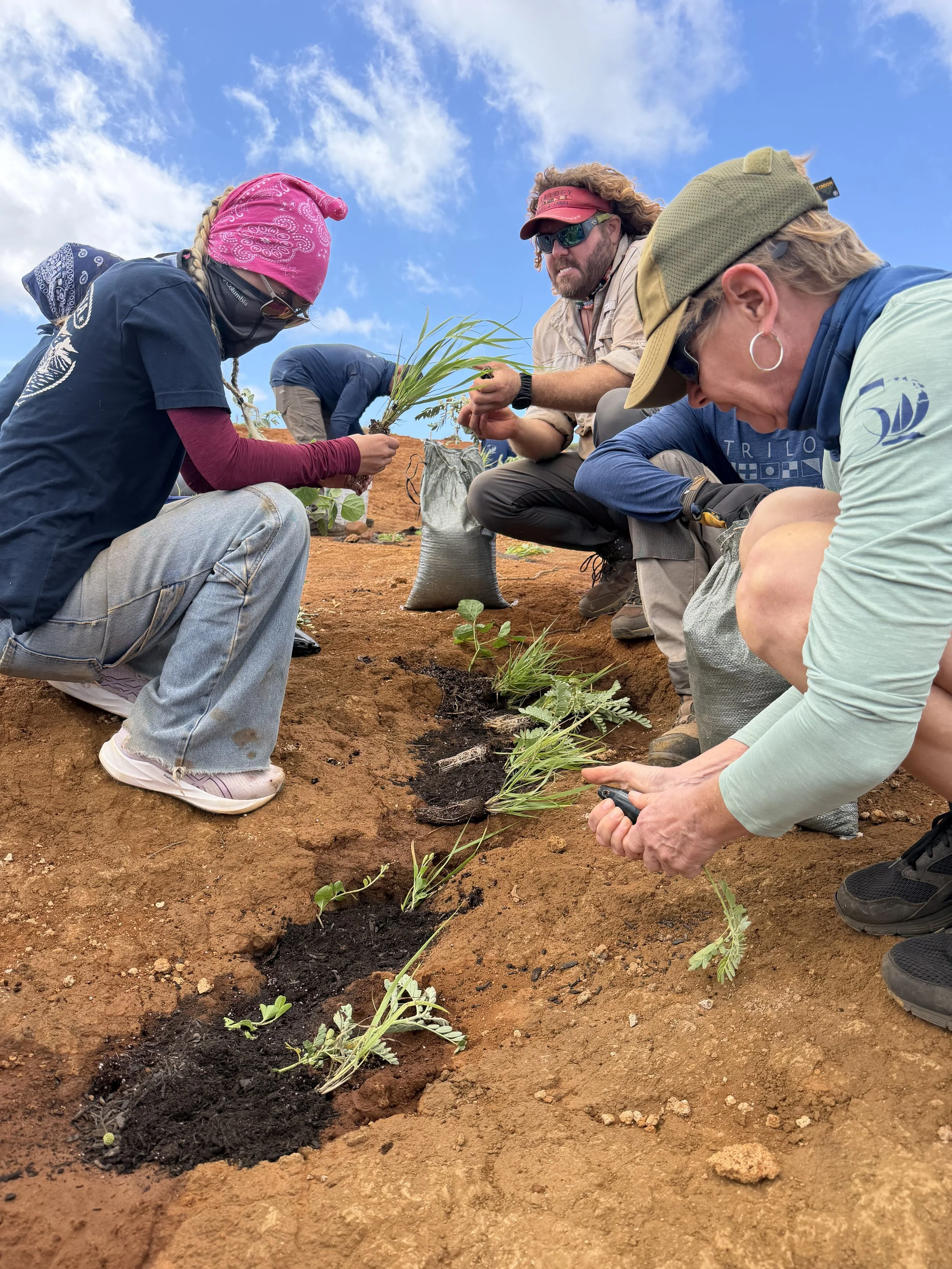
Planting Native Species
We also installed a 600-foot drip irrigation line and learned about “no-dig” planting techniques. Alongside the planting, we tried out new materials that can retain water and capture soil. Spending time doing this work gave us a better appreciation for the care and effort that go into helping plants establish themselves here.

Capt. Riley checking on the plants he planted back in 2019!
With this year being an especially wet one, we were amazed to see just how lush the island was—relatively speaking!
For Capt. Riley, there was also an opportunity to revisit plants he had helped put in the ground during his first trip to Kahoʻolawe in 2019. Seeing them still doing well years later was especially encouraging.
Our four days were a small contribution to a much longer effort, and it was pretty special to see what that continued care can look like over time.
Taking Time to Listen and Learn
Beyond the hours of conservation work, we were given the incredible opportunity to visit some of the island’s cultural and historic sites and learn more about its history and significance.
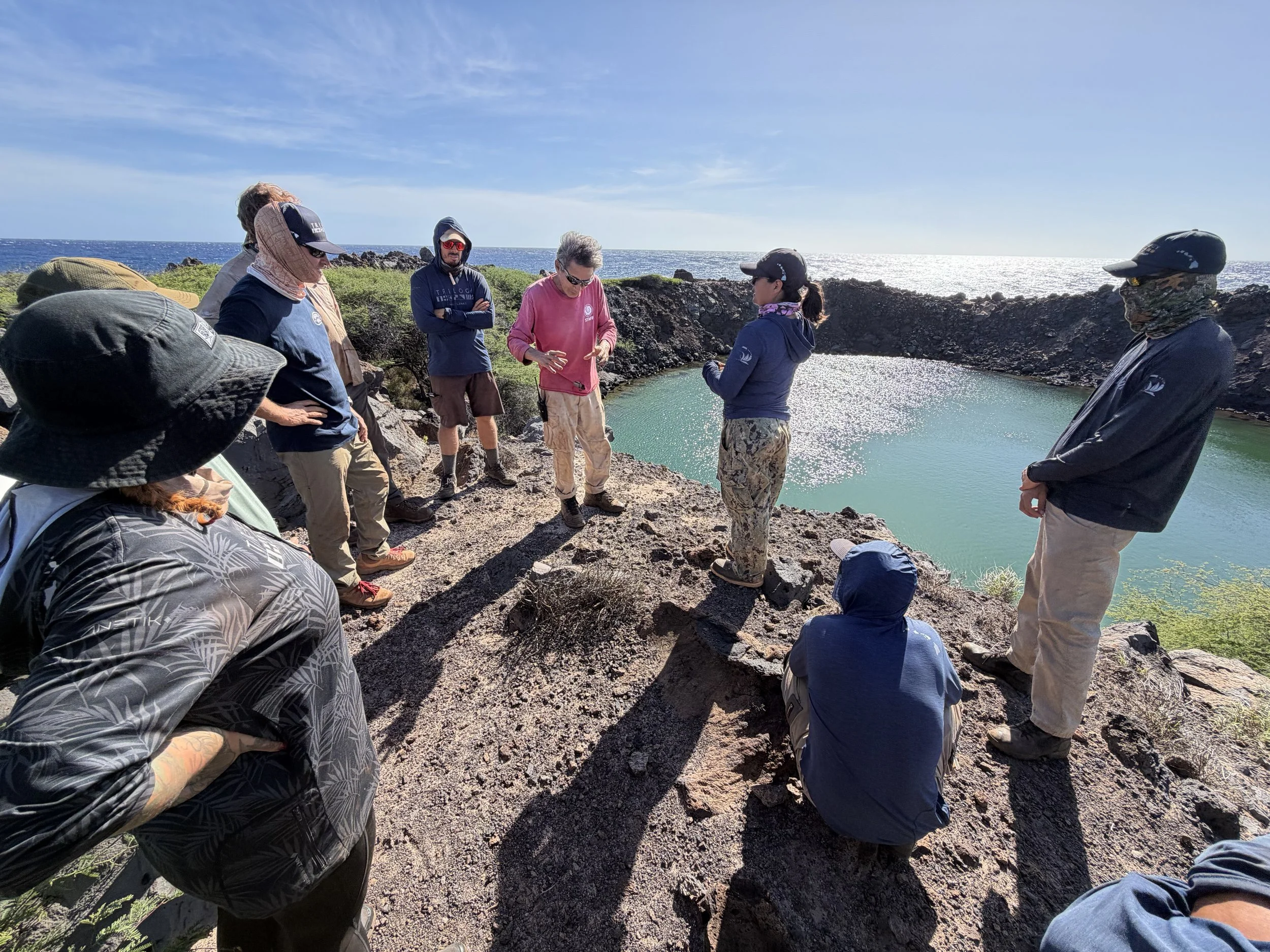
Trilogy ‘Ohana learning about Sailor’s Hat History on Kaho’olawe
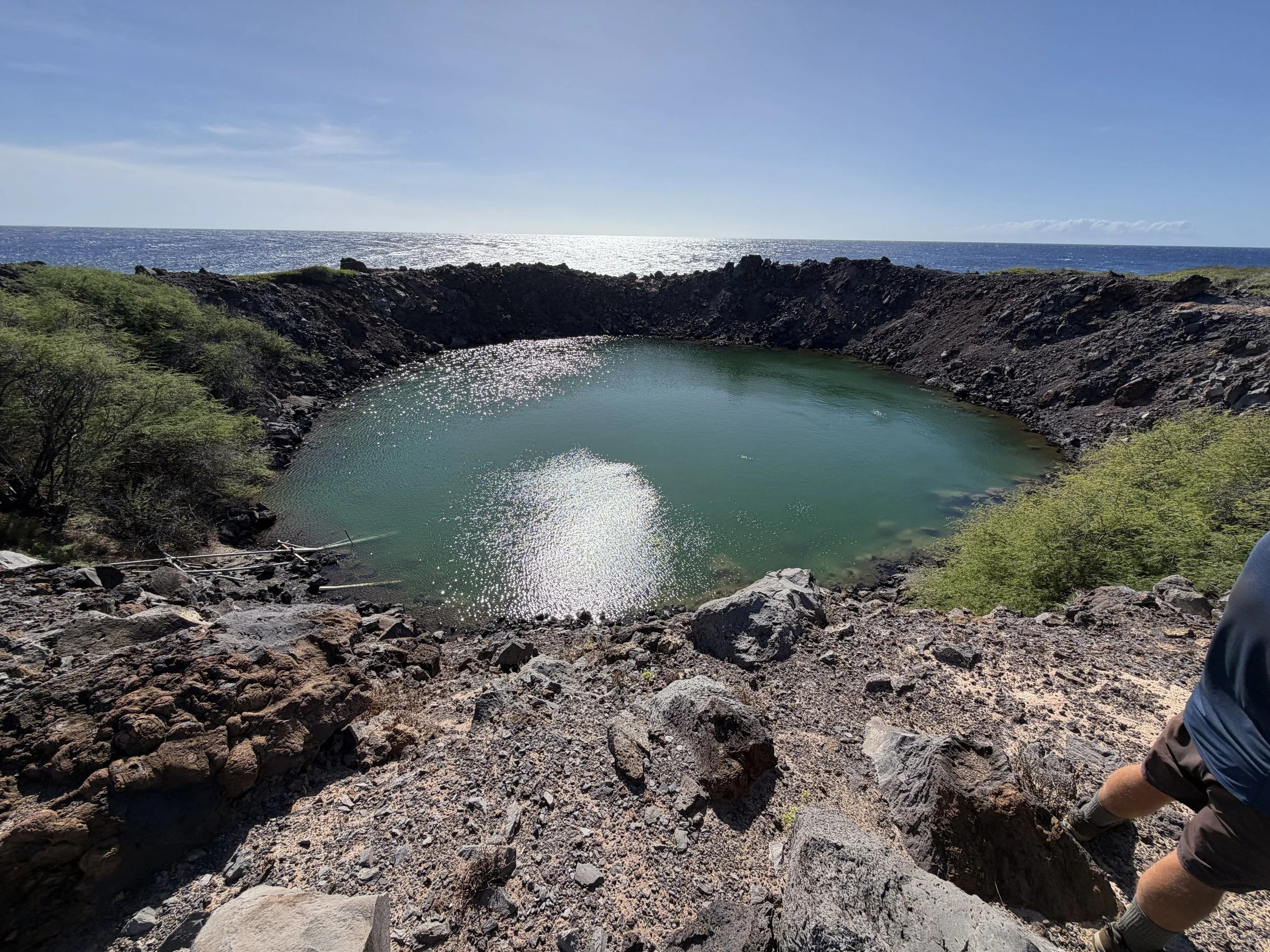
Sailor’s Hat on Kaho’olawe created during bombing practice
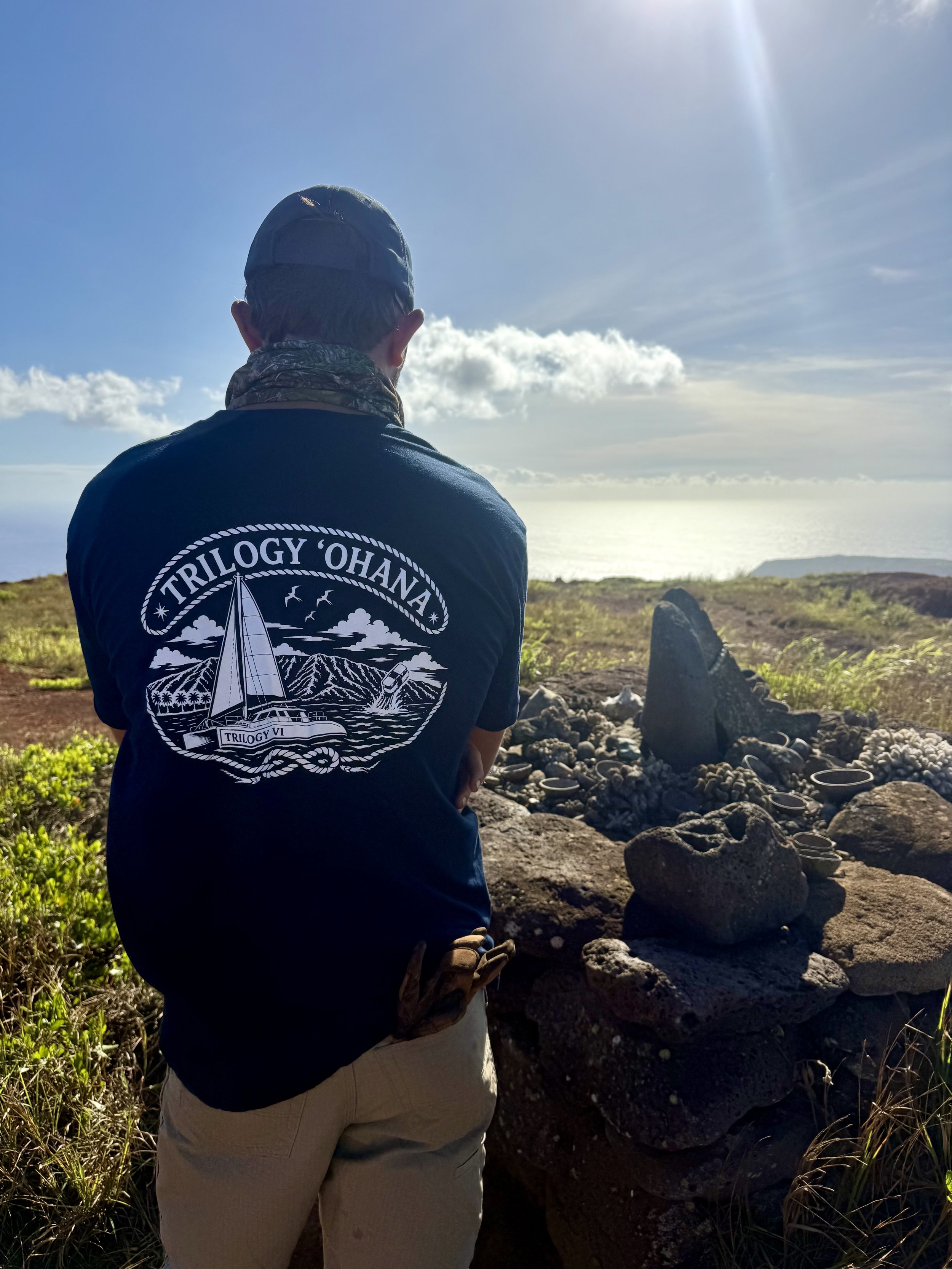
Another group from the Protect Kahoʻolawe ʻOhana was there working on the creation of a new heiau—a Hawaiian place of worship—and we had the opportunity to sit down with them and talk story.
They shared some fascinating insight into just how important Kahoʻolawe is to Native Hawaiians. It is the only island named after one of the four major Hawaiian gods, Kanaloa, the god of the ocean and the life within it.
Kanaloa takes many forms, from the ocean itself to the creatures that inhabit it. When viewed from the side, the shape of Kahoʻolawe is said to resemble part of an octopus's leg, and some believe the island itself is a physical manifestation of Kanaloa.
With that understanding, you can only imagine the hardship and pain inflicted on the Hawaiian community when the island was used as a military bombing range for so many decades.
Having the opportunity to listen and learn from those who hold this connection to Kahoʻolawe helped us better understand why protecting and caring for this island means so much.
A Place Where Hawaiian Culture Continues
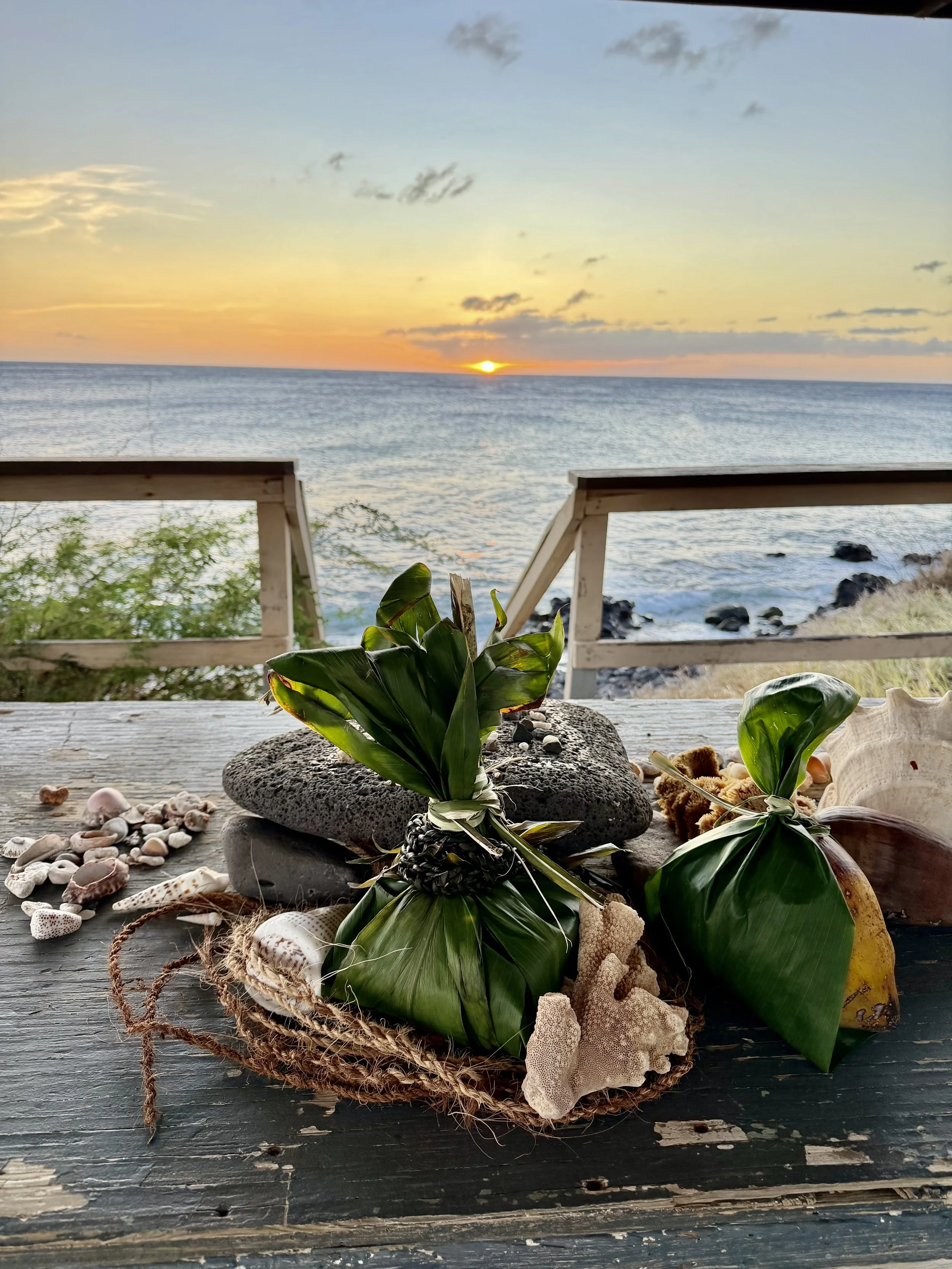
lau lau - traditional hawaiian food
The movement to stop the bombing of Kahoʻolawe was also, in many ways, a catalyst for the Hawaiian cultural renaissance—a renewed movement to revitalize Hawaiian language, traditions, and cultural practices.
Today, the island continues to serve as an incredibly important place where cultural practitioners from across Hawaiʻi come together to reconnect with their cultural roots, perpetuate traditional practices, and strengthen their connection to the ʻāina—the land.
During our visit, we had the opportunity to learn about some of that continuing work through the group building the new heiau. Hearing about what they were doing, and the care with which they approached it, was inspiring.
To be welcomed here, lend a hand, and learn from people carrying these traditions forward was an honor.
Sharing Our Oli While Looking Back Toward Maui
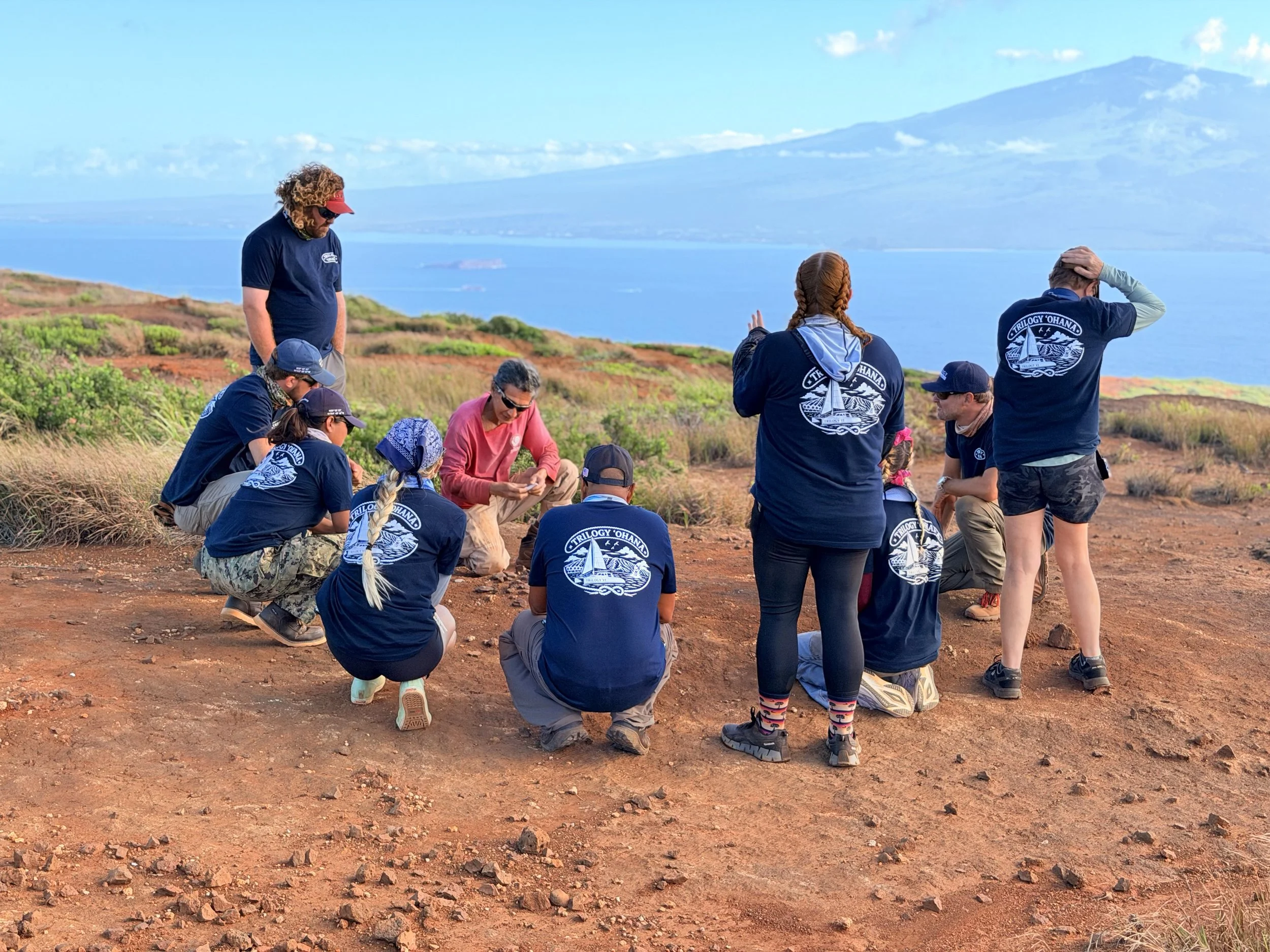
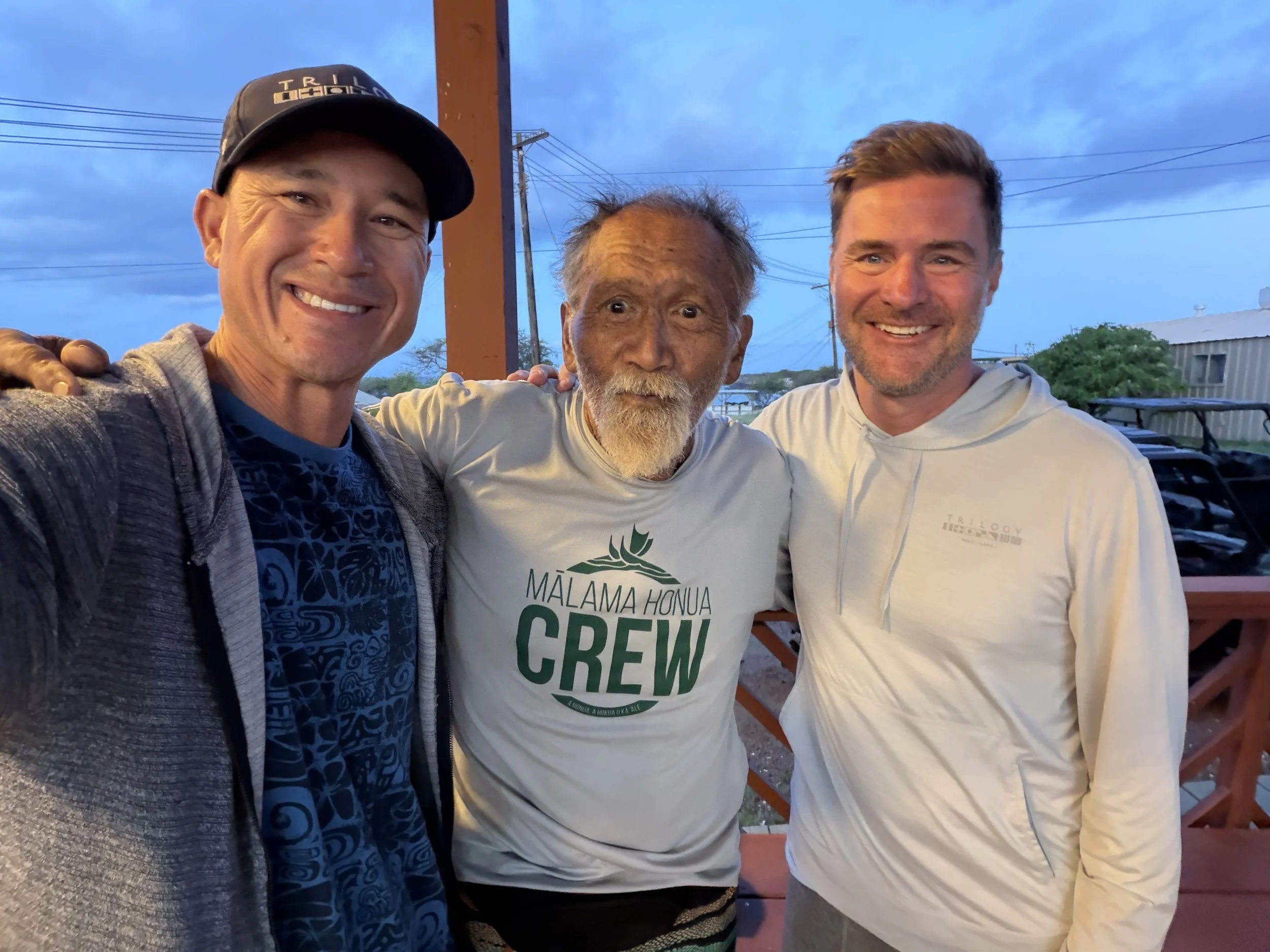
Uncle Paul telling stories- Look there's Maui!
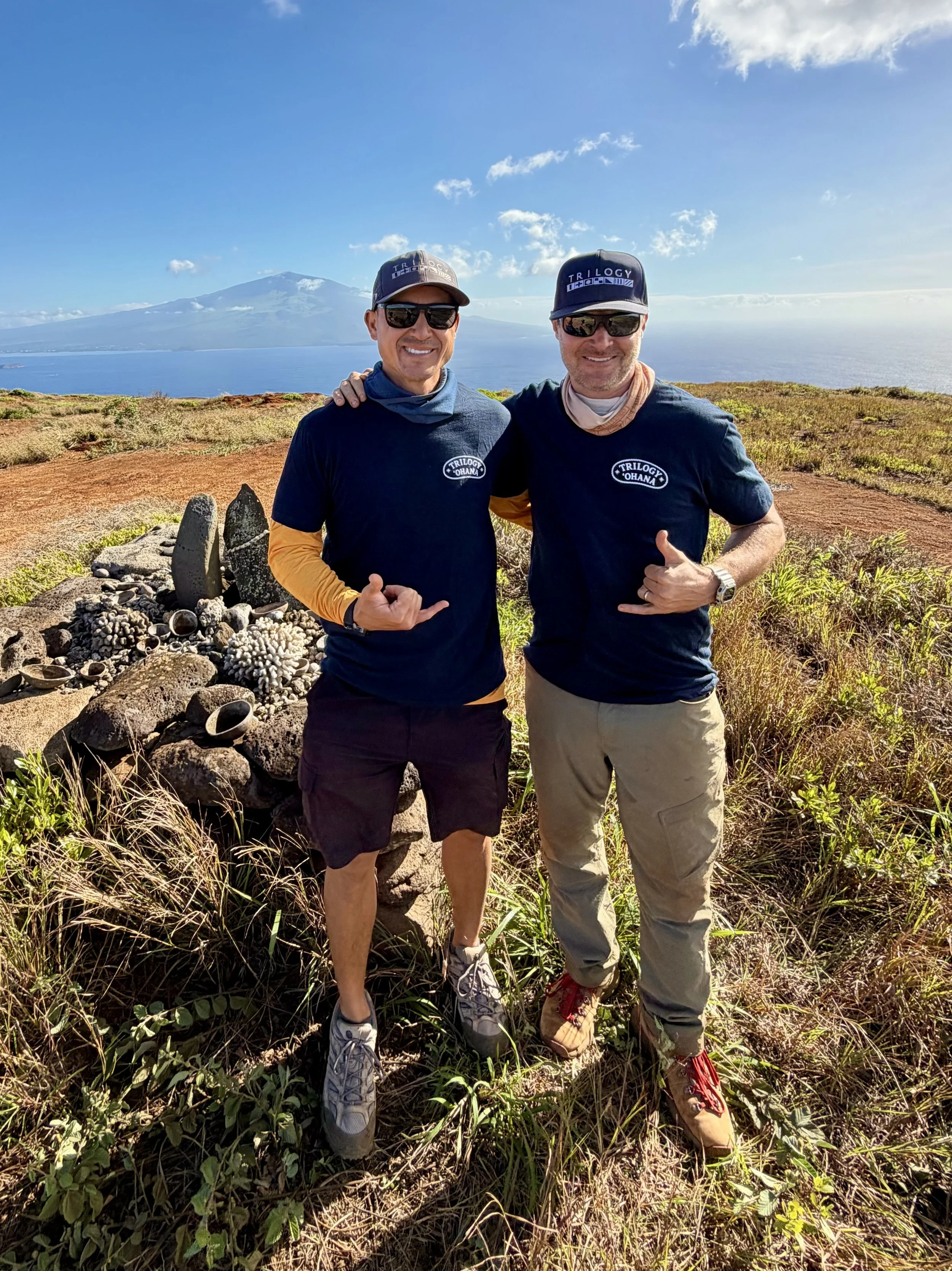
One of the highlights of the trip was gathering at the Rain Koa, near the summit of the island, and chanting our company oli—a Hawaiian chant—He ʻOli Nō Hui ʻOhana Kaukolu, composed by Kumu Kealiʻi Reichel. Kumu is a Hawaiian term for a teacher.
Looking back toward Maui and sharing our oli together was a pretty special moment for all of us.
Overall, this huakaʻi—an educational journey—was inspiring and encouraging. As Capt. Riley shared, “The lōkahi and aloha we shared with one another and with the island is something I will remember for a long time.”
Lōkahi speaks to unity and harmony, while aloha encompasses love, compassion, and affection. Both were felt throughout our time on Kahoʻolawe, from working alongside one another to gathering for moments like this.
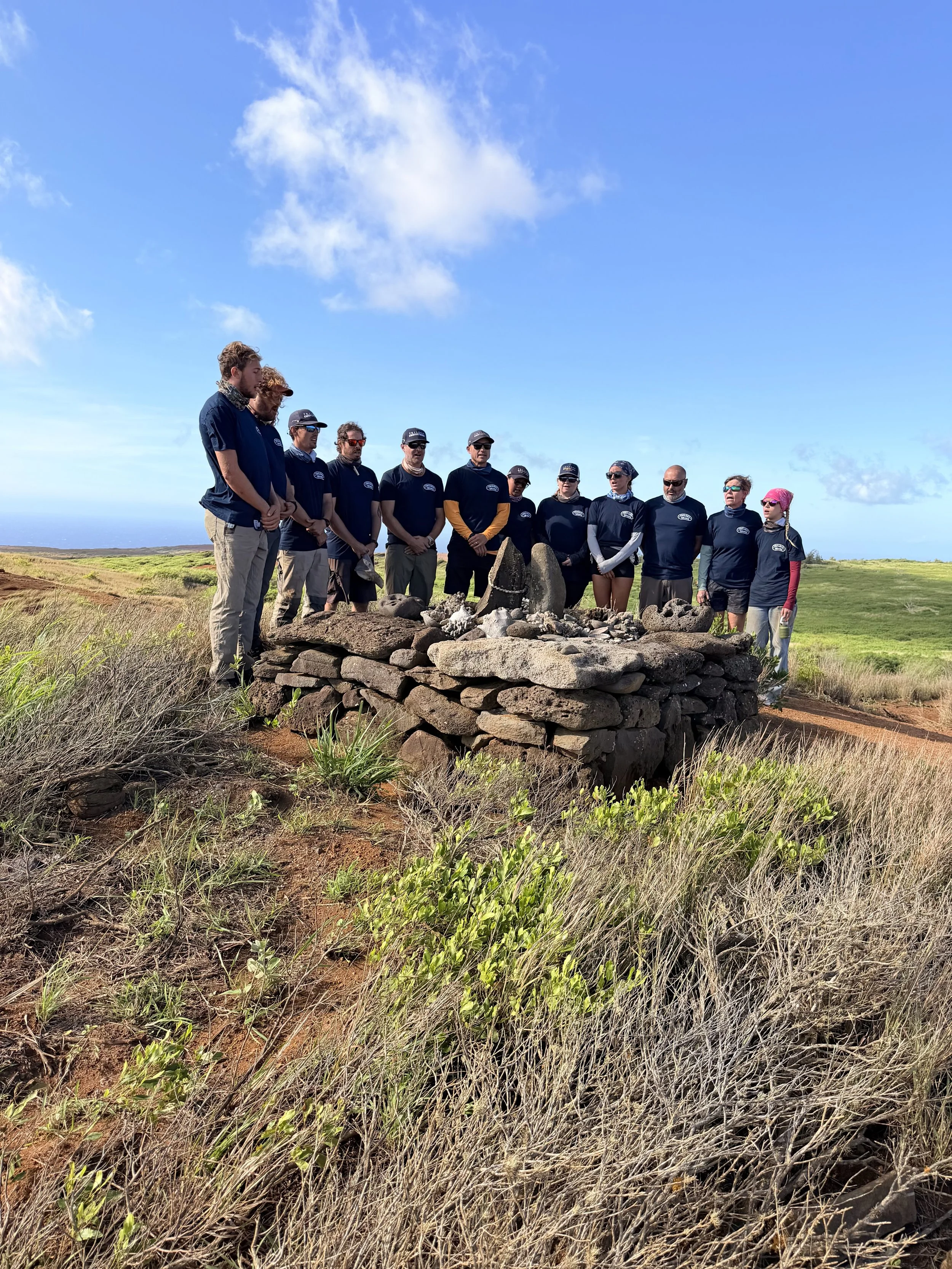
Chanting at the Rain Koa
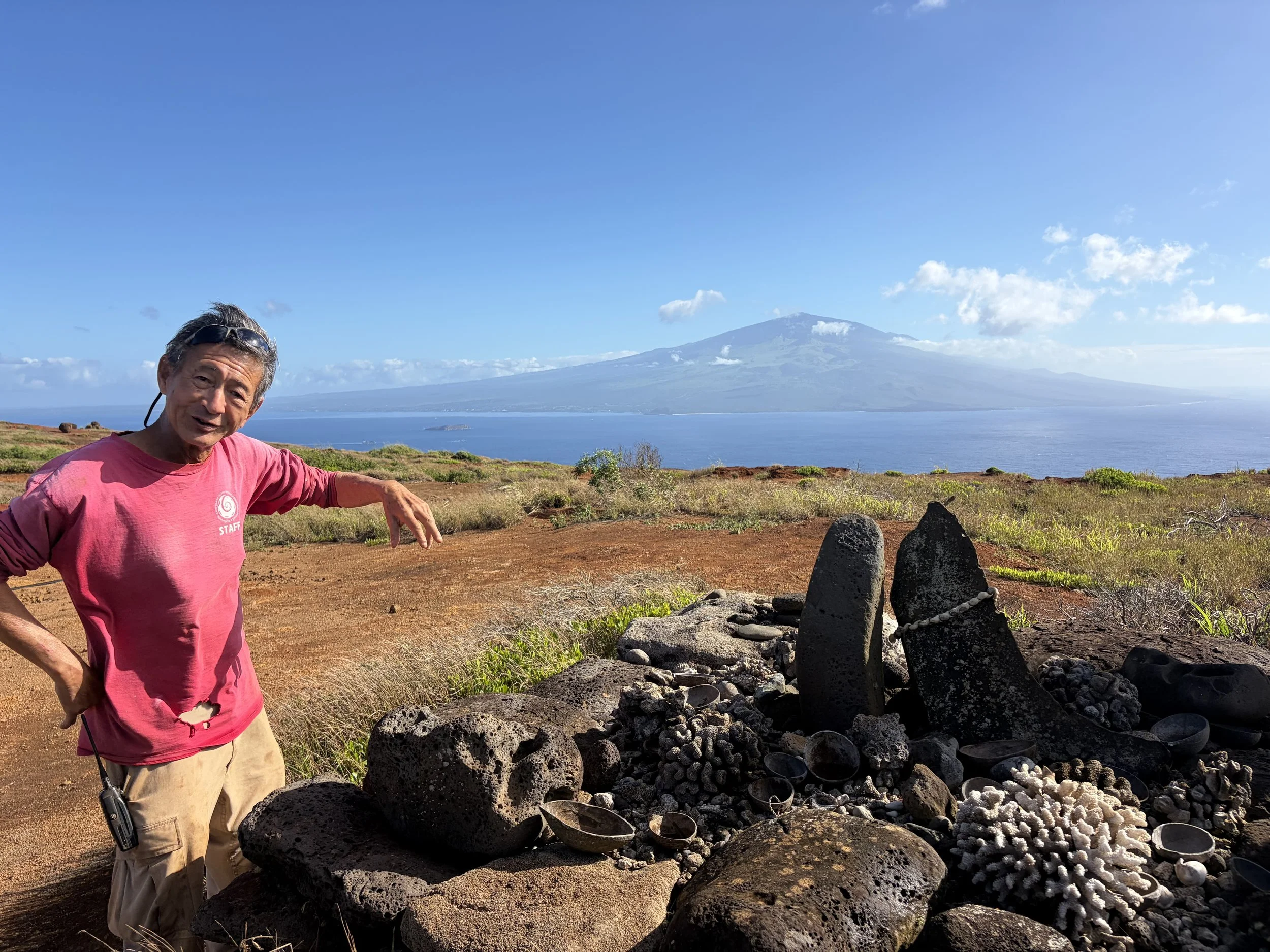
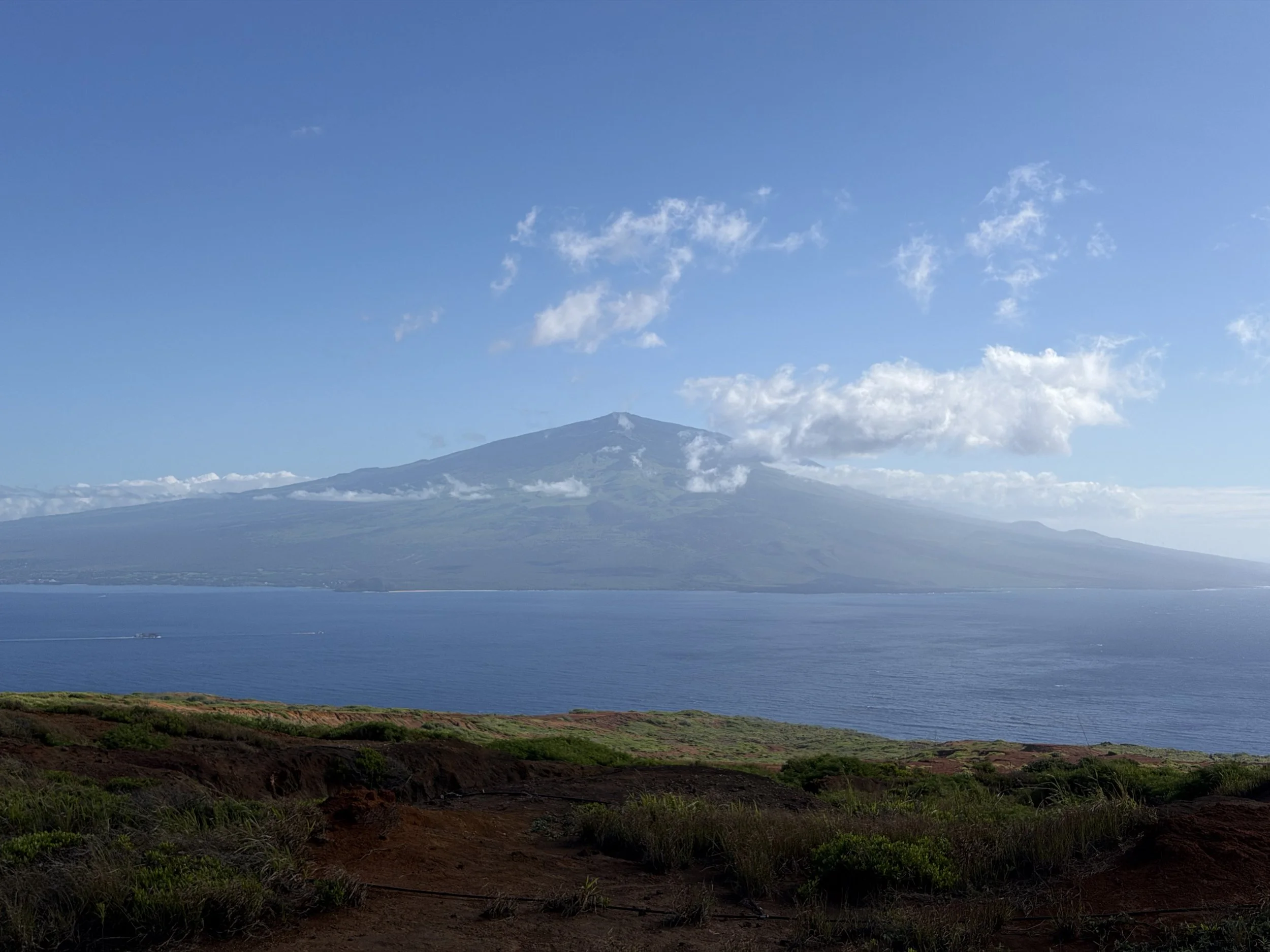
View of Haleakala, Maui from Kaho’olawe
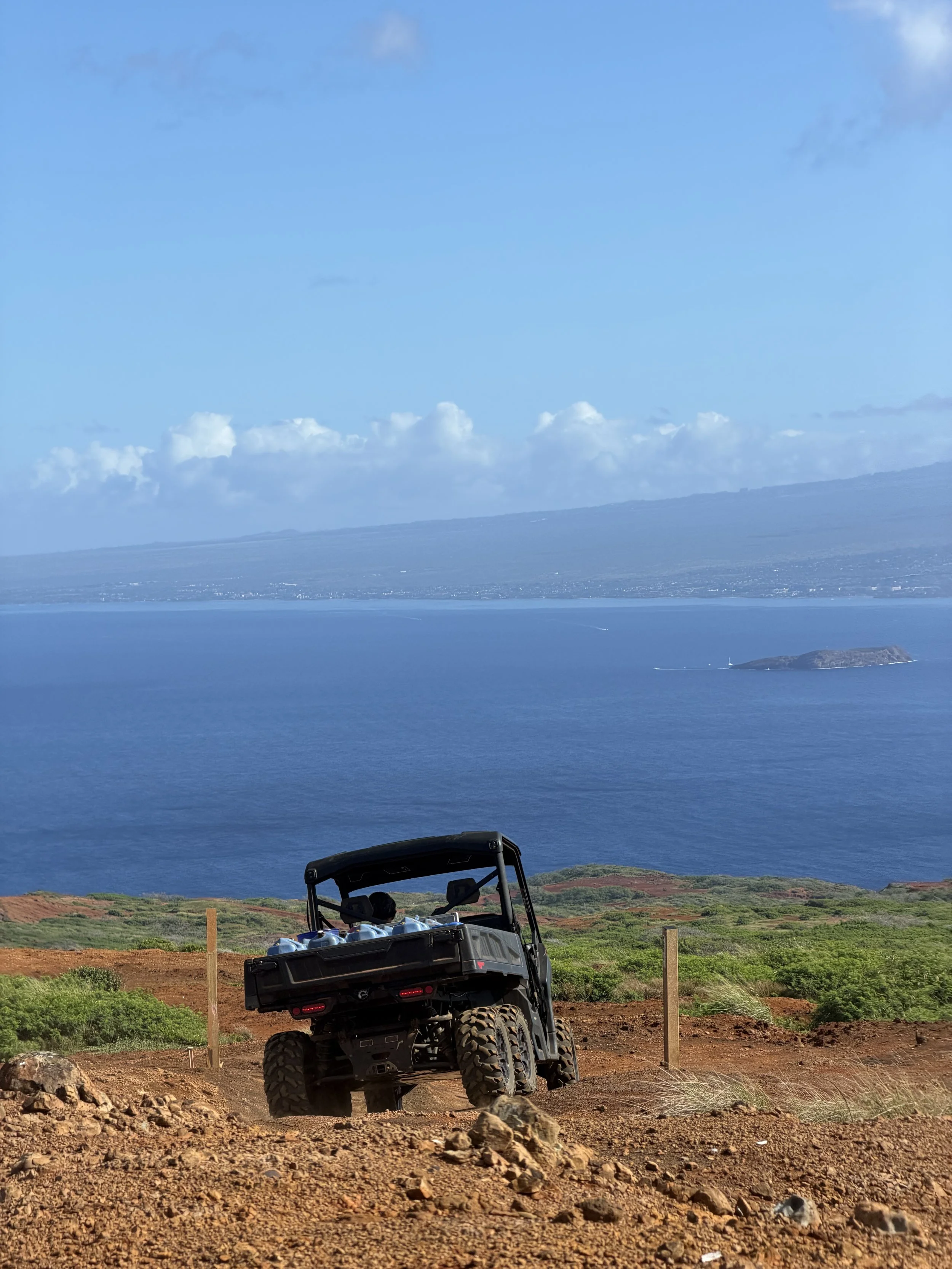
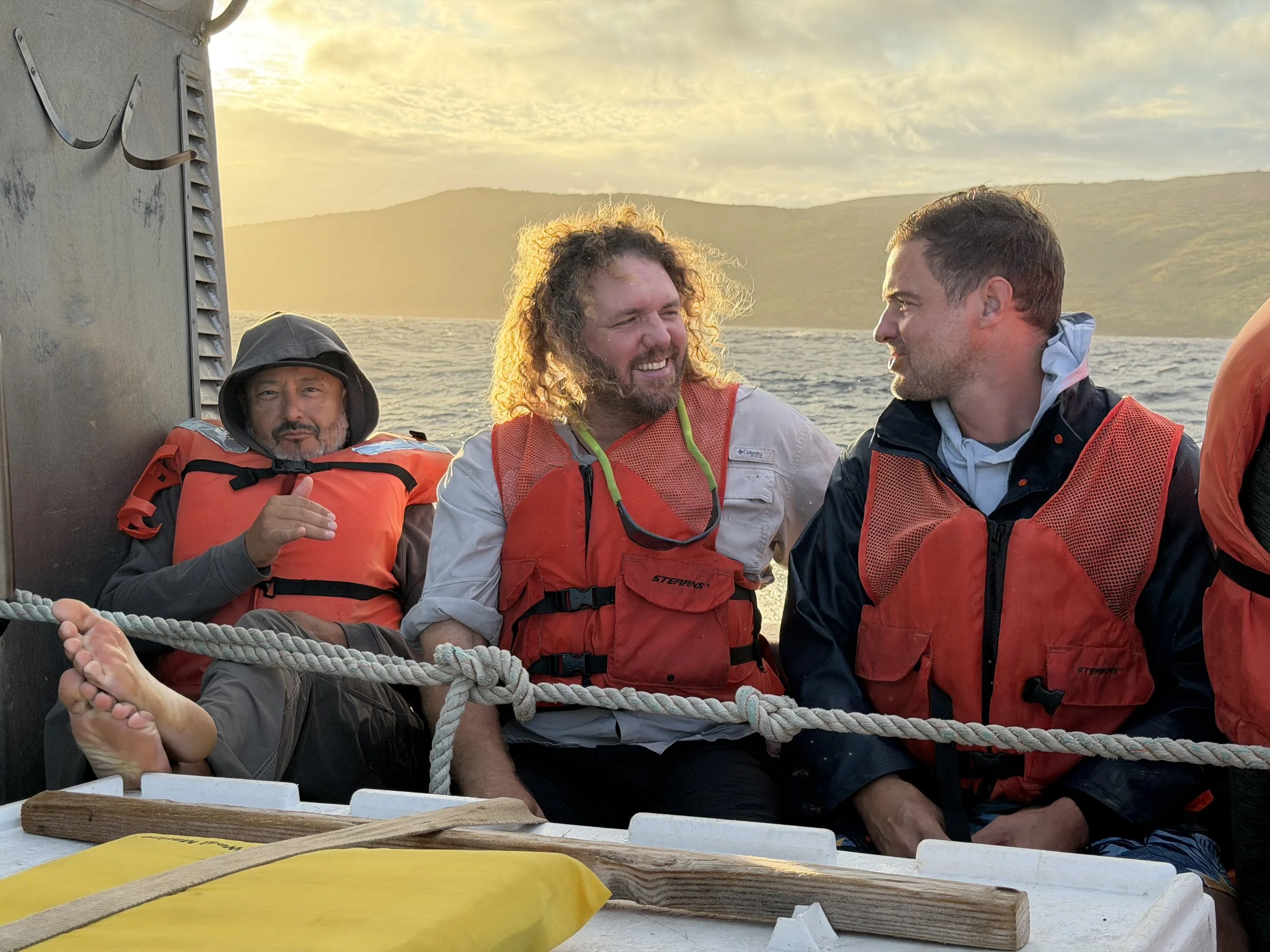
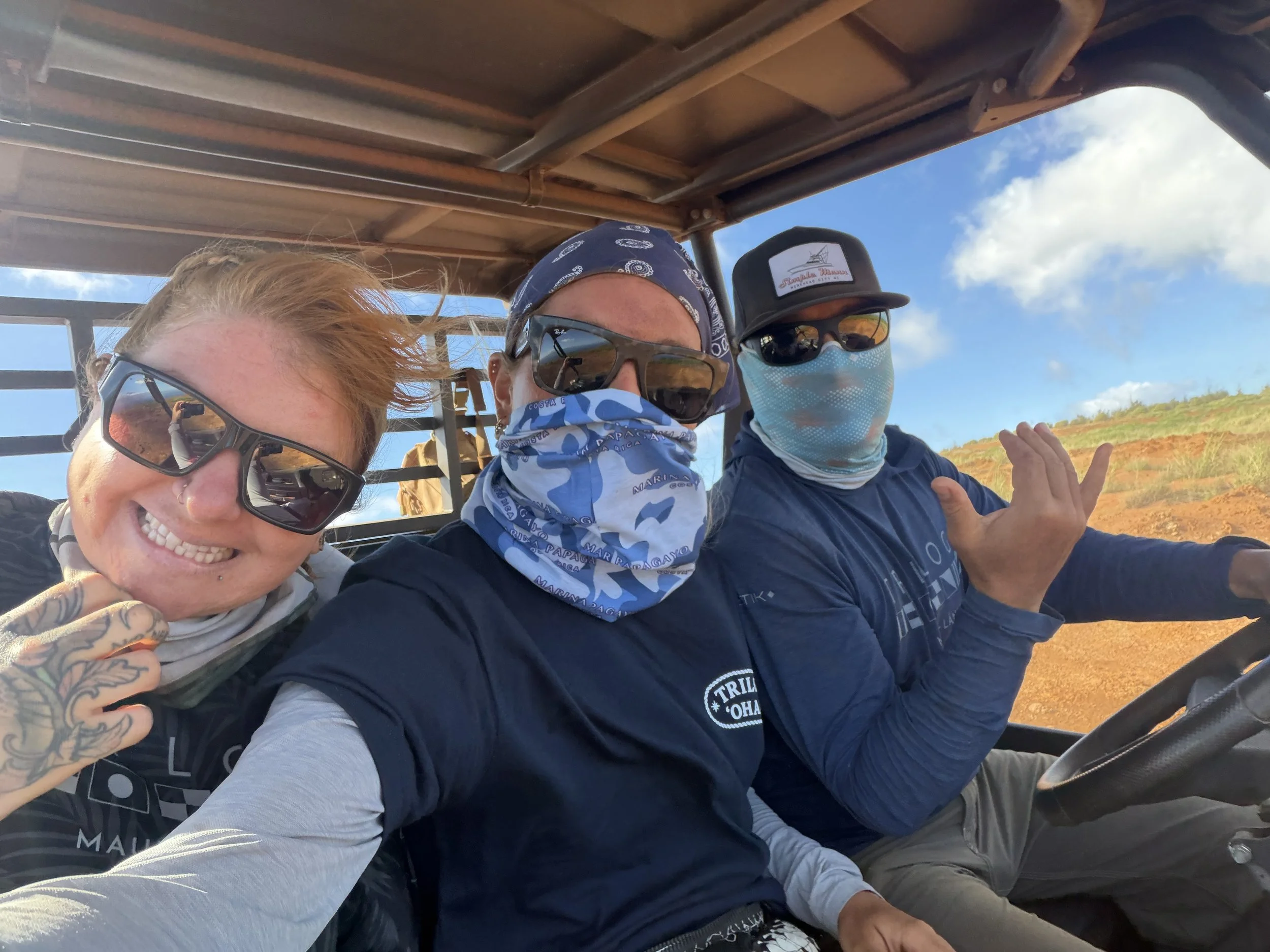
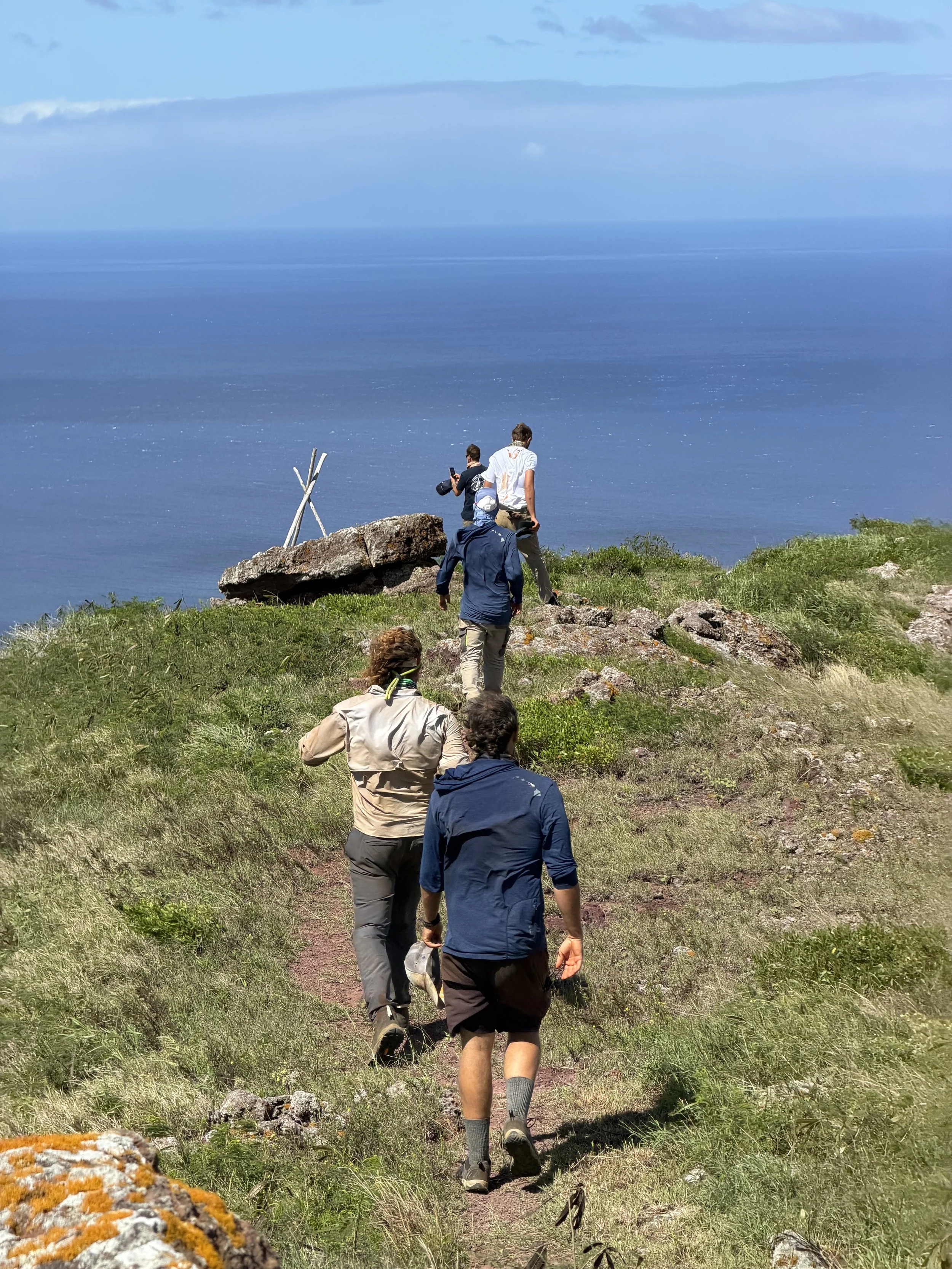
Traveling to Planting Site
Continuing These Connections in December
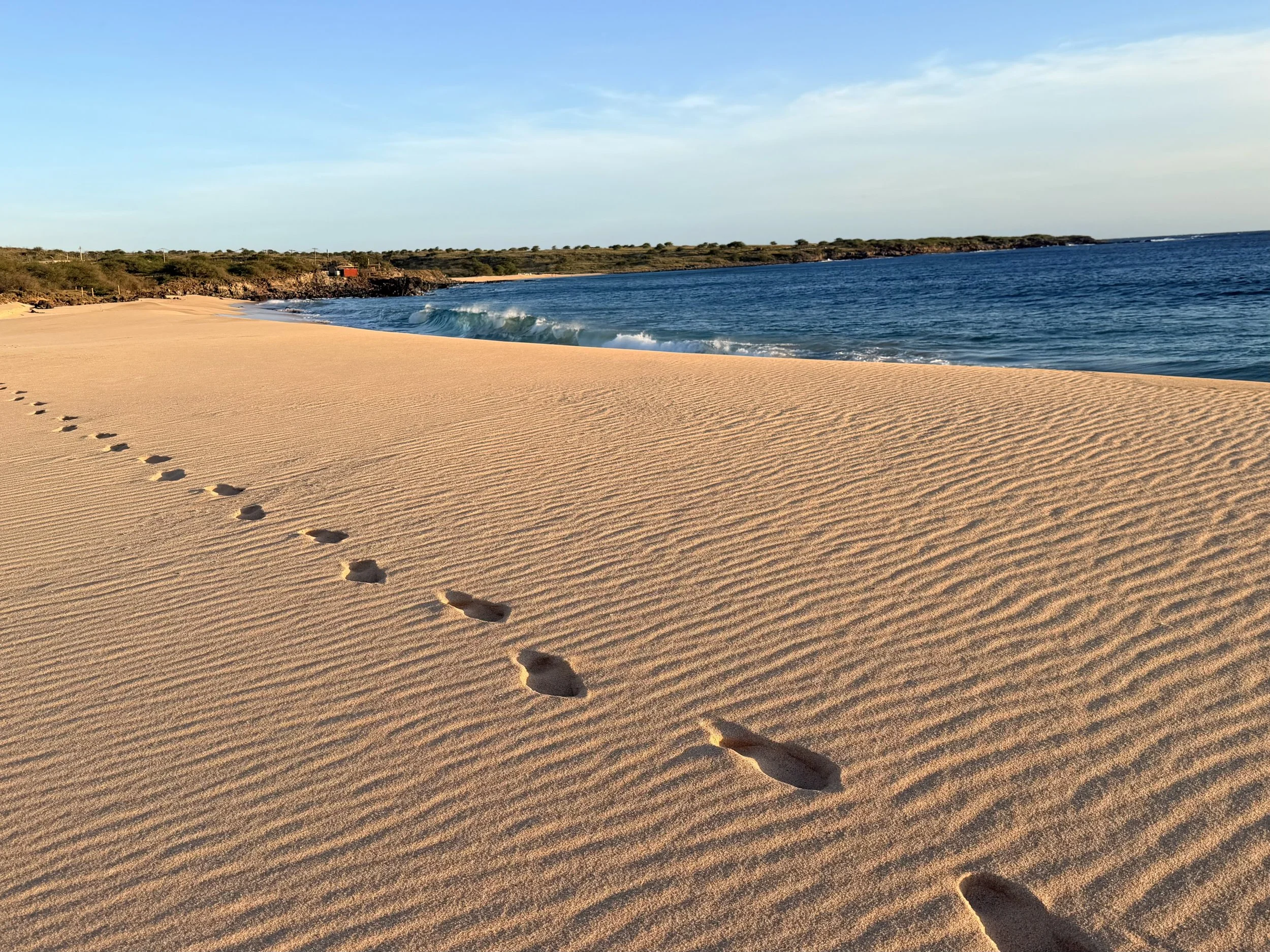
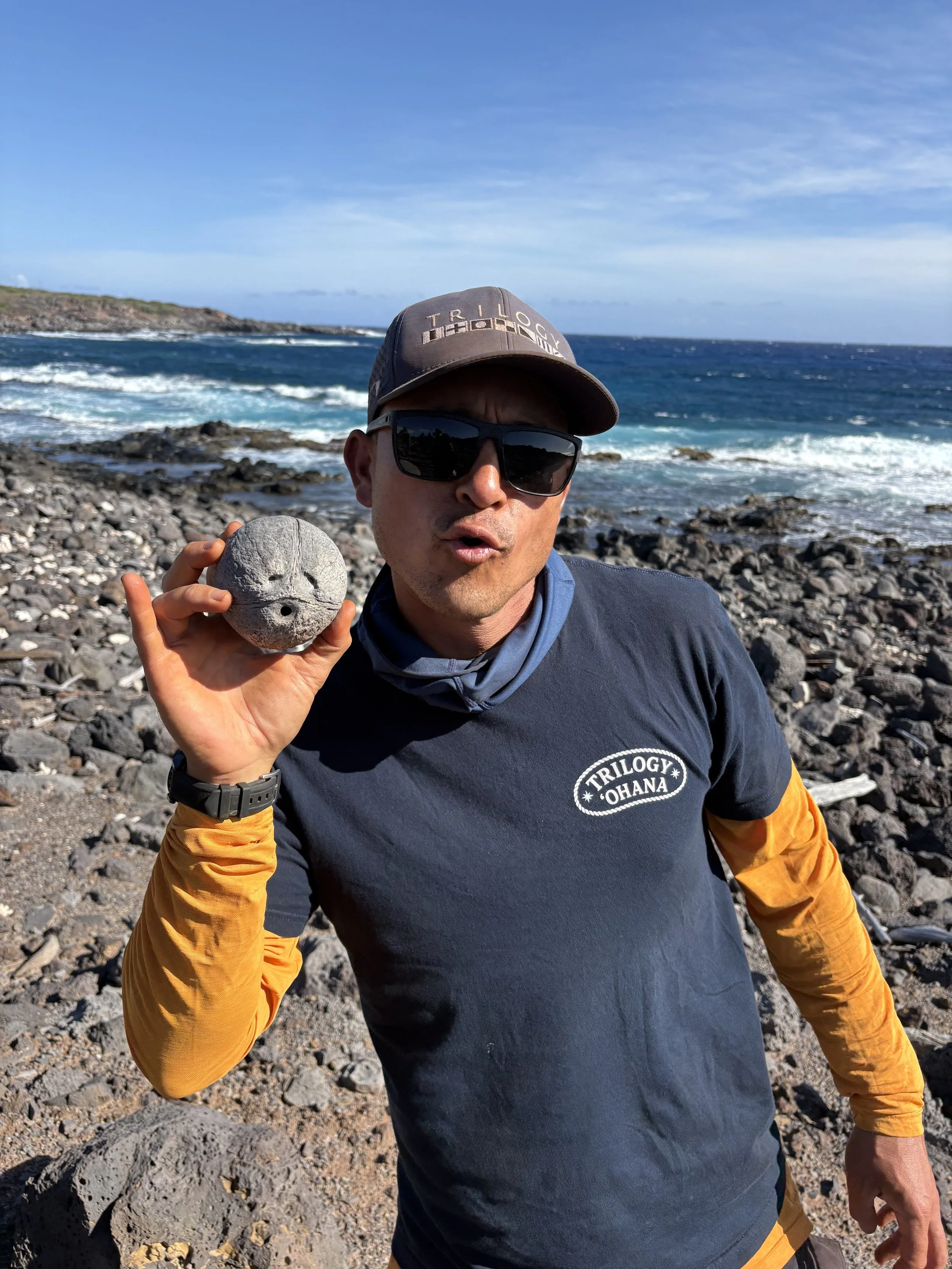
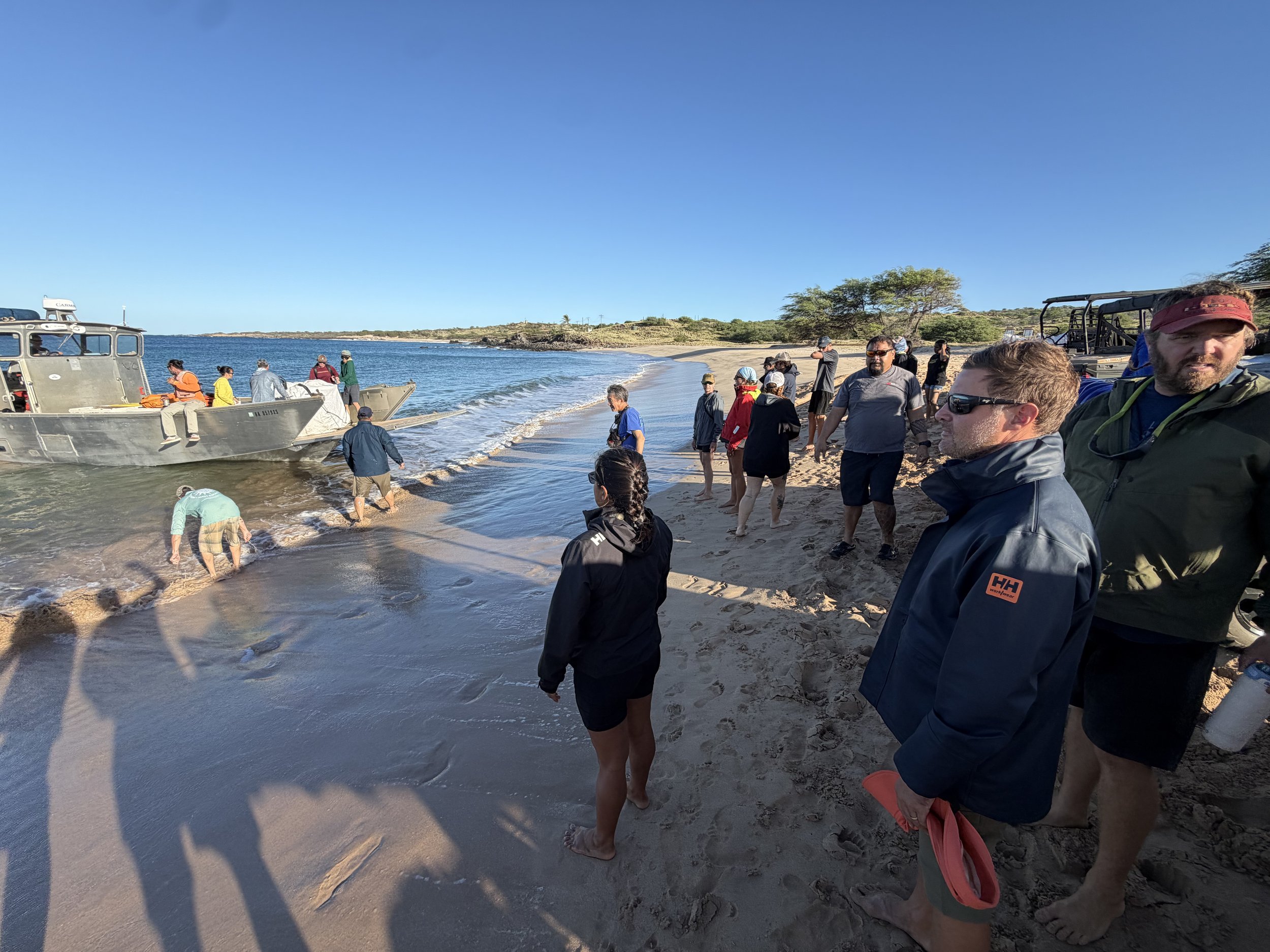
Beach on Kaho’olawe
Trilogy is also beginning to build some meaningful relationships with the individuals and groups who continue to practice and perpetuate Hawaiian culture on Kahoʻolawe.
In December, we will have the opportunity to transport approximately 50 cultural practitioners from across the state who will be coming together to complete the new heiau—a Hawaiian place of worship. Its official name has yet to be determined.
They will work through the night, following dietary restrictions and customary practices, to complete this massive rock and stone structure. The final stone is planned to be laid at sunrise on the winter solstice.
It’s pretty special to think that Trilogy will have a small part in supporting something of such cultural significance. We’re grateful for the opportunity to help bring these practitioners together and continue the connections that began during our time on the island.
Grateful for the Opportunity to Mālama Kahoʻolawe
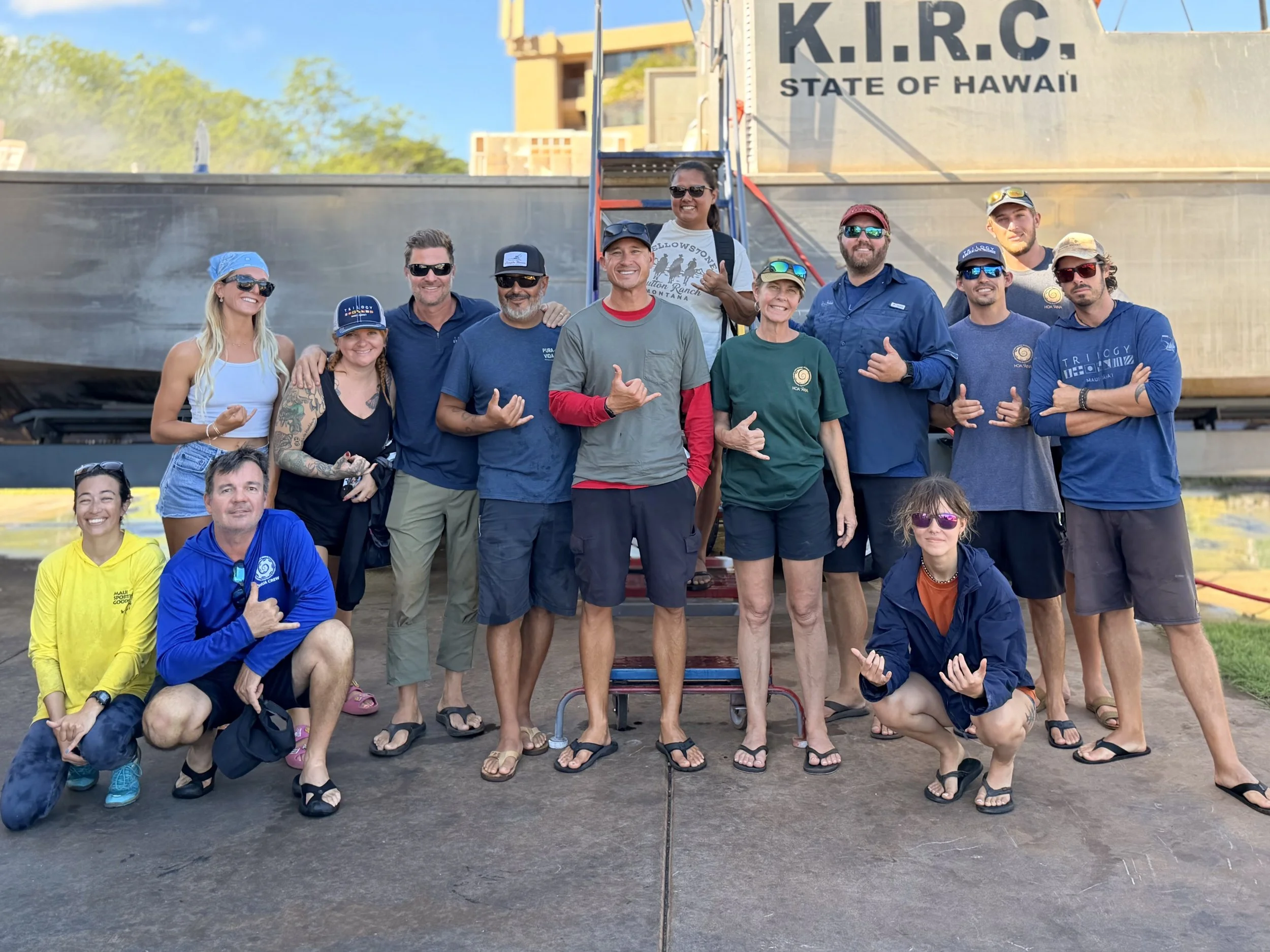
Experiences like this are a reminder that what we do as a company extends well beyond taking people out on the water. It’s about our connection to these islands, our community, and the culture that makes Hawaiʻi so special. As hosts, we have the opportunity to share what we learn with others while continuing to deepen our own understanding of the place we call home.
Mahalo nui—many thanks—to the Kahoʻolawe Island Reserve Commission, the members of the Protect Kahoʻolawe ʻOhana who shared their time and knowledge, and everyone who made this huakaʻi possible.
And to our staff who gave their time and energy to help mālama—to care for and protect—this special island, mahalo.
We’re grateful for the opportunity to have been a small part of this work, and we look forward to continuing these connections.
To learn more about Kahoʻolawe and its ongoing restoration, visit the Kahoʻolawe Island Reserve Commission.