Whale Watching 101: Why Every Whale Encounter is Different
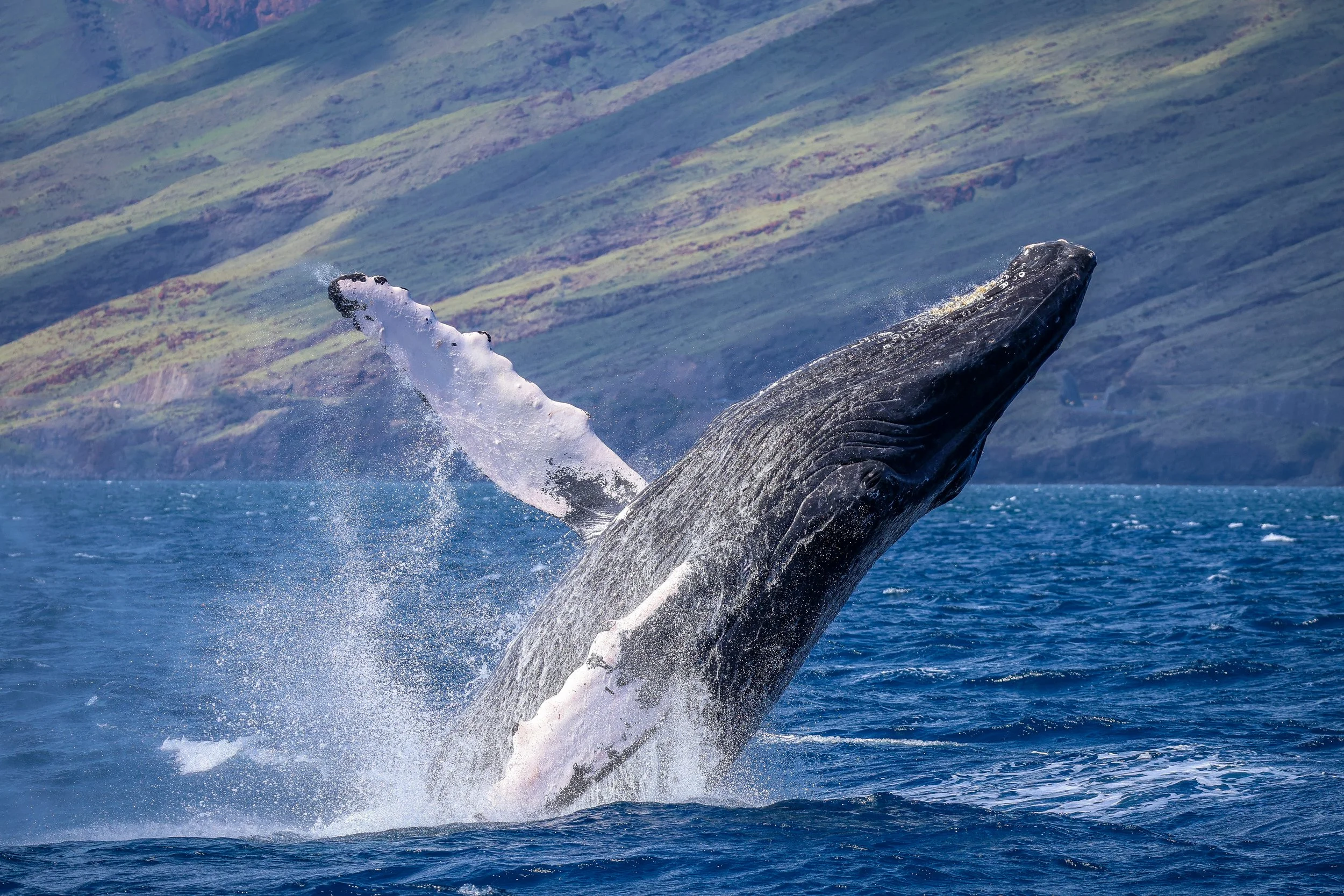
Why Every Whale Encounter Is Different
One of the most common questions we hear before a whale watch is also one of the hardest to answer:
“What will we see?”
The honest answer is simple — and sometimes surprising: no two whale encounters are ever the same. Even during peak whale season, even in the heart of the ʻAuʻau Channel, every day on the water tells a different story.
That unpredictability isn’t a flaw in whale watching. It’s the very thing that makes it real.
🌊🫧🐋
🌊🫧🐋
Whales Are Wild — Not Scheduled
Humpback whales aren’t following a script. They’re living their lives.
On any given day, whales may be:
Resting after a long migration
Nursing calves
Traveling through the channel
Socializing with other whales
Singing beneath the surface
What they choose to do — and where — depends on many factors beyond human control. That’s what separates wildlife encounters from attractions. The experience is shaped by the whales, not by expectations.
Weather Shapes the Day
The ocean is always changing, and whales respond to it.
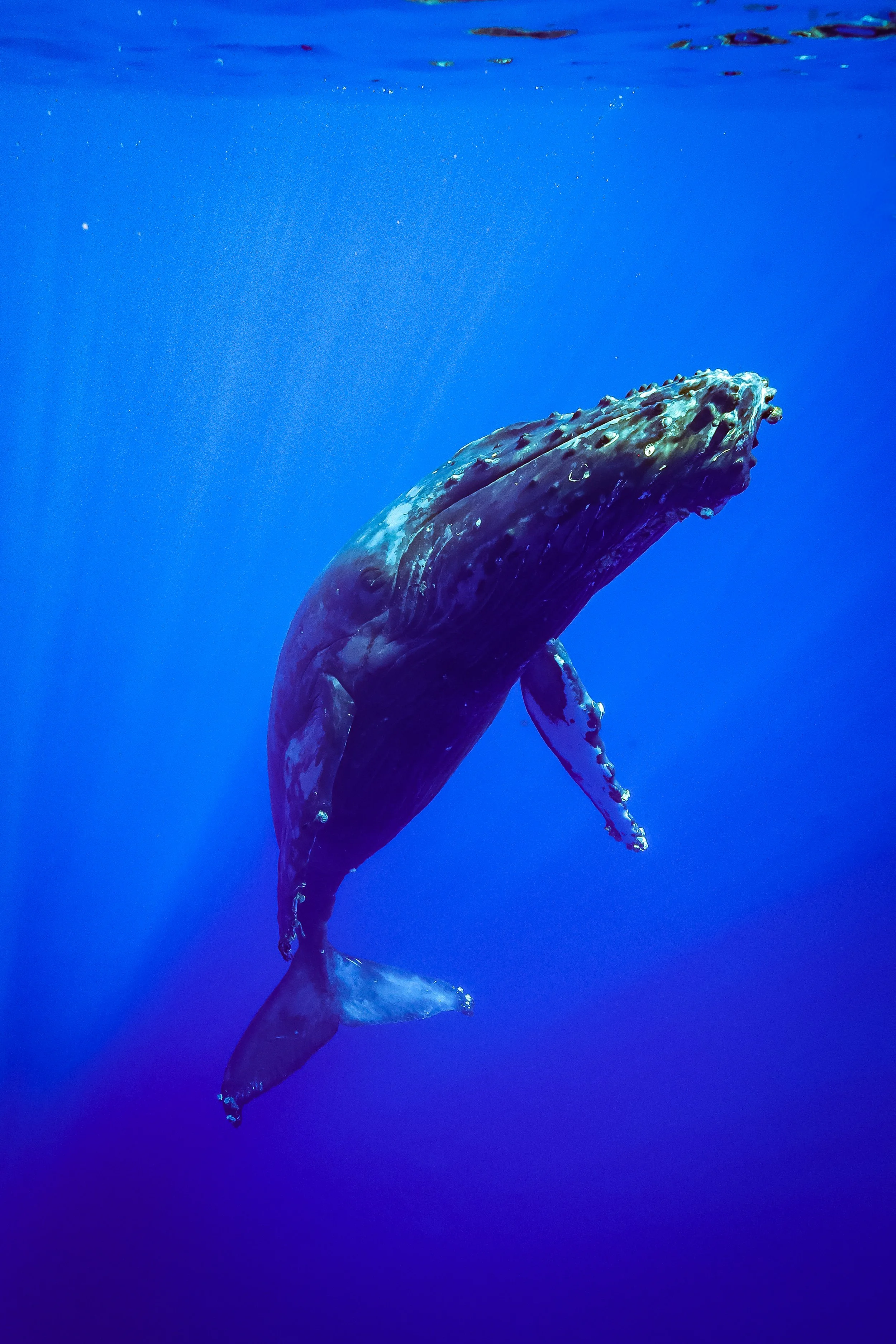
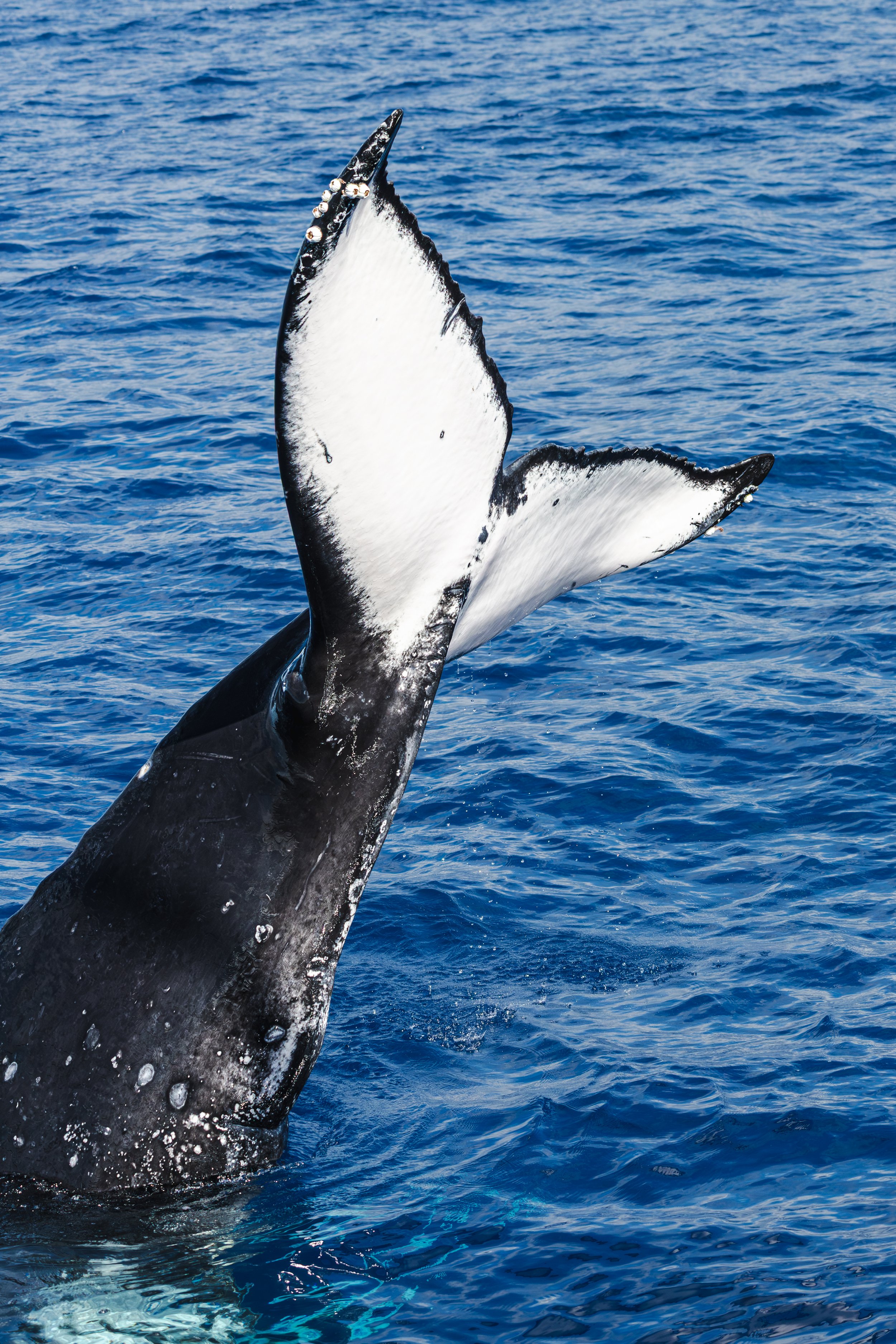
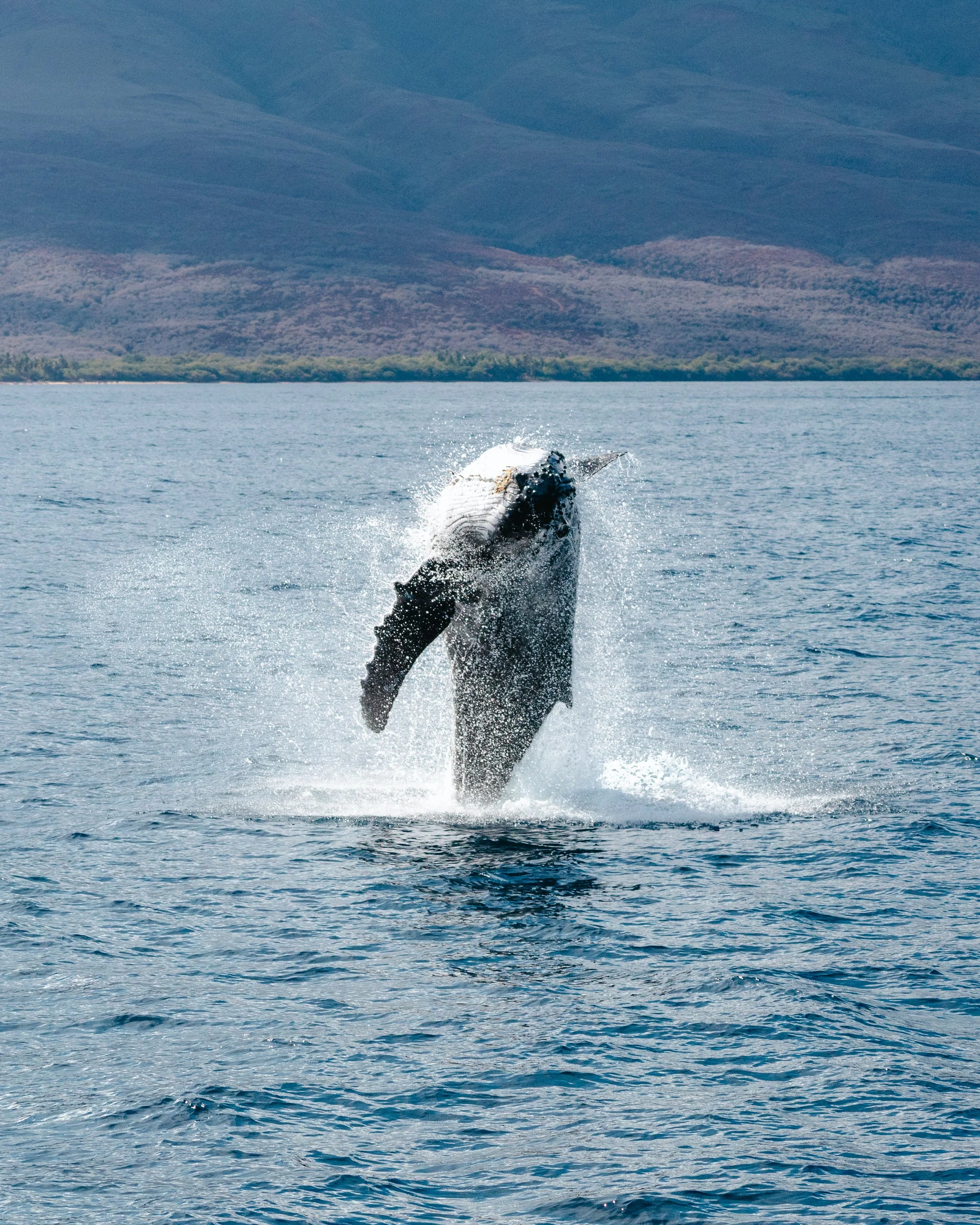
Wind, swell, cloud cover, and water clarity all influence how whales move and behave. On calmer days, you might notice subtle surface behaviors — slow rolls, gentle flukes, steady breathing. On days with more energy in the water, whales may travel more purposefully or surface more frequently.
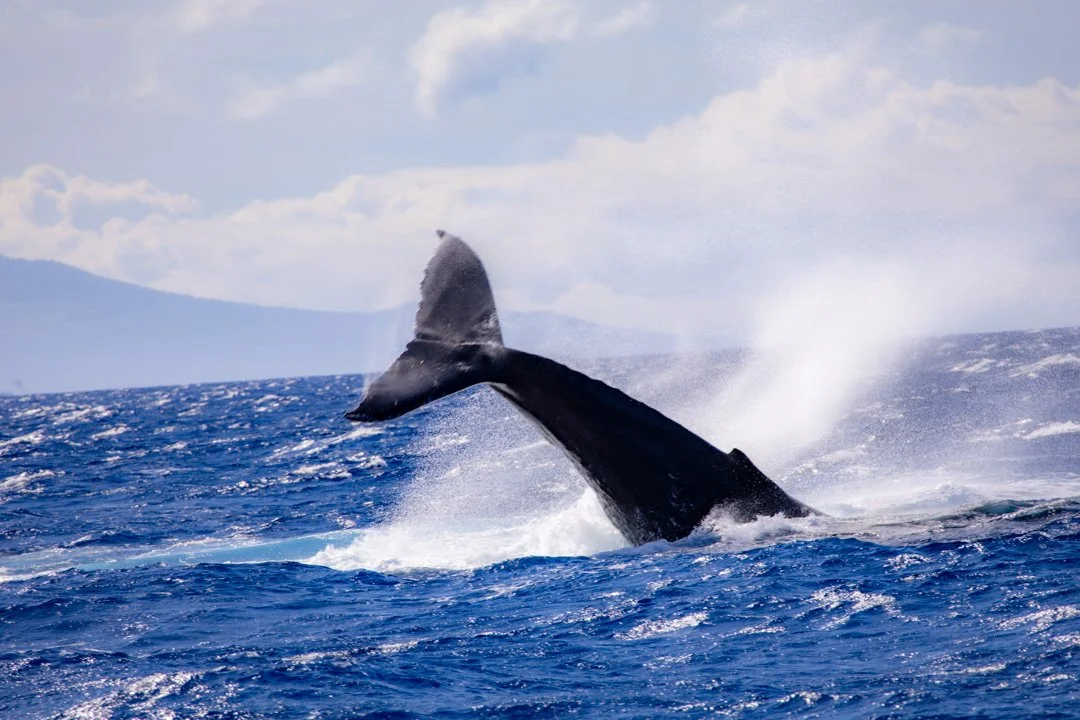
From the Captain’s perspective, reading these conditions is part of the craft. Understanding how the day’s weather affects both whale behavior and guest comfort helps shape how we move and where we go — without forcing an outcome. To read more about how the weather affects whale watching, click here.
Timing Within the Season Matters
Whale season itself has rhythms.
Early in the season, you may see more adults arriving after migration. As winter progresses, mother-and-calf pairs become more common. Toward the end of the season, whales begin preparing for the journey back North to Alaskan waters.
Each phase brings different kinds of encounters — none better than the other, just different. A quiet sail alongside a resting whale can be just as meaningful as a day filled with surface activity.
Distance Doesn’t Measure Meaning
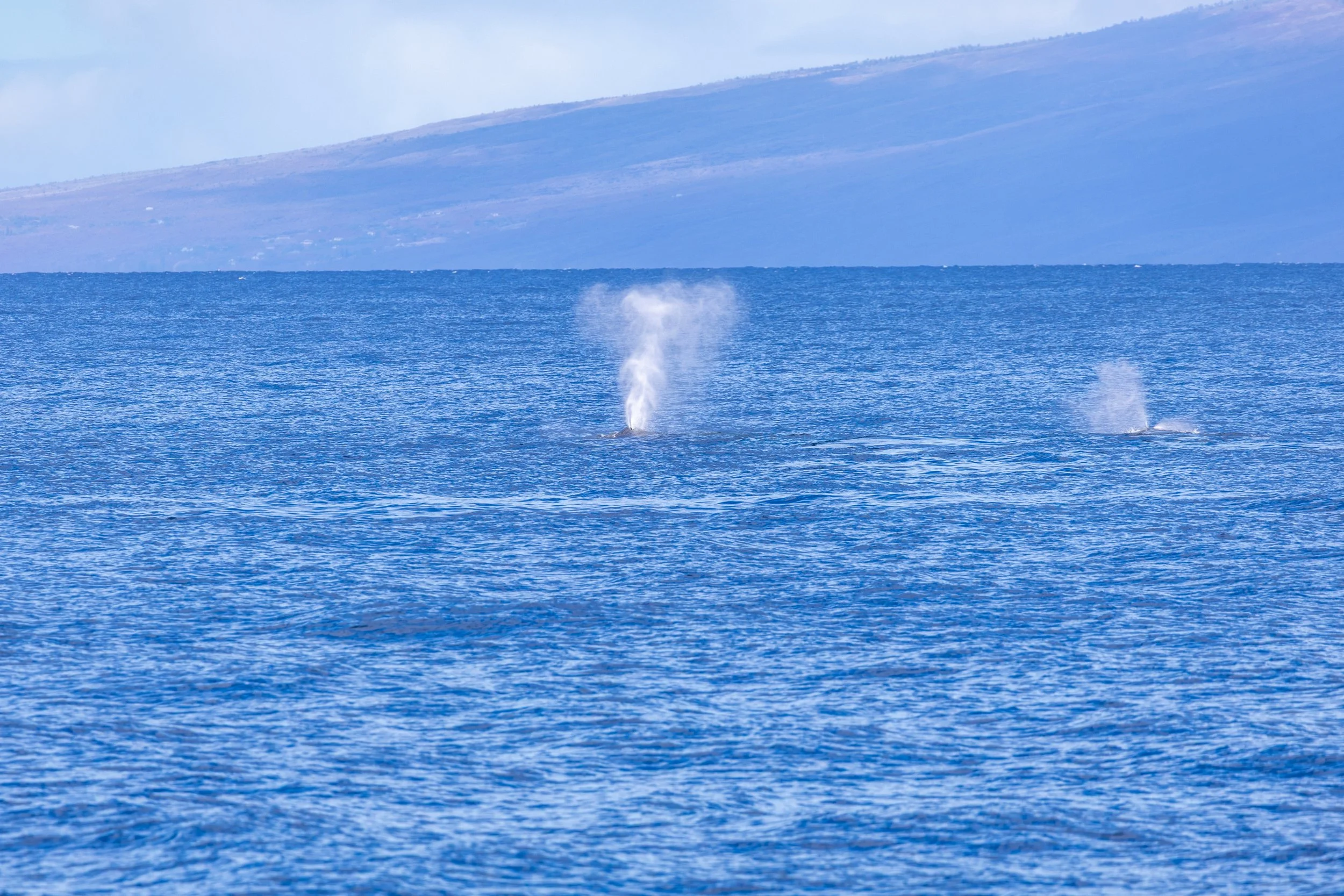
Some of the most powerful whale encounters don’t involve dramatic breaches or close passes.
A distant blow rising against the horizon.
A steady pair of breaths from a resting mom and calf.
A song heard through the hydrophone with no whales in sight.
These moments often linger longer in memory because they invite stillness and attention. Whale watching isn’t about proximity — it’s about presence.
At Trilogy, we don’t promise specific behaviors. What we promise is a respectful, thoughtful experience shaped by decades of time on the water — and a deep understanding that nature leads the way.
The Beauty of Not Knowing
There’s something rare in an experience that can’t be replicated or guaranteed.
Every whale watch is a one-time event — shaped by that day’s light, wind, water, and whales. Once it passes, it belongs only to the people who were there to witness it.
That’s why whale season still feels special, even after years on the water. The ocean never repeats itself — and neither do the whales who call it home each winter.