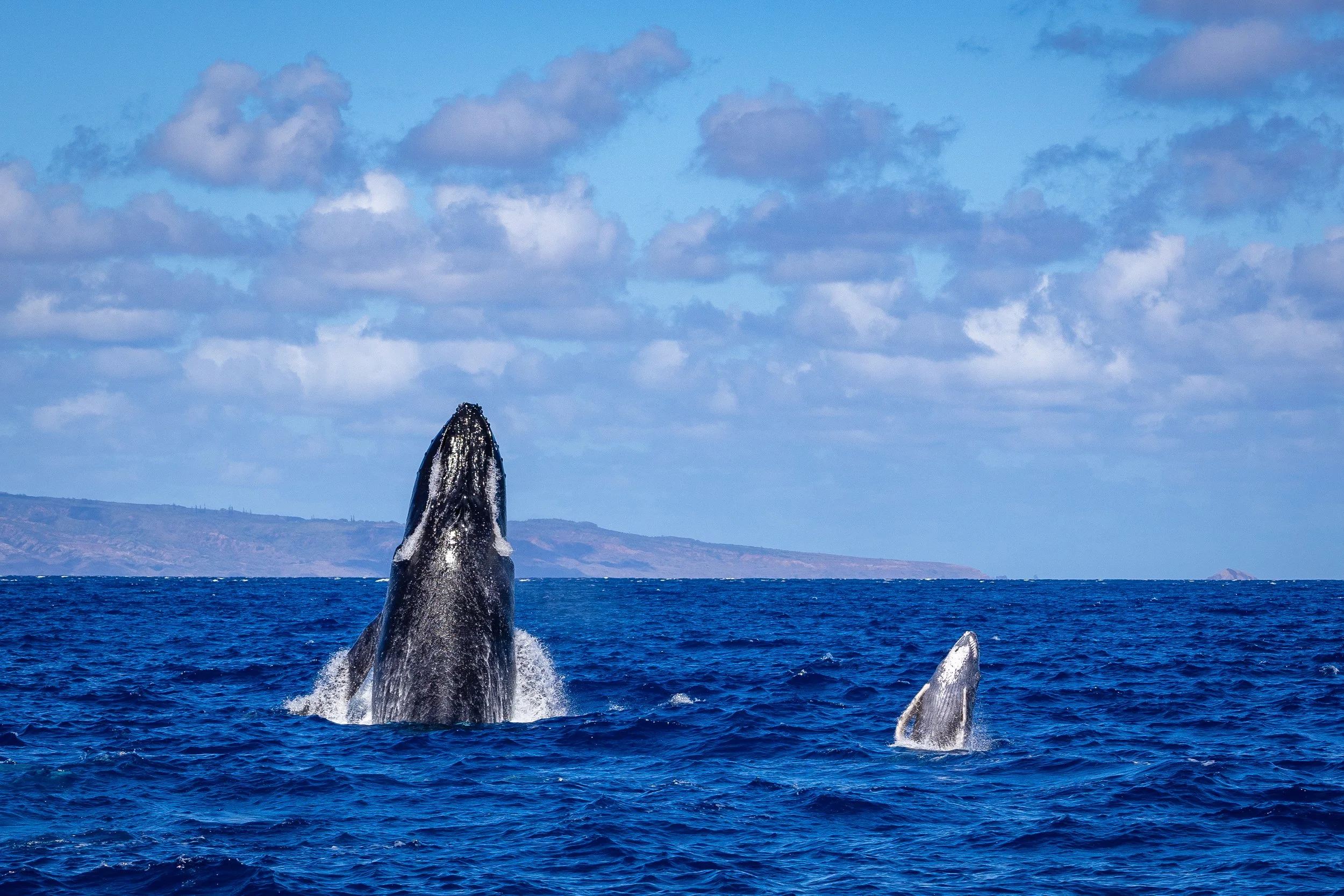
From Alaska to Maui: The Epic Journey of a Humpback Whale
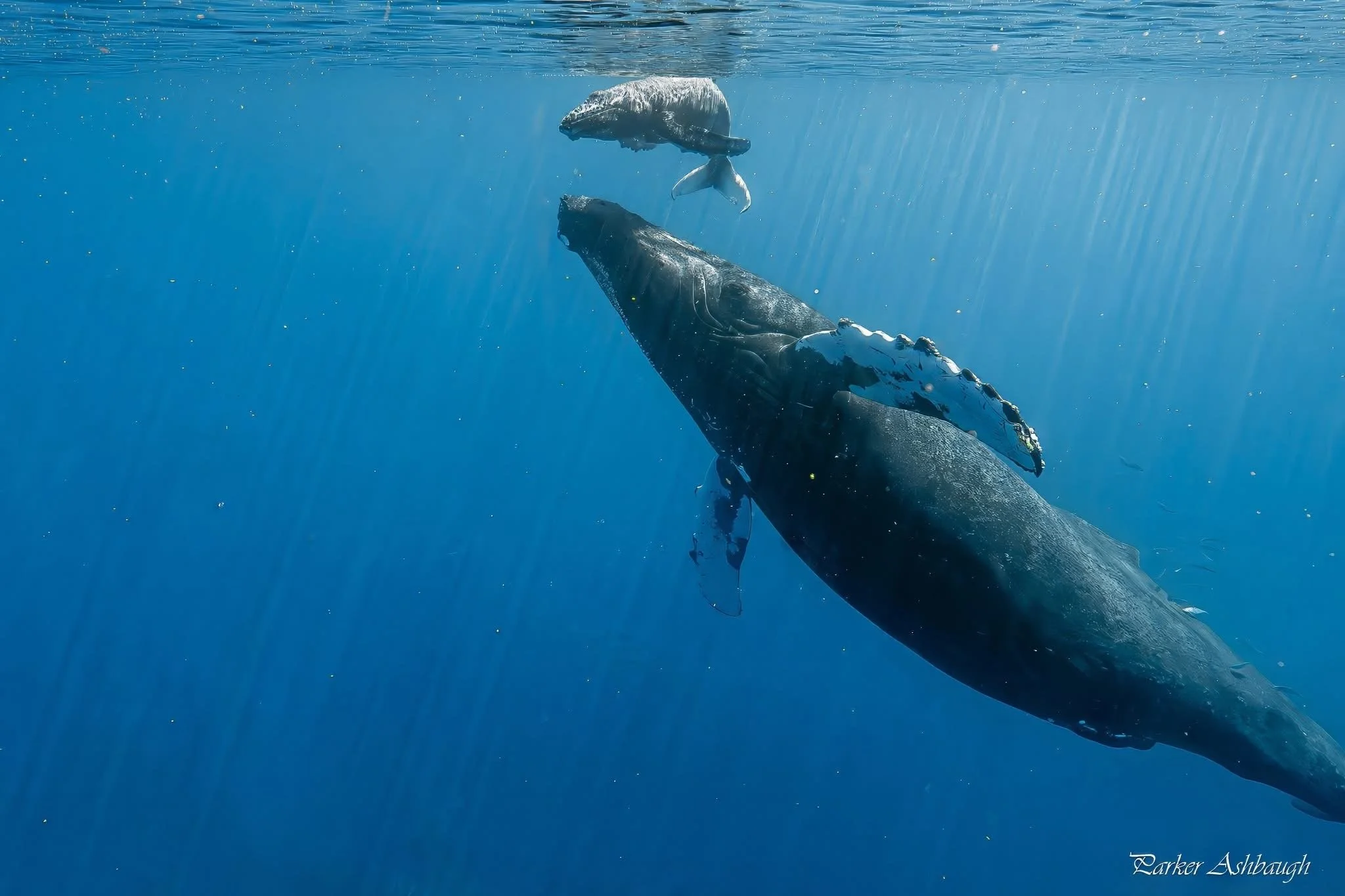
Photo Credit: Parker Ashbaugh
Every humpback whale you see in Maui has already completed an extraordinary journey.
Before arriving in the warm waters of Hawaiʻi, these whales spent their summer months feeding in the cold, nutrient-rich seas of Alaska. When winter approaches, they begin one of the longest migrations of any mammal on Earth — a journey that spans thousands of miles across open ocean.
Understanding that journey adds depth to every whale encounter here in Maui.
Two Homes, One Life Cycle
Humpback whales live their lives between two very different worlds.
@sailtrilogy These are what we call friendly whales 🐋 This humpback approached the boat out of curiosity, lifting its head above the surface in a behavior known as a spy hop. Whales do this to look around, and it’s something we sometimes see when they choose to interact on their own terms. After the spy hop, the whale settles just below the surface in a vertical position, offering a rare view of this calm, curious behavior beneath the water. Trilogy adheres to @noaa DOLPHIN SMART Guidelines: All photos and videos were taken while viewing from a responsible distance. The whales in these photos and videos approached the boat while the engines were in neutral or off. #sailtrilogy #humpbackwhales #spyhop #whales #maui ♬ original sound - sailtrilogy
In Alaska, they feed almost constantly, building up thick layers of blubber by consuming krill and small schooling fish. These cold waters provide the energy whales need to survive — but they’re not suitable for newborn calves.
Maui offers the opposite: warm, calm, protected waters with little food but ideal conditions for breeding, calving, and early development. Each winter, whales trade abundance for safety — a choice shaped by survival.
How Far Do They Travel?
The migration from Alaska to Hawaiʻi can span 3,000 miles or more, depending on where a whale begins and ends its journey. And they make that journey without stopping to feed.
Adult humpbacks rely entirely on stored energy, swimming steadily for weeks across open ocean. Mothers who arrive pregnant or give birth shortly after arrival face even greater demands, balancing recovery, nursing, and protection of their calves.
When you see a humpback resting calmly in the ʻAuʻau Channel, you’re witnessing the result of endurance, timing, and remarkable navigation.
Navigating the Open Pacific
Scientists are still learning how humpback whales navigate such vast distances, but research suggests they may use a combination of:
Earth’s magnetic field
The position of the sun
Ocean currents and temperature gradients
What’s clear is that this migration isn’t random. Whales return to the same breeding and feeding regions year after year, following routes passed down through generations.
Maui isn’t just a stop along the way — it’s a destination whales remember.
@sailtrilogy I still can’t get over this beautiful moment🥹🐋🤍 #sailtrilogy #maui #humpbackwhales #whalewatching #whale ♬ original sound - sailtrilogy
Traveling Pregnant — and With Newborns
For female humpbacks, timing is everything.
Many whales arrive in Hawaiʻi already pregnant, having conceived the previous winter. Calves are born after a gestation of about 11–12 months, often shortly after the mother’s arrival in Maui waters.
That means some calves begin life just days — or even hours — after a migration that spanned an ocean. Others will make the return journey north at just a few months old, staying close to their mothers as they learn how to travel long distances for the first time.
The ʻAuʻau Channel becomes a place of rest and preparation before that next chapter begins.
Why They Keep Coming Back
Migration of this scale requires immense energy. So why do humpbacks continue to return to Maui, year after year?
Calves raised in warm, protected waters have a better chance of survival. Mothers can nurse, rest, and guide their young without the challenges of predators, cold temperatures, or rough seas.
Every whale you see here represents a strategy refined over thousands of years — one that connects Alaska’s summer abundance with Hawaiʻi’s winter calm.
Seeing the Journey in Every Encounter
When a humpback surfaces near the boat, it’s easy to focus on the moment — the blow, the curve of a back, the lift of a fluke. But behind that moment lies a journey longer than most of us will ever travel in our lives.
Knowing where these whales have come from — and where they’ll go next — transforms a sighting into something deeper. It’s no longer just about what you’re seeing, but what you’re sharing space with.
From Alaska to Maui and back again, humpback whales carry the Pacific with them. And for a few months each winter, their journey brings them home to these waters.