A Day in the Life of a Maui Humpback Whale
When you’re out on the warm waters of the Auʻau Channel with Trilogy — whether at dawn or under the amber glow of sunset — you’re entering the world of one of nature’s great travelers and storytellers: the humpback whale. These gentle giants have made the long migration from the rich feeding grounds of Alaska to Hawaiʻi for one purpose in winter — to breed, give birth, and nurture the next generation in the calm, protected waters around Maui.
But what does a typical day look like for one of these magnificent creatures? Let’s follow a hypothetical humpback — we’ll call her “Koholā” — through her daily rhythm here in Maui.
〰️🐋
〰️🐋
morning
Surface time & social connection
As first light spreads across the Auʻau Channel, Koholā is already awake — though “awake” means something different for whales. Humpbacks don’t sleep deeply the way humans do. They rest in short intervals, staying partially alert so they can surface to breathe when needed.
Koholā rises slowly, breaks the surface, and exhales in a tall, misty blow — the kind our guests often spot first thing in the morning. She may take several breaths before gliding just below the surface again, her massive body moving with calm, unhurried power.
Morning is often a peaceful time for Koholā. She might be traveling slowly, resting near the surface, or staying close to other whales nearby. If she’s a mother, her calf remains tucked close to her side, practicing short dives and learning how to time its breaths.
From a Trilogy sail, these moments often feel quiet and intimate — steady blows, smooth backs, and the sense that the ocean itself is just waking up.
In these early hours, you might see:
Blows and slow swims as whales come up for air.
Gentle tail and pectoral slaps — gestures that, to us, feel playful or expressive but serve communication and social purposes within their pods.
For Koholā, morning is also a time to check in with nearby whales — whether it’s a calf practicing its first rolls or a male singing offshore.
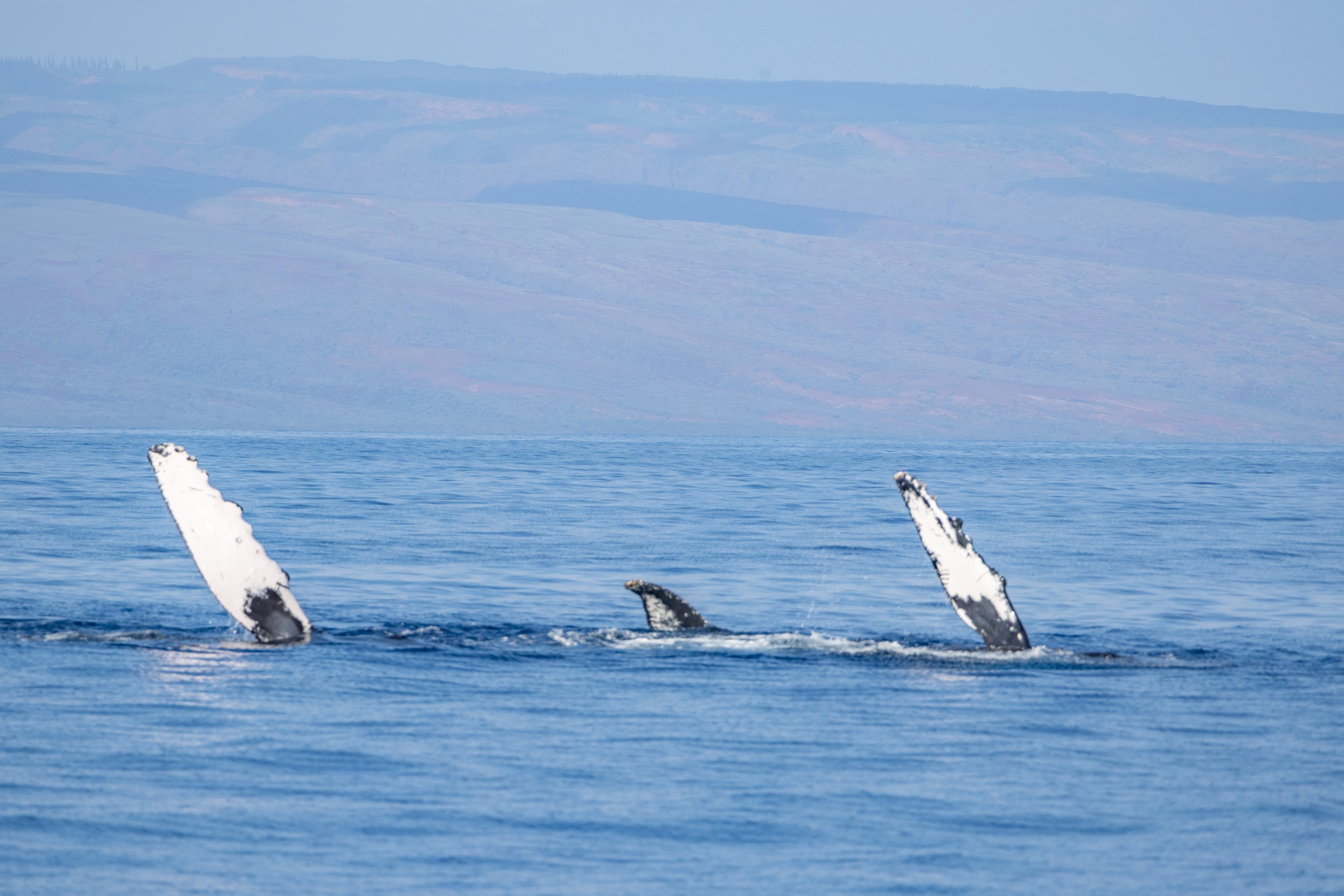
Pectoral Slaps (mid-motion)
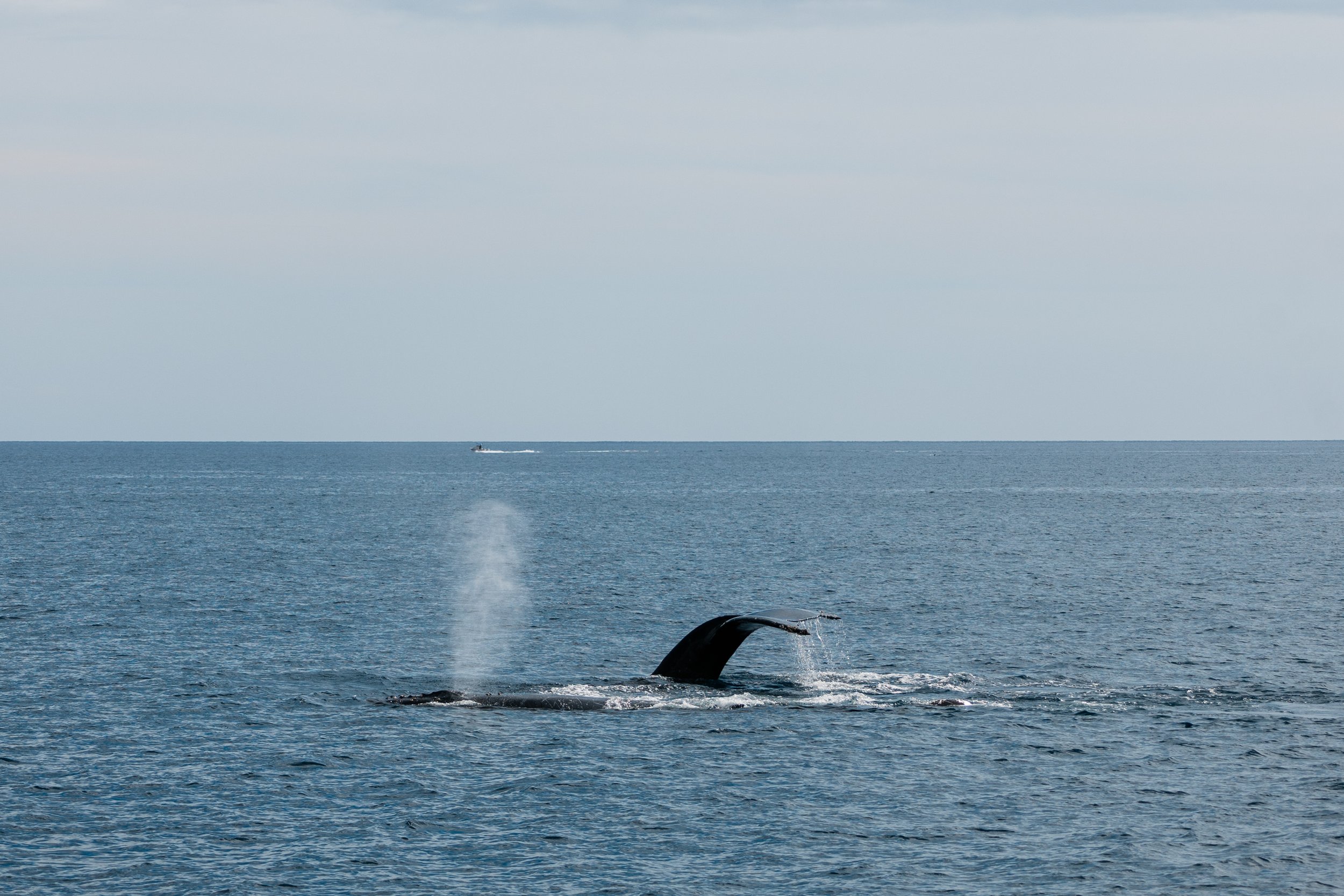
Blows and slow swims
middday
songs & stories beneath the waves
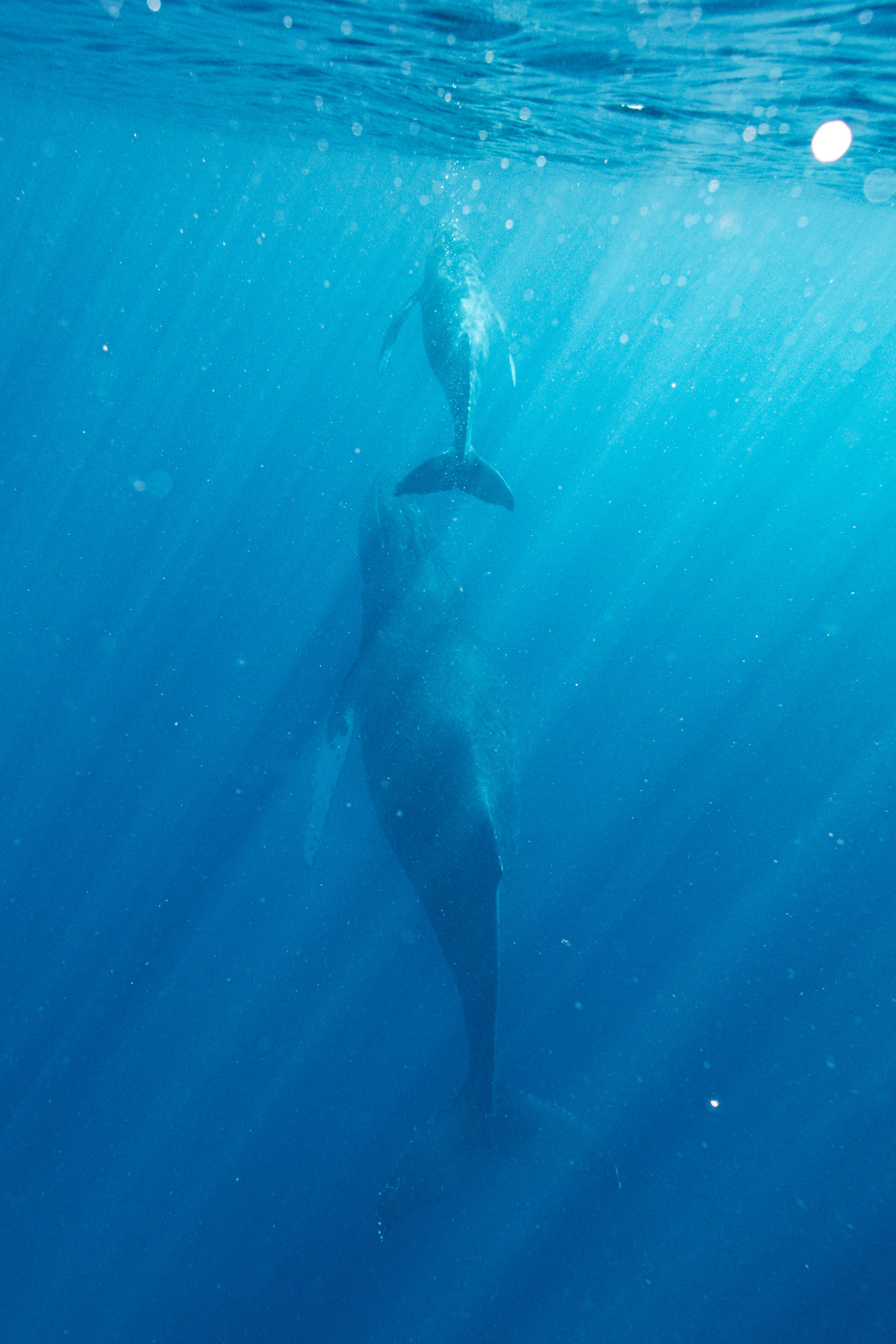
As the sun climbs higher, Koholā drifts into deeper water. If she passes near a singing male, she’ll feel the sound long before she hears it — low-frequency whale songs can travel miles through the ocean. Click here to listen to a few whale songs!
Male humpbacks are the primary singers, producing long, complex songs during the breeding season. These songs follow repeating patterns that can last for minutes at a time and evolve gradually over the course of the winter. Scientists believe singing plays a role in breeding behavior and social communication.
Koholā doesn’t sing, but she lives in a world shaped by sound. As she moves through the channel, she’s navigating a three-dimensional soundscape — songs echoing below, distant blows above, and the subtle acoustics of Maui’s shallow, protected waters surrounding her.
Whether you’re out with Trilogy mid-morning or early afternoon, whales like Koholā are very much active — just often expressing themselves beneath the surface rather than above it, which is why we run early morning and sunset whale watches out of both Ma’alaea Harbor and Ka’anapali Beach!
Afternoon
relaxed rhythms & Family life
By afternoon, Koholā settles into a relaxed rhythm. Unlike summer feeding grounds in Alaska, Maui’s warm waters don’t offer the dense food humpbacks need to eat. During the winter months here, Koholā relies on stored energy, conserving calories while focusing on breeding, calving, and nurturing young.
If she has a calf, much of her afternoon is spent guiding and protecting it — staying in shallow, calm waters where the calf can rest and nurse frequently. Whale calves drink incredibly rich milk and grow fast, sometimes gaining close to 100 pounds a day.
From the surface, guests might notice Koholā lifting a pectoral fin, rolling gently, or showing her flukes during a deeper dive. These aren’t performances — they’re simply the natural movements of a whale moving through her day.
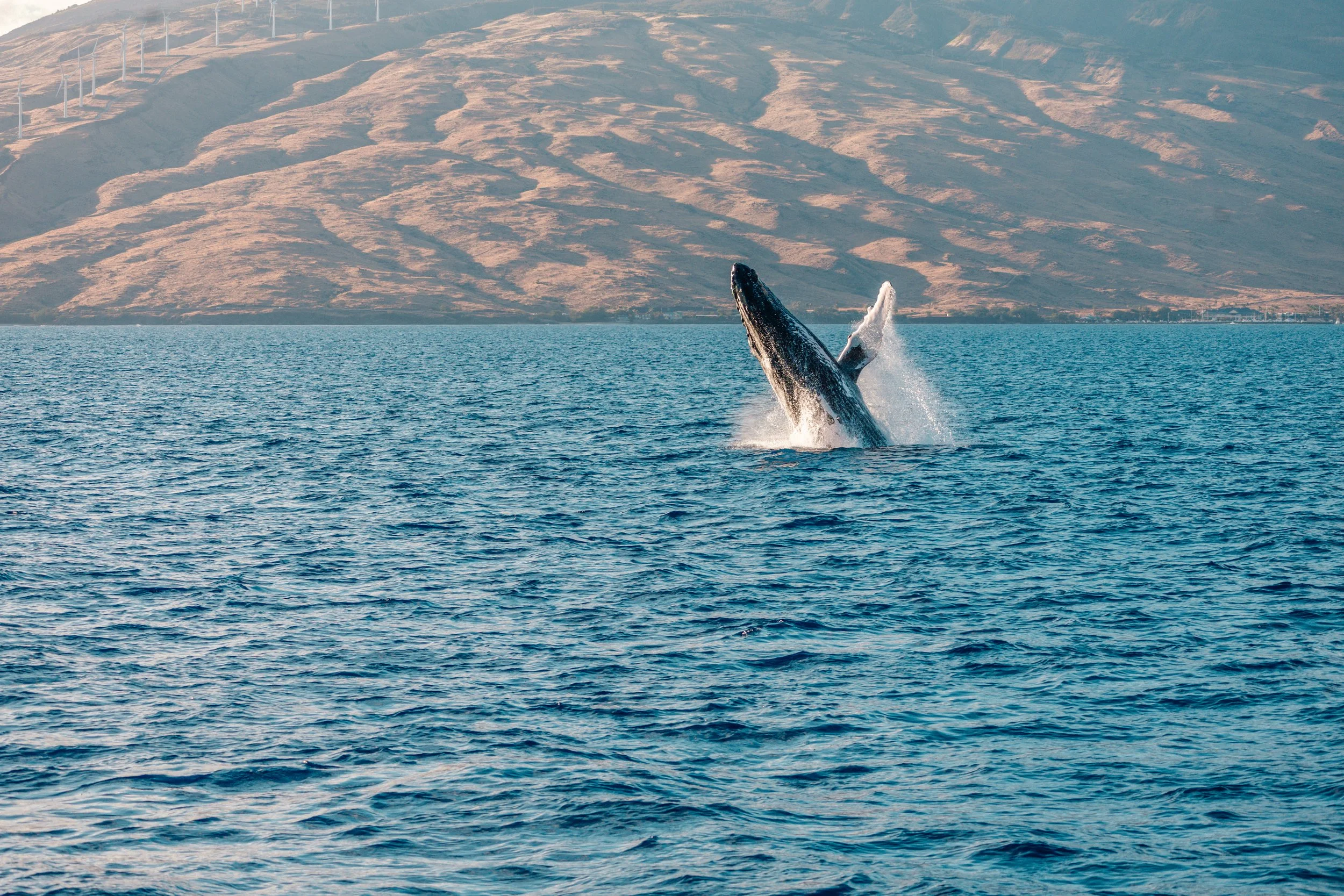
Every now and then, Koholā might breach or slap the water. Sometimes it’s communication. Sometimes it’s social. Sometimes it’s just part of being a whale. The important thing is that none of it follows a schedule — and that’s part of what makes each encounter special.
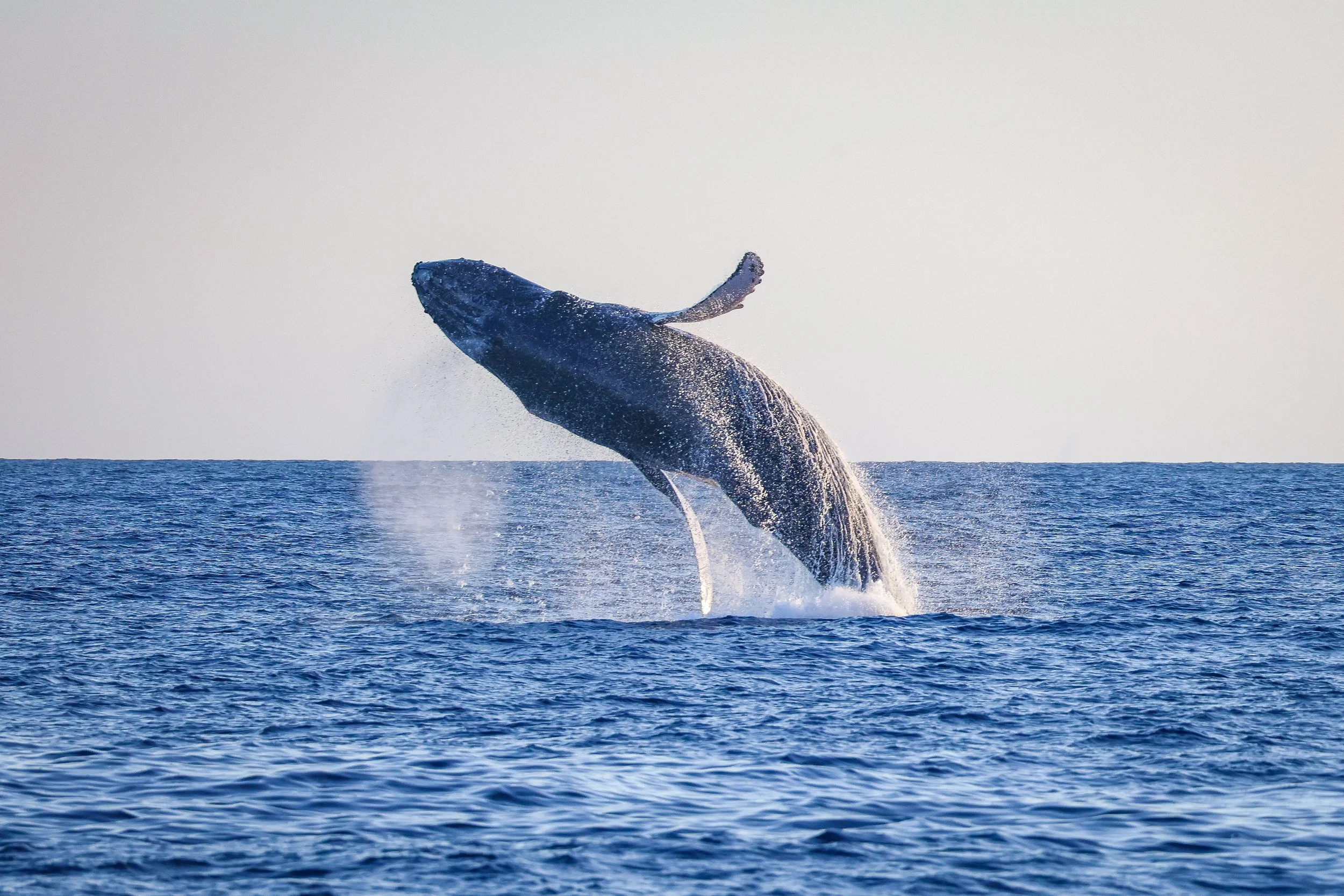
Humpback Whale Breach
evening
Through the golden hours
As the day softens into evening, Koholā gradually shifts again. Research around Maui suggests that whales often move closer to the main channels and nearshore areas later in the day, after spending time offshore.
This is when Trilogy’s sunset sails can feel especially magical. Koholā may surface in glowing light, her breath briefly catching the colors of the sky. Mothers and calves often appear unhurried at this time, resting between short dives. Male singers may return closer from offshore, continuing their songs beneath the boat as the light fades.
A lot of people ask, “What is the best time to see whales?”, but there’s no “better” time to see whales — morning and sunset each reveal different moods of the same living ocean. Koholā’s behavior flows with the day, not the clock.
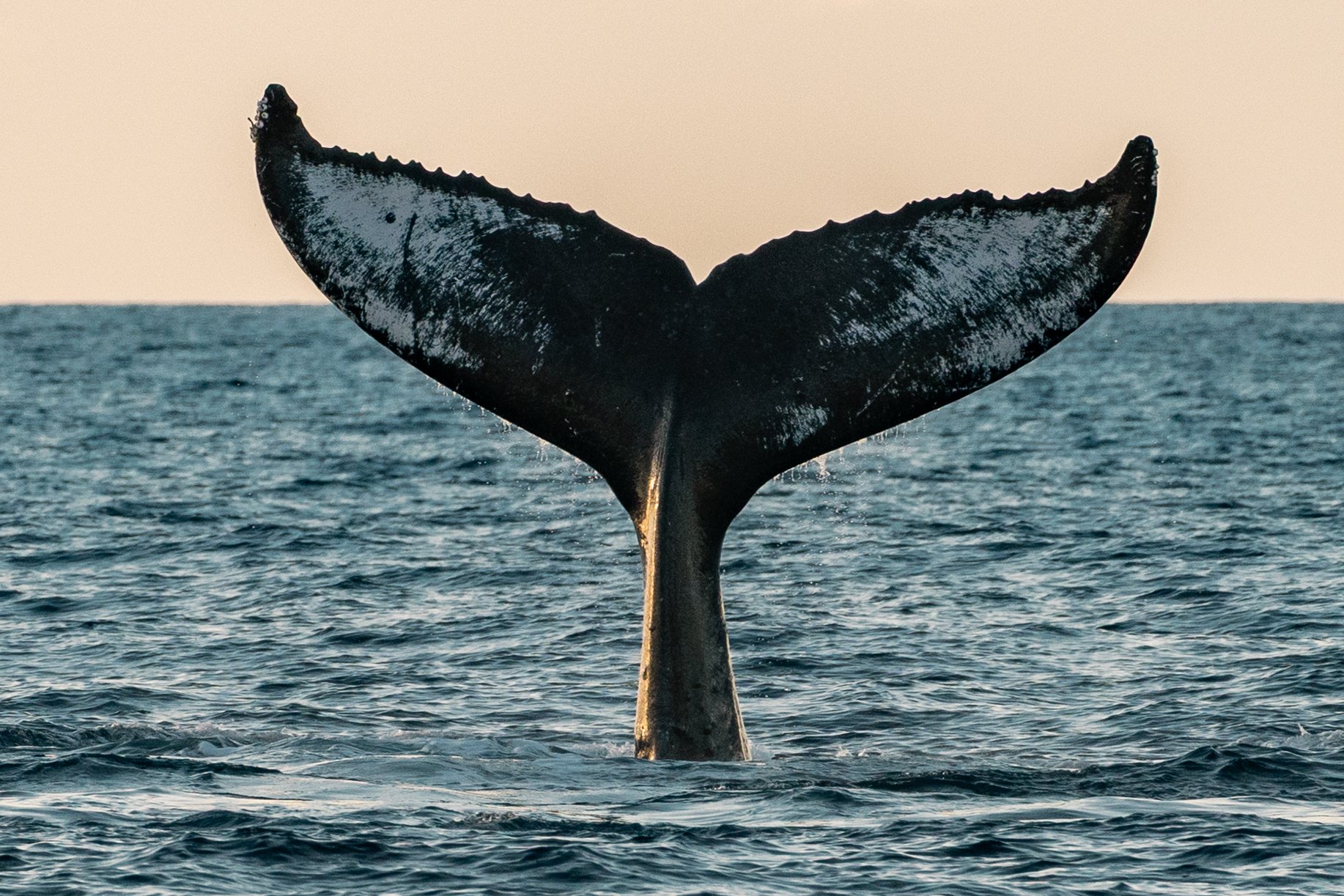
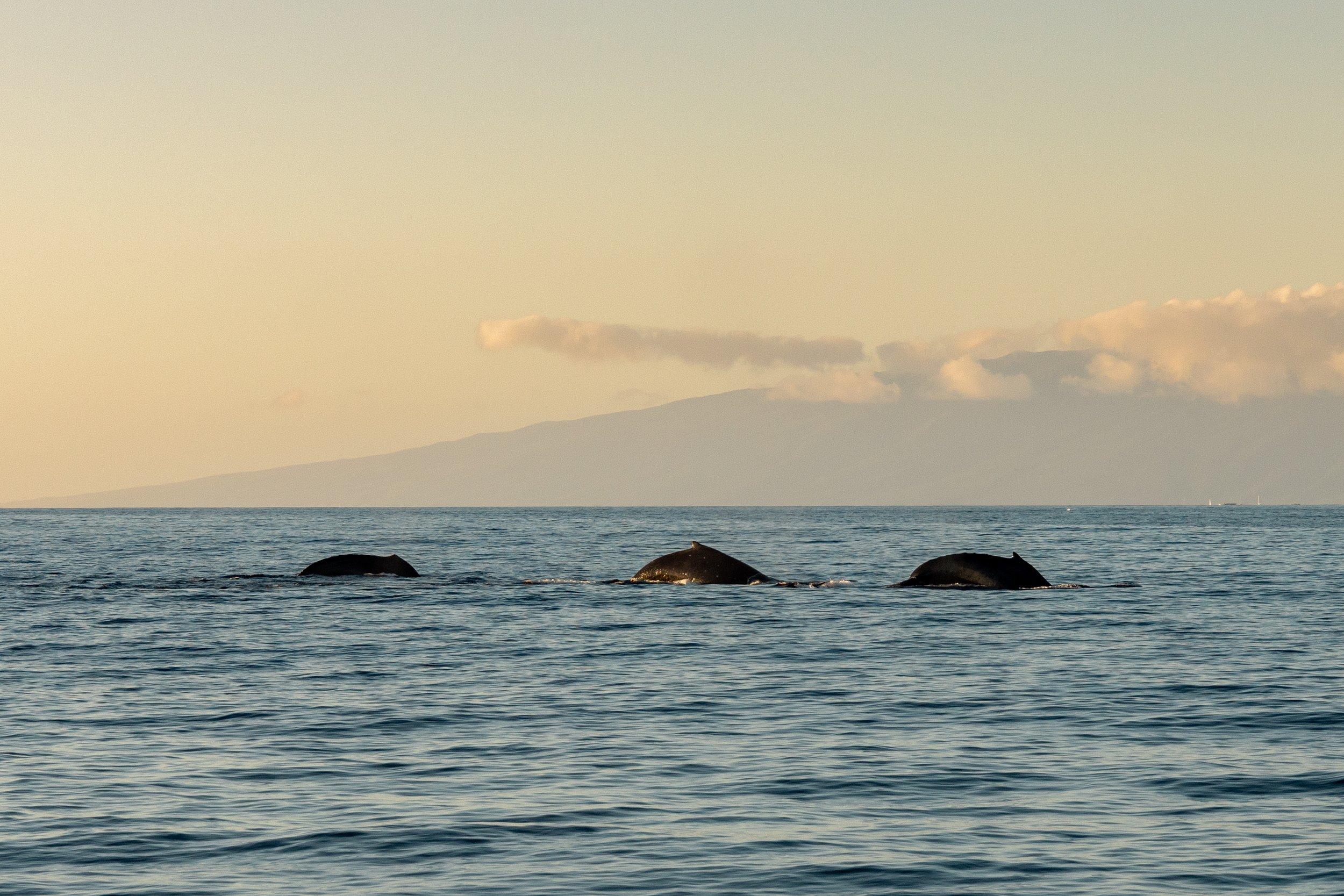
Night
Still moving, still singing
When darkness settles over Maui, Koholā doesn’t disappear. She continues her slow, purposeful movements through the channel, surfacing to breathe, listening to the ocean around her. Songs can continue through the night, carrying far beyond what human ears could ever hear without instruments.
By the time dawn comes again, Koholā will still be here — resting, traveling, nurturing, and preparing for the long journey back to the North Pacific when winter ends.